How the Internet Works: A Guide to Data Centers
Data centers are physical buildings that store and process the digital information that powers the internet. Learn more data center basics in this blog post.
Jun 2, 2026
SHARE
Automate the telecom lifecycle
Get better quotes, launch sites faster, keep inventory accurate, and control spend.
Every time you open TikTok, stream a Netflix show, send a message, or search for something on Google, something incredible happens in the background—and it happens in milliseconds. Your request travels through a complex web of cables, signals, and massive buildings packed with computers, all so the right information can reach your screen almost instantly. Most people have no idea this infrastructure even exists.
For anyone growing up in a connected world, understanding what powers it all, from the data centers storing your favorite content to the cookie pop-ups you mindlessly click through to the surprising environmental costs hiding behind every search, is more important than ever.
What Is a Data Center?
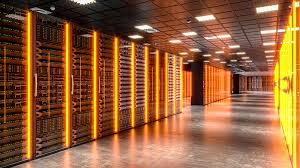
Imagine a warehouse, but instead of boxes, it's packed wall-to-wall with thousands of computers called servers. That's basically a data center. It's a physical building that stores and processes the digital information that powers the internet. Every website, app, streaming service, and online game you've ever used lives on servers inside a data center somewhere in the world.
Data centers don't look like much from the outside. They're often windowless, nondescript buildings in industrial areas. But inside, they're a feat of engineering. To keep all those servers running 24/7, data centers need:
Power systems: multiple backup power sources, including giant batteries and diesel generators, so the servers never go offline
Cooling systems: servers generate enormous amounts of heat, so data centers pump in cold air and use elaborate ventilation systems (and sometimes water) to prevent overheating
Networking equipment: routers, switches, and miles of fiber optic cables that allow the servers to communicate with each other and with the outside world
Security: both physical (locked doors, security cameras, biometric access) and digital (firewalls, encryption)
The biggest data centers on Earth, called hyperscale data centers, are operated by companies like Amazon Web Services, Google, and Microsoft, and can cover over a million square feet. By the end of 2024, there were more than 1,100 hyperscale data centers operating globally.
How Does the Internet Actually Work Through Them?
When you type a web address or hit play on a video, here's what's actually happening:
Your device sends a request:
Your phone or laptop asks for information, say, a YouTube video. That request travels through your home Wi-Fi router to your Internet Service Provider (ISP), the company you pay for internet access.
The request finds its destination:
Using the Domain Name System (DNS), essentially the internet's phone book, your request is translated from a human-readable address (like youtube.com) into a numerical IP address that computers understand. This directs your request to the right data center.
The data center responds:
Servers inside the data center locate the video file, break it into small packets of data, and send them back toward your device through fiber optic cables at the speed of light.
Your device reassembles everything:
The packets arrive and your device stitches them back together into the video you see on screen.
All of this typically happens in under a second. Data centers are connected to each other and to the broader internet through massive underground and undersea fiber optic cables, forming a physical backbone that spans the entire planet. They also connect through Internet Exchange Points (IXPs), hubs where different networks meet and swap traffic, keeping data moving efficiently even when routes are congested.
Internet Concepts You Should Actually Know
Websites toss around terms all the time that most people just click past. Here are a few worth actually understanding.
Cookies
That pop-up asking you to "Accept All Cookies" isn't offering you a snack. It's asking permission to track you. A cookie is a tiny text file that a website saves to your browser when you visit. It remembers who you are, so the site can recognize you next time. There are different kinds:
Session cookies: temporary files that disappear when you close your browser (they're why your shopping cart doesn't vanish mid-session)
Persistent cookies: stick around longer and remember your preferences and login info across visits
Tracking cookies: used by advertisers to follow you around the internet and serve you targeted ads based on what you've been looking at
When you hit "Accept All," you're often giving the green light to that third category. You can usually click "Manage Preferences" to limit which cookies you allow, or use your browser settings to clear them regularly.
Continuously optimize your network
IP Address
Every device connected to the internet has an IP (Internet Protocol) address, a unique string of numbers that works like a home address for your device. It's how data knows where to go when it's sent to you. Your IP address can reveal your general location, which is one reason some people use VPNs.
Cache
Your browser keeps copies of recently visited websites in temporary storage called a cache. When you revisit a page, it loads faster because your device pulls data from the cache instead of downloading everything fresh. That's also why clearing your cache can fix glitchy websites.
Bandwidth
This refers to how much data can travel through your internet connection at once. Think of it like a highway: more lanes (higher bandwidth) means more cars (data) can move at the same time without a traffic jam. When everyone in your house is streaming or gaming simultaneously, you're all competing for the same bandwidth.
The Controversy: Data Centers and Water
Here's where it gets complicated. Data centers are essential, but they're also becoming one of the most resource-hungry industries on the planet, and the growth of artificial intelligence is making the problem much worse.
The cooling problem
All those servers generate massive amounts of heat. To keep them from overheating, many data centers use water-based cooling systems that consume millions of gallons of water every day. Google's thirstiest data center in Iowa alone used about 2.7 million gallons of water per day in 2024.
The scale is staggering
A study found that data centers in Texas alone could use 49 billion gallons of water in 2025, and as much as 399 billion gallons by 2030. AI tools, which require far more computing power than a regular web search, could consume between 312.5 and 764.6 billion liters of water globally in 2025.
They're often built in dry places
Tech companies frequently build data centers in water-stressed areas like Arizona and Virginia because of low costs and favorable tax incentives. In Newton County, Georgia, a single Meta data center put the area on track for a water deficit by 2030.
Energy use is growing fast
U.S. data centers now account for about 4.4% of the country's total electricity consumption, more than double what it was in 2018. In 2024, 40% of that energy came from natural gas, meaning data centers are contributing to carbon emissions at a significant scale.
The communities closest to data centers often bear the biggest costs. Electricity bills in areas near large data centers have risen as much as 267% compared to five years ago, according to one analysis. Meanwhile, the permanent jobs created by these facilities are often relatively few.
The Bottom Line: Powerful Tech, Real Responsibility
The internet and data centers have transformed modern life. They’ve connected billions of people, unlocked instant global communication, enabled remote work, and put vast knowledge within reach. The impact is undeniable.
But this progress comes with a growing footprint. As AI and cloud services expand, so do demands for energy, water, and land—along with rising emissions and pressure on local resources. These costs are often felt by communities far removed from the digital services they support.
Being an informed user goes beyond how we use technology—it includes understanding what powers it. From the data we share to the cookies we accept, small choices add up. And the more we understand the infrastructure behind the internet, the more pressure there is on companies and policymakers to build it more responsibly.
How Data Centers Work and How They Are Changing in Size and Scope
AI’s Cooling Problem: How Data Centers Are Transforming Water Use
AI Data Centers: Big Tech's Impact on Electric Bills, Water, and More
Circular Economy: Here's How Data Center Heat Can Warm Your Home
Green Data Centers: A Practitioner’s Guide To A Sustainable Digital Transformation
Featured Articles
Want to learn more about how Lightyear can help you?
Let us show you the product and discuss specifics on how it might be helpful.
Stay up to date on our product, straight to your inbox every month.