4G Router vs Mobile Hotspot: Enterprise Comparison
4G router or mobile hotspot? Learn the key differences in security, performance, and cost to choose the right connectivity for your business needs.


For businesses that need reliable internet on the go or as a backup, cellular connectivity is a popular choice. Two common solutions for this are 4G routers and mobile hotspots.
While they both use cellular networks to provide an internet connection, they are designed for very different use cases. This article will compare them directly to help you determine the right fit for your enterprise needs.
What is a 4G Router?
A 4G router functions much like a standard office or home router, with one key difference: instead of using a physical cable for an internet connection, it uses a SIM card to connect to a 4G mobile network. It then creates a local network, providing internet access to other devices via Wi-Fi or Ethernet cables.
- Connectivity Options: They typically include multiple Ethernet ports for reliable, wired connections to computers, printers, or point-of-sale systems, alongside Wi-Fi for wireless devices.
- Power Source: Designed for stationary use, these routers plug into a wall outlet for continuous power, making them ideal for a fixed location like a branch office, retail site, or construction trailer.
- Signal Reliability: Many models come with external antennas to improve cellular signal reception, leading to a more stable and consistent internet connection.
- Advanced Features: They often support business-grade networking features, including VPNs, firewalls, and advanced security protocols to protect your business data.
What is a Mobile Hotspot?
A mobile hotspot is a compact, portable device that converts a cellular signal into a private Wi-Fi network. It’s designed for individuals or small teams who need internet access on the move, creating a personal Wi-Fi bubble wherever there is cellular service. Many smartphones also have a built-in hotspot feature that functions similarly.
- Connectivity Options: The primary function is to broadcast a Wi-Fi signal. The vast majority of mobile hotspots do not have Ethernet ports for wired connections.
- Power Source: They run on a built-in, rechargeable battery, making them ideal for temporary use in locations without a power outlet, like a coffee shop or during a commute.
- Portability and Design: These devices are small, lightweight, and built to be carried in a pocket or laptop bag for true on-the-go connectivity.
- Device Capacity: A mobile hotspot is typically designed to support a small number of simultaneous connections, such as a laptop and a tablet.
Key Differences Between 4G Routers and Mobile Hotspots
While both devices get you online using a cellular signal, their designs lead to significant differences in performance, features, and ideal use cases for a business.
Performance and Connection Stability
A 4G router is built for reliability in a fixed location. With features like external antennas to capture a stronger cellular signal and Ethernet ports for stable, wired connections, it delivers more consistent performance for critical business operations.
A mobile hotspot, in contrast, prioritizes portability over peak performance. It relies on smaller, internal antennas and is limited to Wi-Fi, which can be less stable than a wired connection, making it better suited for less demanding, temporary tasks.
Device Capacity and Network Features
4G routers are designed to support more simultaneous users and devices, similar to a traditional office router. They also include advanced networking features essential for business security, such as built-in firewalls, VPN capabilities, and guest network controls.
Mobile hotspots are intended for personal use or very small groups, typically supporting 10-15 devices at most. They offer basic security but lack the robust management and security features of a business-grade router.
Intended Use Case and Power
The most fundamental difference lies in their intended environment. A 4G router requires a constant power source from a wall outlet, making it the clear choice for providing primary or backup internet to a static location like a retail store, pop-up site, or branch office.
A mobile hotspot runs on a rechargeable battery, offering true portability for individuals or teams working on the go. Its purpose is to provide a temporary internet connection away from any fixed infrastructure.
Advantages of Using a 4G Router
For businesses, the choice often comes down to reliability and security. A 4G router excels in several areas that are critical for daily operations, providing a more permanent and robust solution than a temporary hotspot.
- Greater Reliability for Business-Critical Devices: With multiple Ethernet ports, you can create stable, wired connections for essential equipment like point-of-sale systems, VoIP phones, and servers. This minimizes the risk of connection drops that can disrupt sales or communications.
- Robust Security and Control: Business-grade 4G routers come equipped with advanced security features, including firewalls and VPN support. This allows you to protect sensitive company data and manage network access in a way that simple hotspots cannot.
- Supports More Users and Devices: Designed to function as a central network hub, a 4G router can handle a higher number of simultaneous connections without a significant drop in performance. This makes it suitable for small offices or teams.
- Designed for Continuous Operation: Because it plugs into a wall outlet, a 4G router provides a consistent, "always-on" connection. This makes it an excellent solution for primary internet in a fixed location or as an automatic failover backup to keep your business online during an outage.
Benefits of Mobile Hotspots for Enterprises
While a 4G router is built for a fixed location, a mobile hotspot offers unique advantages for a workforce that isn't tied to a desk. For certain business scenarios, their flexibility is a major asset.
- Ultimate Portability for Mobile Teams: Mobile hotspots are perfect for employees who travel frequently, such as sales teams or field technicians. They provide a secure, private Wi-Fi connection in hotels, client offices, or vehicles, which is a much safer alternative to public Wi-Fi.
- Rapid, Temporary Connectivity: Need internet for a one-day event, a trade show booth, or a temporary project site? A mobile hotspot can be deployed instantly without any installation, providing immediate connectivity for a small team and their devices.
- Cost-Effective for Individual Use: Assigning a mobile hotspot to an individual employee is often more budget-friendly than deploying a more powerful router. It's a straightforward way to manage connectivity costs for staff who only need internet access for themselves while on the move.
- Simplicity and Ease of Use: These devices are designed for simplicity. With minimal setup required, any employee can turn one on and connect their devices in moments, without needing technical support from the IT department.
Choosing the Right Device for Your Business Needs
Selecting the right device comes down to a few practical questions about how and where you need internet access. By evaluating your specific operational needs, you can make a clear choice.
1. Assess Your Primary Use Case: Fixed vs. Mobile
Is your goal to provide internet for a stationary location, like a pop-up store or as a backup for your main office? A 4G router is designed for this, offering stable, continuous power and connectivity.
If you need to equip employees who travel or work from various remote sites, a portable mobile hotspot is the more practical tool for on-the-go access.
2. Evaluate Your Device and User Demands
Consider how many people and what types of devices will be connecting. A 4G router is built to handle more simultaneous users and provides Ethernet ports for critical hardware like VoIP phones or POS systems.
A mobile hotspot is better suited for an individual or a very small team connecting just a few wireless devices, like laptops and tablets.
3. Consider Your Security and Networking Needs
If you need to connect to a corporate network via VPN or require advanced security features like a firewall, a business-grade 4G router is the necessary choice.
For general internet access where basic password protection is sufficient, a mobile hotspot provides adequate security for less sensitive tasks.
Making the Right Connectivity Choice for Your Enterprise
Ultimately, the decision between a 4G router and a mobile hotspot comes down to a simple question: where and how will you be working? Both provide valuable cellular connectivity, but they are built for different jobs. Here’s a final summary to guide your choice:
- A 4G router is your solution for a fixed location. Choose it when you need a stable primary or backup internet source for an office, retail site, or remote worksite. Its support for more users, Ethernet connections, and advanced security makes it ideal for business operations.
- A mobile hotspot is your tool for portability. Opt for it when you need to equip traveling employees or set up temporary connectivity at an event. It provides simple, secure internet for individuals or small teams on the move.
Need Help Managing Your Network? Lightyear Can Help
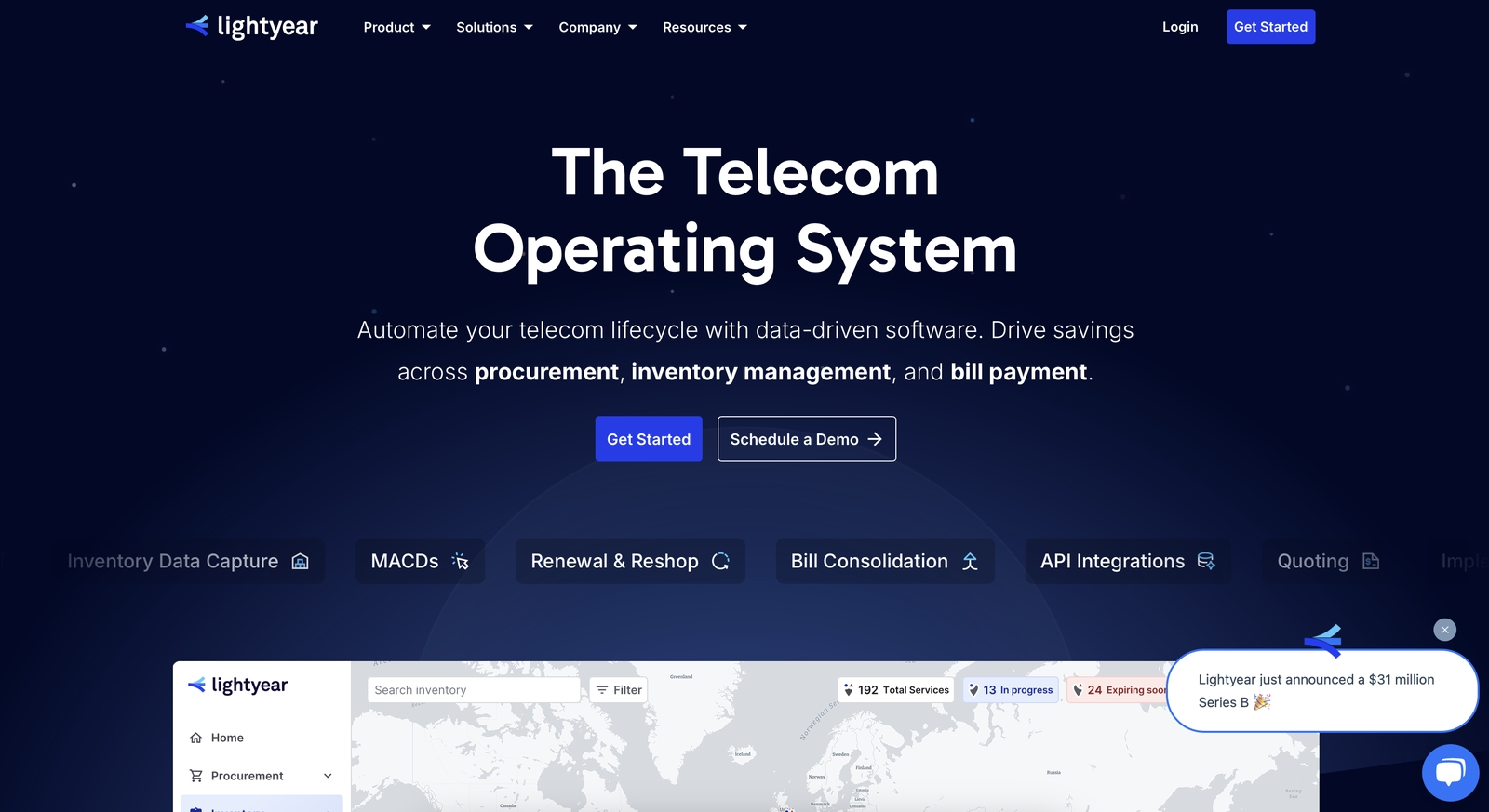
Whether you choose 4G routers or mobile hotspots, managing the underlying connectivity services can be complex. Lightyear automates the entire telecom lifecycle, from procuring the best data plans to tracking your device inventory and consolidating bills.
By automating network service procurement and management, we help hundreds of enterprises save over 20% on costs and reduce administrative time by more than 70%.
Schedule a demo or get started with our questionnaire today.
Frequently Asked Questions about 4G Router vs Mobile Hotspot
Can a smartphone hotspot replace a dedicated mobile hotspot?
For occasional use, a smartphone hotspot works fine. However, a dedicated device offers superior battery life, better signal reception, and supports more connections without impacting your phone's performance, making it a more reliable choice for business tasks.
Do 4G routers and mobile hotspots use the same data plans?
Not always. Data plans are often specific to the device type. Router plans typically offer larger data allowances for continuous use, while hotspot plans are designed for more intermittent, mobile access. Always verify the plan is compatible with your chosen hardware.
Which device is more expensive?
Mobile hotspots generally have a lower upfront hardware cost. The total cost, however, depends on the data plan. A high-capacity plan for a 4G router serving as a primary internet source will likely have a higher monthly cost than a plan for occasional hotspot use.
Can I use a mobile hotspot for primary internet at a small office?
This is not recommended. Mobile hotspots are built for portability and temporary use. They lack the robust security features, wired Ethernet ports, and consistent power source that a 4G router provides for a stable, secure office network.
Let us show you the product and discuss specifics on how it might be helpful.
Schedule a Demo




Revolutionize Your Telecom Experience
Learn how you can get one step closer to optimal business efficiency for all your telecom services.