5G Router vs Fiber: Enterprise Network Solutions
5G router or fiber for your business? This guide compares speed, reliability, and cost to help you choose the right enterprise network solution.

When it comes to enterprise internet, the choice often boils down to two main contenders: 5G and fiber-optic connectivity.
One offers the flexibility of wireless technology, while the other provides the raw speed and reliability of a physical connection. Understanding the distinct advantages and limitations of each is key to making an informed decision for your company's specific needs.
What is a 5G Router?
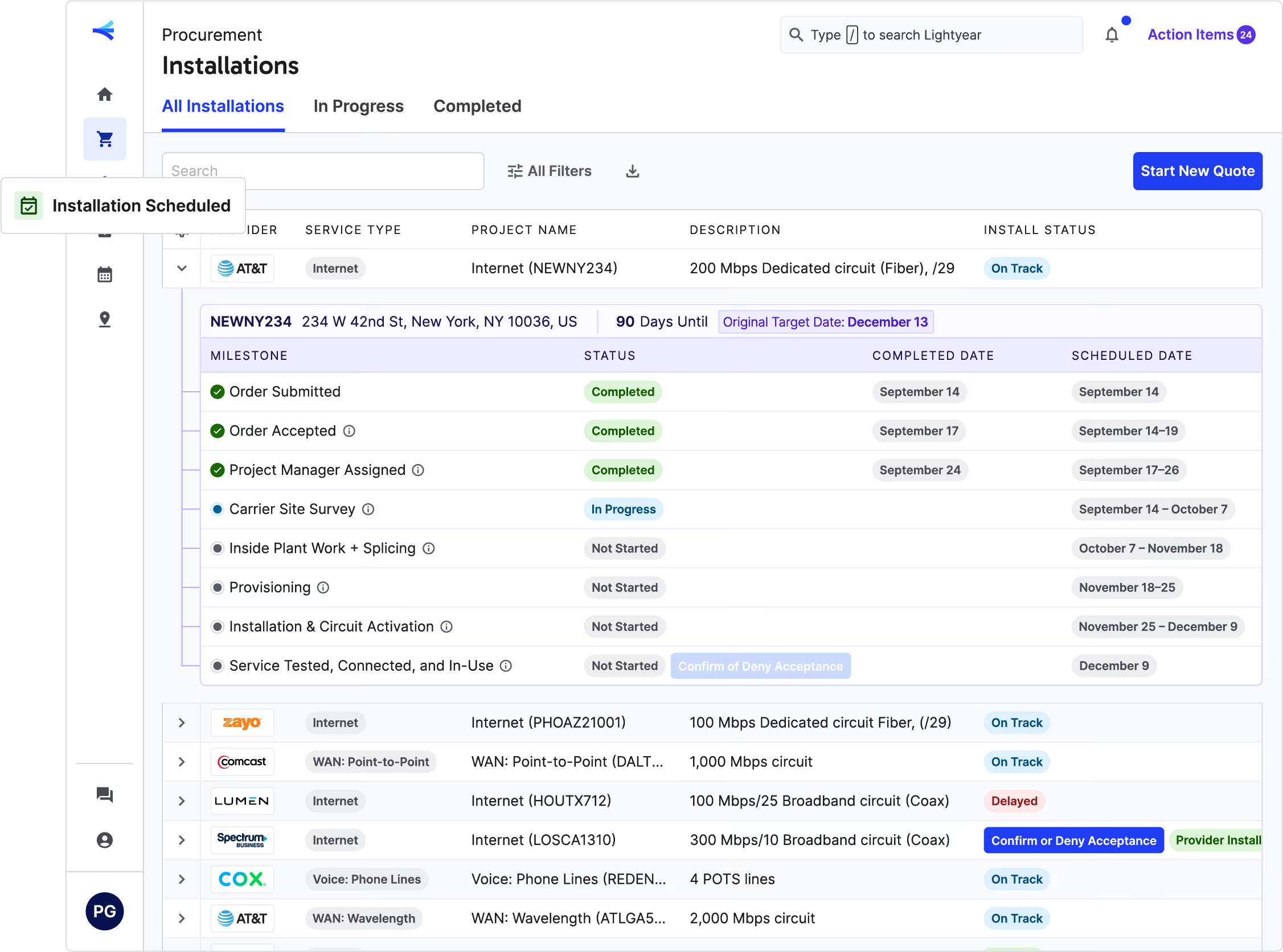
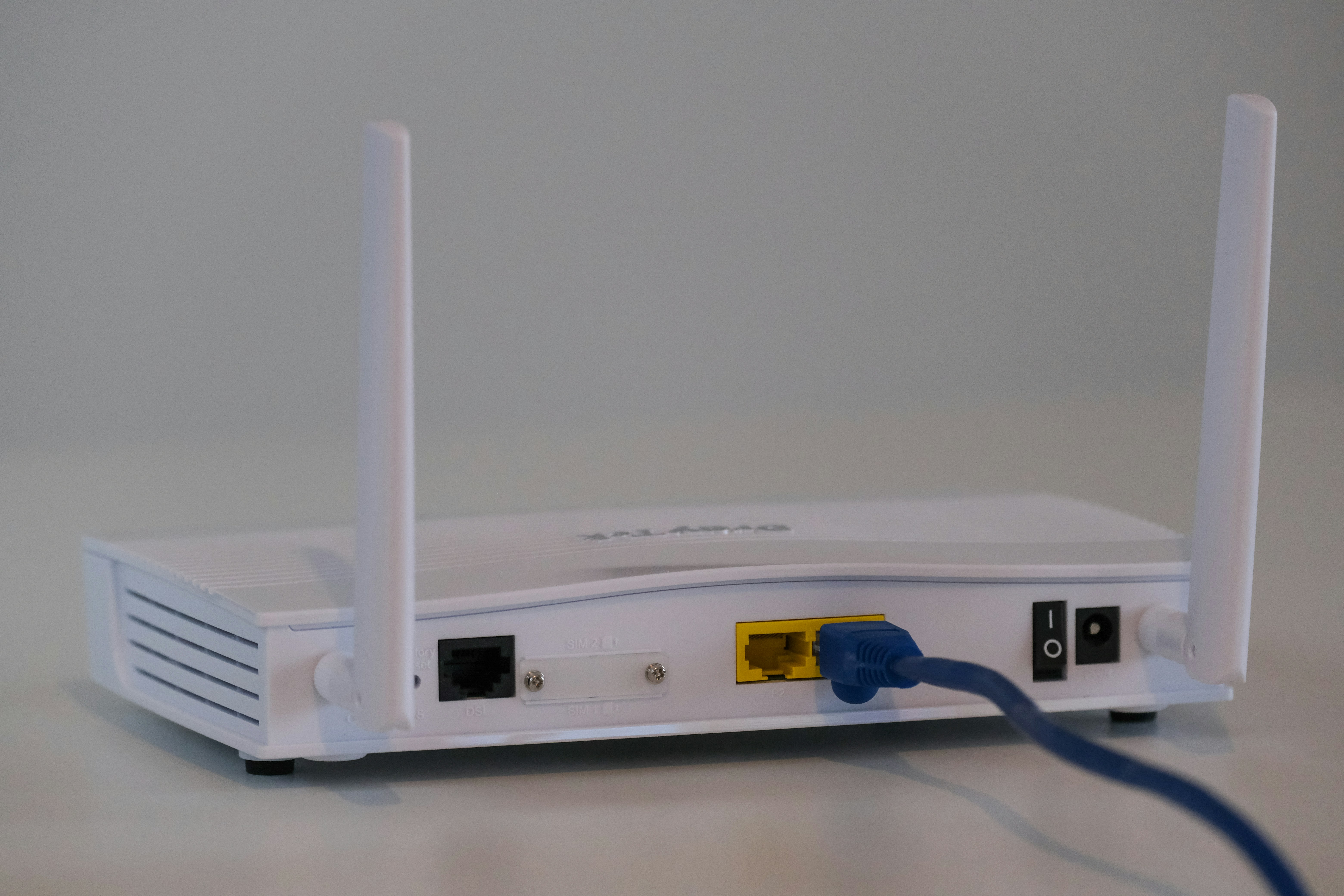
A 5G router is a device that connects to a 5G mobile network to provide internet access for your business. It functions much like your smartphone's hotspot but is designed for more demanding enterprise environments. The router uses a SIM card to receive a 5G signal from a cellular tower and then converts it into a stable Wi-Fi or wired Ethernet connection for your office devices.
- How it works: The router captures the wireless 5G signal and creates a local area network (LAN). This allows multiple devices, from laptops and servers to point-of-sale systems, to connect to the internet.
- Primary or backup connection: Many businesses use 5G as their primary internet source, particularly in locations where wired connections are unavailable or unreliable. It's also a popular choice for a failover solution, automatically taking over if the main wired internet service goes down.
- Rapid deployment: A key benefit is its portability and ease of setup. You can establish a high-speed internet connection for a new site or temporary location almost instantly, without the delays associated with installing physical cables.
What is Fiber Internet?
Fiber internet transmits data using fiber-optic cables. These cables are composed of tiny glass strands that send information as pulses of light, resulting in exceptionally high speeds and a stable connection directly to your business premises.
- How it works: A dedicated fiber-optic line runs directly to your building, creating a physical, high-capacity link to the internet. Unlike older copper cables, fiber is not susceptible to electromagnetic interference, ensuring a clean and consistent signal.
- Symmetrical speeds: A key advantage for businesses is that fiber typically offers symmetrical upload and download speeds. This is vital for operations that send large amounts of data, such as hosting applications, running cloud backups, or conducting high-definition video calls.
- High reliability: The physical, wired nature of the connection makes it highly dependable and less prone to disruptions from weather or signal congestion that can sometimes affect wireless services.
Comparing 5G Routers and Fiber Internet: Speed, Reliability, and Coverage
Let's break down how these two technologies perform in the real world across three key areas.
1. Speed
Fiber internet consistently takes the lead in raw speed, often delivering symmetrical gigabit speeds (1 Gbps) and even scaling up to 10 Gbps or more.
This means your upload speeds are just as fast as your downloads, which is critical for cloud-based applications and video conferencing.
5G also offers impressive speeds that can reach into the gigabit range, but performance can vary.
Factors like your distance from the nearest cell tower, network traffic, and even physical barriers like walls can impact your actual speeds. Unlike fiber, 5G upload speeds are typically slower than download speeds.
2. Reliability
Moving on to reliability, fiber’s dedicated, physical connection gives it a distinct edge.
Because your data travels through a protected cable, it's immune to the signal interference or network congestion that can affect wireless services.
A 5G connection is highly dependable for most business uses, but its wireless nature makes it more susceptible to external factors.
Heavy storms or high user density in an area can sometimes lead to performance dips, a consideration that doesn't apply to a buried fiber-optic line.
3. Coverage
Finally, let's talk about availability. This is where 5G truly shines.
Its wireless infrastructure provides broad coverage that is expanding quickly, making it a viable high-speed option in areas where fiber has not yet been installed.
Fiber availability, on the other hand, is entirely dependent on physical infrastructure. If your building isn't connected to a fiber network, you can't access the service without new construction.
Cost Considerations: 5G Router vs Fiber
When you look at the numbers, the cost structures for 5G and fiber are quite different. Your total investment will depend on both upfront expenses and ongoing monthly fees.
- Upfront Costs: With a 5G router, the primary initial expense is the hardware itself. For fiber, the major cost is installation. If your building isn't already wired for fiber, construction fees to bring the cable to your premises can be substantial. However, if the building is "lit" (pre-wired), installation costs can be minimal.
- Monthly Subscription: Fiber plans are typically priced at a flat monthly rate for a set symmetrical speed, making your bill predictable. 5G service plans often resemble mobile data plans, sometimes with data caps or throttling after a certain usage limit. This can make budgeting more difficult if your data consumption varies.
- Cost vs. Performance: On a per-megabit basis, fiber generally offers more bang for your buck, providing higher, more consistent speeds for a fixed price. 5G provides strong value for its flexibility and as a powerful backup, but heavy, consistent usage may make it more expensive than a comparable fiber connection.
Installation and Maintenance: 5G Router vs Fiber
Getting your internet service up and running involves different steps for each technology, and so does keeping it in top shape.
- 5G Router: Installation is as simple as it gets. A 5G router is essentially a plug-and-play device. Once you have the hardware and an active SIM card, you can establish a connection in minutes without needing a technician on-site. Ongoing maintenance is also light, typically limited to automated firmware updates or a simple device replacement if a hardware issue arises.
- Fiber Internet: Fiber requires a professional installation process that must be scheduled with your provider. A technician will run the physical cable to your building and connect it to your internal network hardware. This can take weeks or even months to complete. After installation, maintenance is managed by the provider; however, any physical damage to the line, such as from nearby construction, can lead to significant downtime and require complex repairs.
Security Features: 5G Router vs Fiber
When it comes to security, the physical nature of fiber and the wireless nature of 5G create different considerations. Both can be made highly secure, but the potential vulnerabilities and defense strategies differ significantly.
- 5G Router Security: As a wireless technology, 5G transmits data over public airwaves. Its security relies on the strong, built-in encryption of the mobile network and the features of the router hardware. This places more responsibility on your team to properly configure the device with a robust firewall, strong passwords, and regular firmware updates to protect against threats. The connection is as secure as the weakest link in this chain.
- Fiber Internet Security: Fiber is inherently secure from a transmission standpoint. The connection is a physical, closed line running directly to your business, not a shared public medium. Tapping into a fiber-optic cable is incredibly difficult, requires specialized equipment, and often causes a detectable service disruption. This makes data interception highly unlikely. For fiber, the security focus shifts from the connection itself to protecting the network endpoints—your company's servers and firewalls.
Making the Right Choice for Your Enterprise
Choosing between a 5G router and fiber internet comes down to your specific operational needs, not which technology is inherently better.
If your business depends on maximum speed and reliability for data-heavy applications, a dedicated fiber connection is the gold standard. Its symmetrical speeds and stability are unmatched for primary connectivity, provided it's available at your location.
Conversely, a 5G router excels where flexibility and rapid deployment are key. It's an ideal solution for new sites, temporary locations, or as a primary link where fiber isn't an option.
Ultimately, the optimal strategy for many enterprises is to use both. Pairing a primary fiber line with a 5G router for automatic failover creates a resilient network that combines high performance with reliable business continuity.
Need Help Managing Your Network? Lightyear Can Help
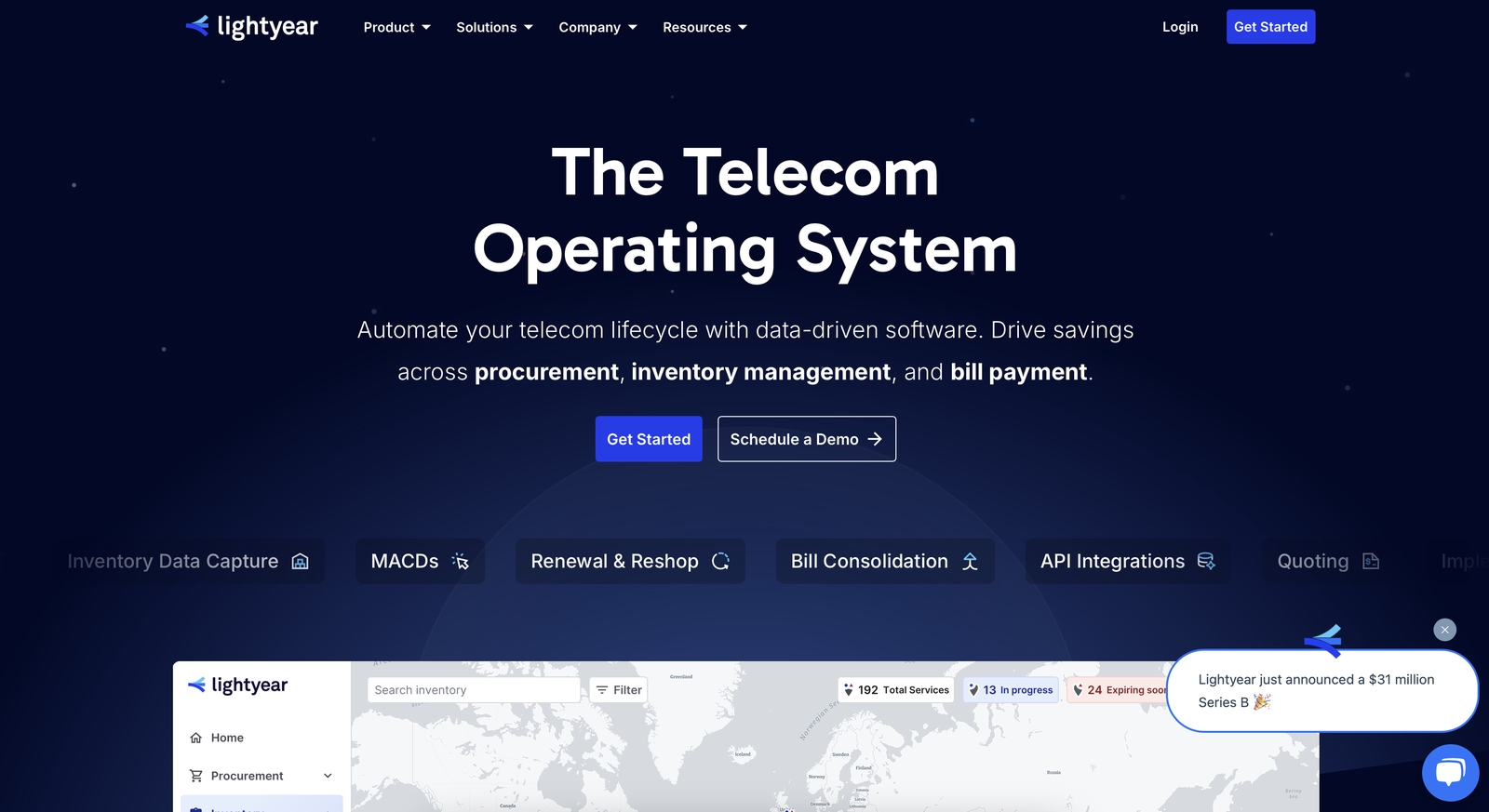
Whether you land on 5G, fiber, or a hybrid strategy, Lightyear’s platform simplifies the entire process from procurement to payment.
By automating network service procurement, inventory management, and bill consolidation, Lightyear helps enterprises achieve 70%+ time savings and 20%+ cost savings on their network services.
Schedule a demo or get started with our questionnaire today.
Frequently Asked Questions about 5G Router vs Fiber
How does latency differ between 5G and fiber?
Fiber offers ultra-low latency, often under 10 milliseconds, which is ideal for real-time applications. 5G latency is also low but generally higher than fiber, typically ranging from 20-50ms. This difference can be important for activities like high-frequency trading or interactive cloud services.
Can 5G fully replace a fiber connection for a large office?
While 5G is powerful, it's often better as a backup or for smaller sites. For a large office with high-density usage and critical applications, fiber's dedicated bandwidth and superior reliability generally make it the more appropriate primary connection.
Which is better for supporting a mobile or remote workforce?
5G is excellent for mobile workforces, providing high-speed connectivity on the go. For remote employees working from a fixed home office, a stable fiber connection is typically preferred for its consistent performance and reliability for video calls and cloud access.
How does scalability compare?
Scaling fiber involves a scheduled upgrade with your provider to increase your bandwidth tier. Scaling with 5G can be simpler, sometimes just requiring a plan change, but you are ultimately limited by the capacity and performance of the local cell tower.
Let us show you the product and discuss specifics on how it might be helpful.
Schedule a Demo




Revolutionize Your Telecom Experience
Learn how you can get one step closer to optimal business efficiency for all your telecom services.