5G Router vs Mobile Hotspot: Enterprise Comparison
Choosing between a 5G router and a mobile hotspot for your business? Learn the key differences in performance, security, and use cases for your team.

For businesses today, reliable and fast internet isn't just a nice-to-have; it's essential for daily operations. With the expansion of 5G networks, two popular solutions for providing this connectivity are 5G routers and mobile hotspots.
While both can deliver high-speed wireless internet, they are designed for different use cases, especially within an enterprise setting. This article will compare them directly to help you decide which is the right fit for your business's needs.
What is a 5G Router?
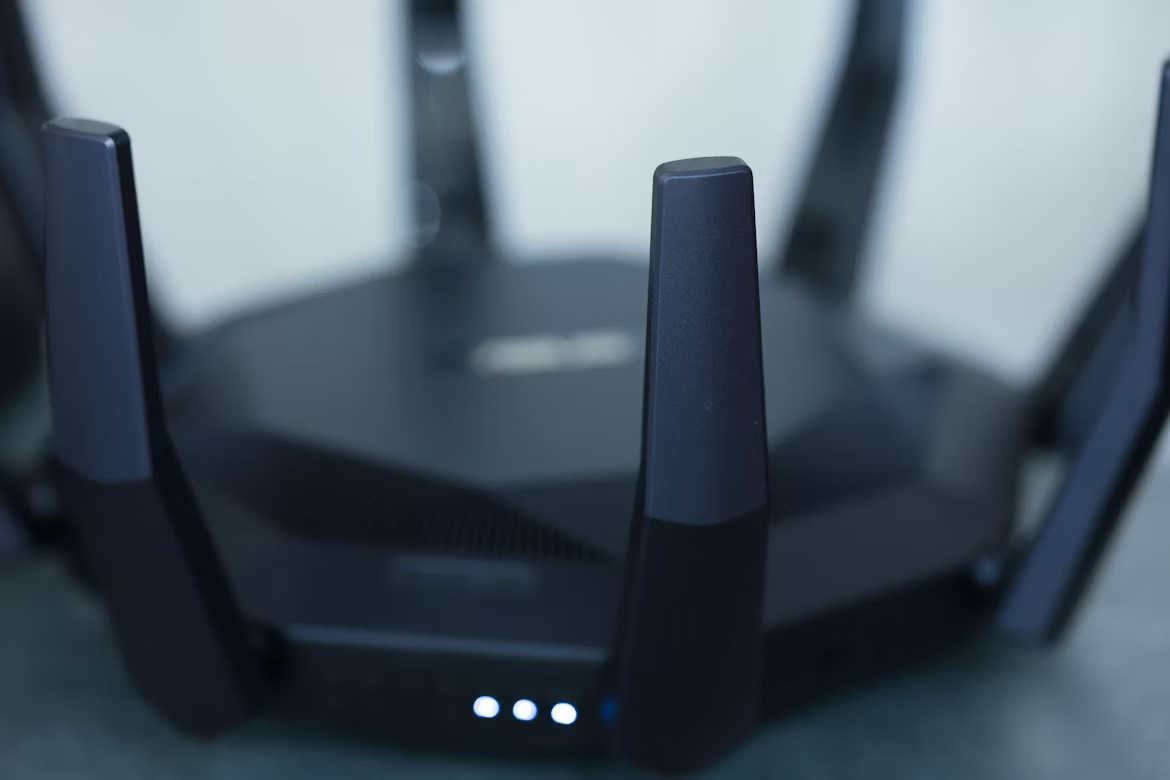
A 5G router is a device that connects to a 5G cellular network to provide internet access to other devices. Think of it as a traditional office or home router, but instead of plugging into a cable or fiber line, it uses a SIM card to get its internet connection from a mobile carrier. It's designed to be a stable, stationary internet source for a fixed location, such as a branch office, retail store, or remote worksite.
Key characteristics generally include:
- Multiple Connections: It can support many devices at once through both Wi-Fi and physical Ethernet ports, which is essential for an office setting.
- Stationary Use: It requires a constant power source from a wall outlet and is built to provide continuous, reliable connectivity from one spot.
- Advanced Networking: These routers often come with business-focused features like VPN support, robust security protocols, and network management options.
- Stronger Signal: With more powerful internal components and antennas, they offer a wider coverage area and a more stable connection than portable options.
What is a Mobile Hotspot?
A mobile hotspot is a compact, portable device that converts a 5G or 4G LTE cellular signal into a private Wi-Fi network. Unlike a router meant for a fixed location, a hotspot is designed for connectivity on the move, making it a pocket-sized internet source for individuals or small teams who need access away from the office.
Its primary characteristics include:
- High Portability: The main advantage is its small size and built-in battery, allowing you to create a Wi-Fi network from almost anywhere—a car, a hotel, or a client site.
- Limited Device Support: Mobile hotspots are typically designed to connect a handful of devices simultaneously, usually fewer than 10.
- Simple Operation: They are built for ease of use, often with a simple on/off function and basic password protection, lacking the advanced security and management features of an enterprise router.
- Battery Dependent: Since they run on a battery, their operational time is limited and requires regular recharging, making them less suitable for continuous, 24/7 use.
Key Differences Between 5G Routers and Mobile Hotspots
While both devices use 5G to create a Wi-Fi signal, their design and capabilities lead to significant differences in how they function in a business environment.
1. Use Case and Portability
A 5G router is built for a fixed location, acting as the primary or backup internet source for an entire office or retail site. It requires a constant power supply to operate.
In contrast, a mobile hotspot is designed for portability. Its internal battery makes it ideal for providing internet access on the go for individuals or small teams away from a primary worksite.
2. Performance and Connection Stability
5G routers typically have larger, more powerful antennas that provide a stronger, more stable signal and wider Wi-Fi coverage. They are engineered for continuous, 24/7 operation without performance degradation.
Mobile hotspots have smaller internal antennas and are subject to battery life limitations. This makes their connection less robust and not suited for permanent, always-on business needs.
3. Device Capacity and Physical Ports
A key distinction is that 5G routers are equipped with Ethernet ports, allowing for wired connections to critical hardware like servers or desktop computers. They can also support a high number of simultaneous Wi-Fi users.
Mobile hotspots are almost always Wi-Fi only and are built to handle a much smaller number of connected devices, typically fewer than 15.
4. Security and Network Management
Enterprise-grade 5G routers include advanced security features such as built-in firewalls, VPN support, and detailed network management controls. This gives IT teams granular control over network traffic and access.
Mobile hotspots offer basic security, usually just password protection, and lack the sophisticated management tools needed to secure a corporate network properly.
Benefits of Using a 5G Router for Enterprises
For businesses, a 5G router offers more than just a strong connection; it provides strategic advantages for network reliability and growth. Its design as a fixed networking solution makes it ideal for several enterprise scenarios.
- Business Continuity: It can act as a dependable failover internet source. If your primary wired connection goes down, the 5G router can automatically take over, keeping critical systems like payment terminals and VoIP phones online without interruption.
- Rapid Site Deployment: A 5G router allows you to get new locations connected quickly. Instead of waiting weeks for a traditional ISP installation, you can bring a new branch office, retail store, or construction site online in a matter of days.
- Wired and Wireless Flexibility: The inclusion of Ethernet ports is a major benefit. It allows you to establish stable, wired connections for essential hardware like servers, desktop computers, and POS systems that need consistent performance.
- Centralized Security and Management: These routers come with corporate-grade security features. IT teams can implement VPNs, manage traffic, and enforce security policies, giving them the control needed to protect the company network.
Advantages of Mobile Hotspots for Business Use
While a 5G router excels as a fixed networking hub, a mobile hotspot offers its own set of advantages, particularly for a workforce that isn't tied to a single location. Their value lies in providing targeted, on-demand connectivity.
- Connectivity for Mobile Roles: Their compact, battery-powered design is perfect for employees who travel frequently or work in the field. Sales teams, remote technicians, and executives can maintain a secure, private connection from anywhere without relying on public Wi-Fi.
- Instant Internet for Temporary Needs: Mobile hotspots are ideal for situations requiring short-term internet access. This includes client presentations, off-site meetings, trade show booths, or temporary project sites where installing a permanent connection is not practical.
- Simplicity and Ease of Use: Hotspots are designed to be straightforward. They can be given to any employee, regardless of technical skill, allowing them to get online quickly without needing direct IT intervention for setup or configuration.
- Dedicated Access for Individuals: Assigning a hotspot to an individual provides a dedicated internet connection for their work devices. This can improve productivity for key remote employees by ensuring they have reliable access separate from their home network.
Cost Considerations: 5G Router vs Mobile Hotspot
When looking at the budget, it's helpful to consider the total cost, not just the price tag on the device. The true expense includes the hardware, the monthly data plan, and the value each device brings to your operations.
- Hardware Cost: 5G routers have a higher upfront hardware cost. This is because they contain more powerful components, more antennas, and physical Ethernet ports for business-critical functions. Mobile hotspots are significantly less expensive to purchase initially due to their simpler, more compact design.
- Data Plans: Data plans for 5G routers are built for heavy, continuous use and often come with larger data allowances or even unlimited options suitable for an entire office. Mobile hotspot plans are typically designed for individual use, with lower data caps, and are billed on a per-device basis.
- Total Cost of Ownership: The investment in a 5G router is often justified by its role in business continuity, where it can prevent costly downtime by serving as a reliable failover connection. The cost of a mobile hotspot is measured by the productivity it provides for individual employees working away from the office.
Making the Right Choice for Your Enterprise
Choosing between a 5G router and a mobile hotspot comes down to a simple question: are you connecting a fixed location or people on the move?
A 5G router is the correct tool for providing stable internet to a site. It’s designed to support an entire office or retail location, acting as a primary or failover connection that can handle many users and wired devices with corporate-grade security.
In contrast, a mobile hotspot is built for portability and individual use. It’s the ideal solution for employees who travel or need temporary connectivity for a small group away from a primary worksite.
Your decision should be based on the application. If you need to connect a building or a permanent site, choose a router. If you need to give your team internet access in the field, a mobile hotspot is the better fit.
Need Help Managing Your Network? Lightyear Can Help
Whether you choose 5G routers or mobile hotspots, managing the procurement and billing for those services adds another layer of complexity. By automating network service procurement, inventory management, and bill consolidation, Lightyear removes the pain from telecom infrastructure management.
The hundreds of enterprises who trust Lightyear achieve 70%+ time savings and 20%+ cost savings on their network services. Schedule a demo or get started with our questionnaire today.
Frequently Asked Questions about 5G Router vs Mobile Hotspot
Can I use a mobile hotspot as a permanent internet solution for a small office?
It's not recommended. Hotspots are battery-dependent and lack the robust security and management features of a 5G router, making them less reliable and secure for continuous business operations.
Do 5G routers and mobile hotspots use the same data plans?
Typically, no. 5G router plans are built for heavy, continuous data use suitable for an entire site. Mobile hotspot plans usually have lower data caps and are designed for individual, on-the-go use.
Is the speed different between a 5G router and a 5G hotspot?
While both can access high 5G speeds, a router's performance is more consistent. Its larger antennas and stable power source provide a stronger signal, whereas a hotspot's performance can fluctuate with battery life and movement.
Can a 5G router work for a mobile business like a food truck?
Yes, it can be a good fit if the business is stationary for extended periods and needs to connect devices like POS systems. The key requirement is a constant power source, which must be available in the mobile setup.
Let us show you the product and discuss specifics on how it might be helpful.
Schedule a Demo





Revolutionize Your Telecom Experience
Learn how you can get one step closer to optimal business efficiency for all your telecom services.