Active Ethernet vs PON: Enterprise Network Solutions Comparison
Active Ethernet vs. PON: Learn the key differences in performance, cost, and scalability to find the right network solution for your enterprise.

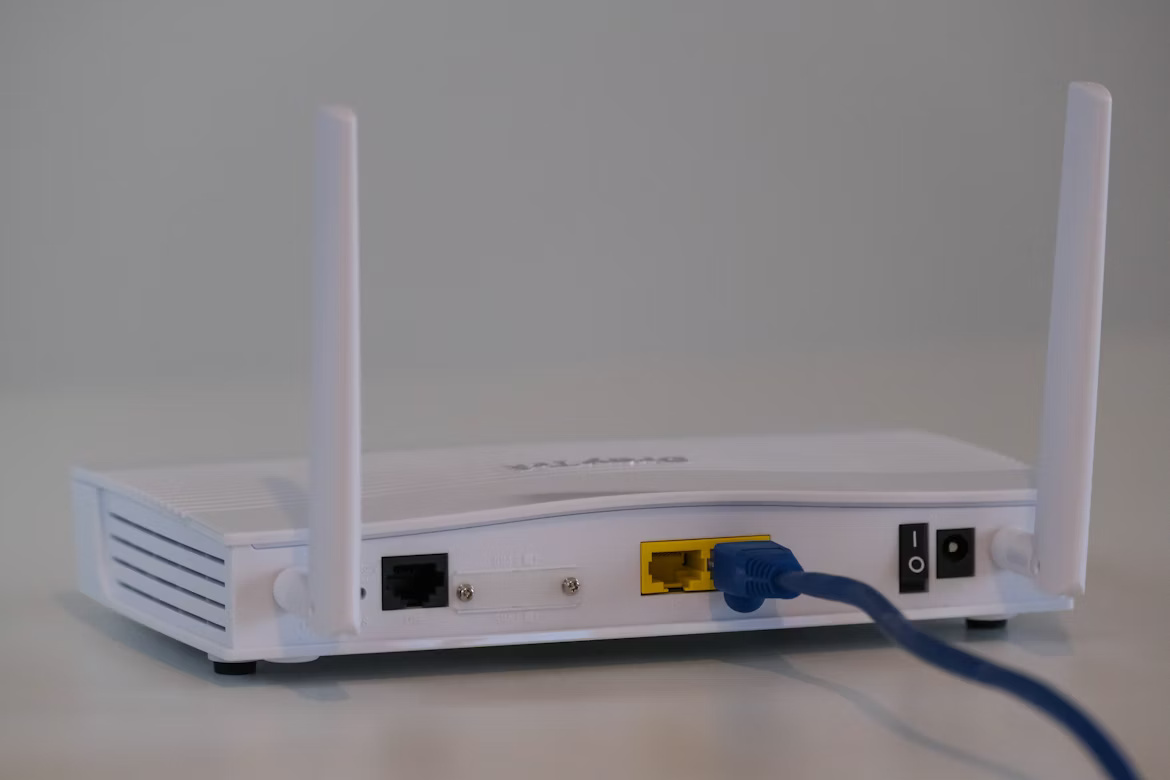
Choosing the right network infrastructure is a critical decision for any enterprise. When evaluating fiber optic connectivity, two primary architectures typically enter the conversation: Active Ethernet and Passive Optical Network (PON).
While both deliver high-speed internet over fiber, their underlying structures are quite different. These differences directly impact performance, scalability, and cost for your business.
This guide offers a straightforward comparison of Active Ethernet and PON, helping you determine which solution aligns with your organization's technical and financial requirements.
What is Active Ethernet?
Active Ethernet provides a dedicated, point-to-point fiber optic connection from the service provider directly to your business. This architecture is straightforward: you get a private fiber line that isn't shared with any other customers, ensuring your bandwidth is exclusively yours.
The "active" component refers to the powered switching equipment required at both the provider's central office and the customer's location to direct and manage data traffic. This setup creates a direct, managed link for your services.
- Dedicated Connection: Each user receives a private fiber strand, which means performance is consistent and not impacted by other users on the network.
- Symmetrical Speeds: It offers identical upload and download speeds, a key advantage for businesses that frequently upload large files, use VoIP, or host applications.
- Simple Architecture: The point-to-point nature makes troubleshooting and management relatively simple, as the connection path is direct and uncomplicated.
What is Passive Optical Network (PON)?
A Passive Optical Network (PON) uses a point-to-multipoint architecture, where a single fiber optic line from the service provider is split to serve multiple end-users. This creates a shared network environment.
The "passive" in its name comes from the use of unpowered optical splitters to divide the fiber optic signal. These splitters don't require electricity, which simplifies the network infrastructure between the provider and the customer.
- Shared Architecture: Bandwidth on the main fiber line is distributed among all users connected to it, which can affect performance based on collective usage.
- Passive Components: The network relies on unpowered splitters, reducing potential points of electrical failure and lowering operational costs.
- Asymmetrical Speeds: PON services typically offer higher download speeds than upload speeds, which is suitable for many use cases but can be a limitation for businesses with heavy upload requirements.
Active Ethernet vs PON: Key Differences
The core distinctions between these technologies come down to their fundamental architecture and how they manage data traffic. These differences directly influence how each service operates.
1. Bandwidth Allocation
Active Ethernet provides a dedicated, uncontended bandwidth pipe. The speed you subscribe to is exclusively yours, ensuring consistent performance because you are not sharing the connection with other businesses.
PON operates on a shared model. The total bandwidth of the main fiber is divided among all users, so individual speeds can fluctuate based on collective network usage.
2. Network Equipment
An Active Ethernet circuit requires powered electrical equipment, like a switch, at both the provider's office and on your premises. This hardware actively directs traffic to your location.
PON minimizes active components in the field. It uses unpowered optical splitters to distribute the signal from a single fiber, simplifying the infrastructure between the provider and the customer.
3. Data Security
The point-to-point nature of Active Ethernet offers strong inherent security. Your data travels on a private, isolated line, completely separate from other subscribers' traffic.
In a PON architecture, data for all users on a shared fiber is broadcast downstream. Although this traffic is encrypted for privacy, the shared medium is a key architectural difference from a dedicated link.
Cost Considerations for Active Ethernet and PON
When it comes to budget, the financial models for Active Ethernet and PON are fundamentally different. The primary driver of cost is the dedicated versus shared nature of the infrastructure, which directly impacts both initial setup and ongoing expenses.
- Active Ethernet: This option generally comes with a higher monthly price tag. You are paying for a private, dedicated line and the active equipment needed to manage it. The cost reflects the guaranteed, uncontended bandwidth you receive.
- PON: This architecture typically offers a lower cost of entry. Since the fiber infrastructure and bandwidth are shared among multiple businesses, the provider can offer more competitive pricing. The use of passive, unpowered splitters also reduces operational expenses, a saving often passed on to the customer.
Performance and Scalability: Active Ethernet vs PON
Performance and scalability are where the architectural differences between Active Ethernet and PON become most apparent in day-to-day operations and future planning.
1. Performance
Active Ethernet’s dedicated connection delivers predictable, consistent performance. With symmetrical upload and download speeds, it reliably supports demanding applications like VoIP, large data transfers, and cloud services without slowdowns caused by other users.
PON performance can be more variable. Because bandwidth is shared, your connection speed may fluctuate depending on how much your neighbors are using the network. The typically lower upload speeds can also be a bottleneck for businesses with heavy upload requirements.
2. Scalability
Scaling an Active Ethernet connection is generally straightforward. Upgrading your bandwidth is often a simple configuration change from the provider, allowing you to easily increase capacity as your business grows, often up to 10 Gbps or more on the same line.
With PON, scalability can be more constrained. Increasing your speed is subject to the total capacity available on the shared fiber line. A significant upgrade might require more complex network changes from the provider, potentially impacting other users on the same PON.
Installation and Maintenance: Active Ethernet vs PON
The process of getting your service up and running, and keeping it that way, also differs between the two technologies. Here’s how they compare in practice:
- Installation: An Active Ethernet installation requires running a new, dedicated fiber line to your site, which can sometimes involve longer lead times. PON installation is often faster, as it taps into an existing shared fiber network, only requiring a final connection from a nearby splitter.
- Maintenance and Troubleshooting: With Active Ethernet, fault-finding is direct and simple. Since the line is private, technicians can isolate issues quickly. On a PON network, troubleshooting can be more complex because a problem might stem from shared components, potentially impacting multiple users and requiring a broader investigation.
Making the Right Choice for Your Network Needs
Ultimately, the decision between Active Ethernet and PON comes down to your specific business priorities and operational demands. There is no single "better" option, only the one that fits your requirements.
If your organization requires guaranteed, symmetrical bandwidth for applications like VoIP, cloud hosting, or large data transfers, Active Ethernet is the stronger choice. Its dedicated connection offers predictable performance and high security, making it ideal for businesses with demanding network needs.
On the other hand, if your primary concern is cost-efficiency and your internet usage is more standard, PON is an excellent option. Its shared architecture provides high-speed connectivity at a more accessible price point, making it a practical choice for many locations.
By carefully evaluating your performance requirements, security posture, and budget, you can select the fiber architecture that best supports your company's goals.
Need Help Managing Your Network? Lightyear Can Help
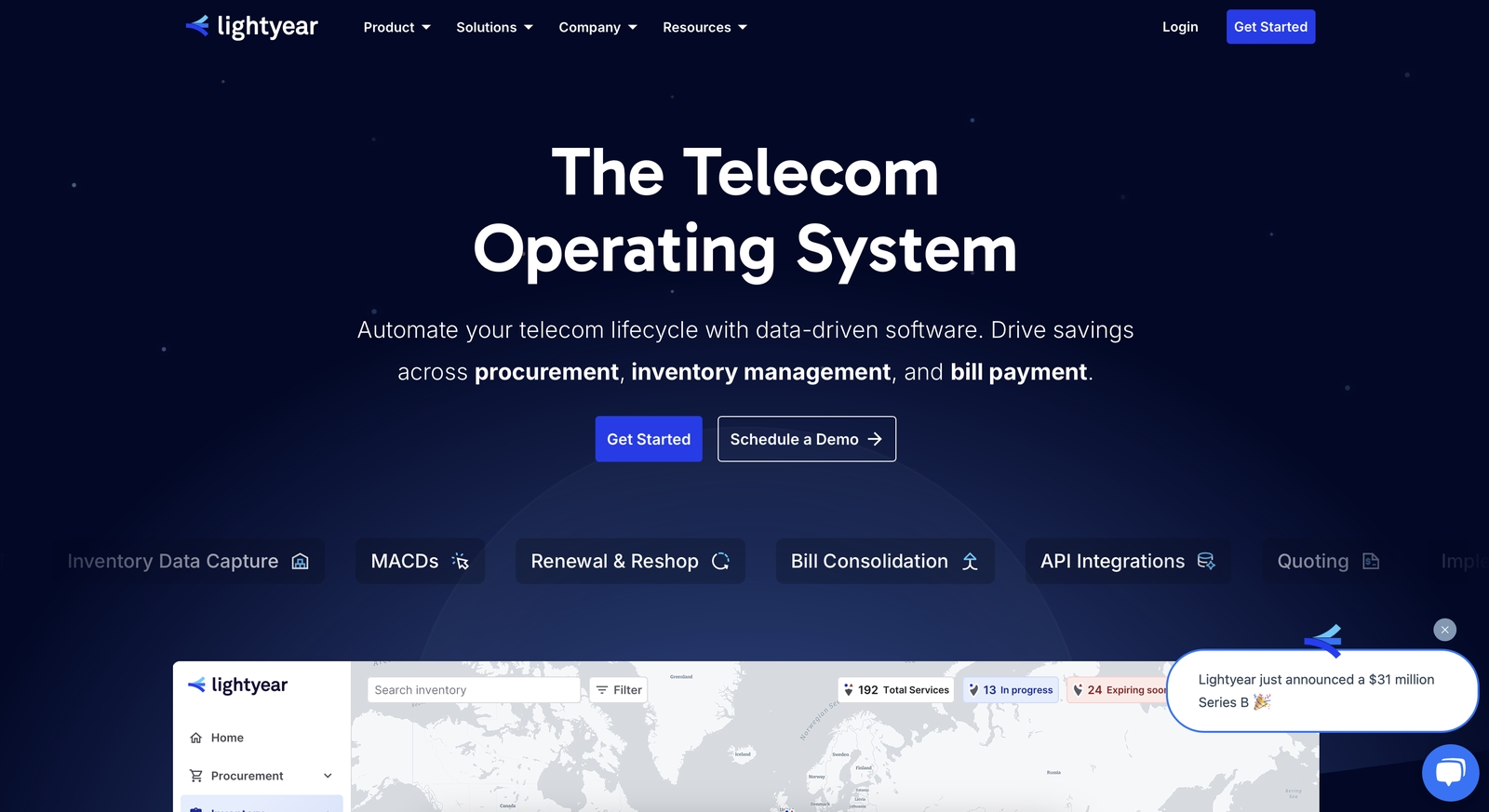
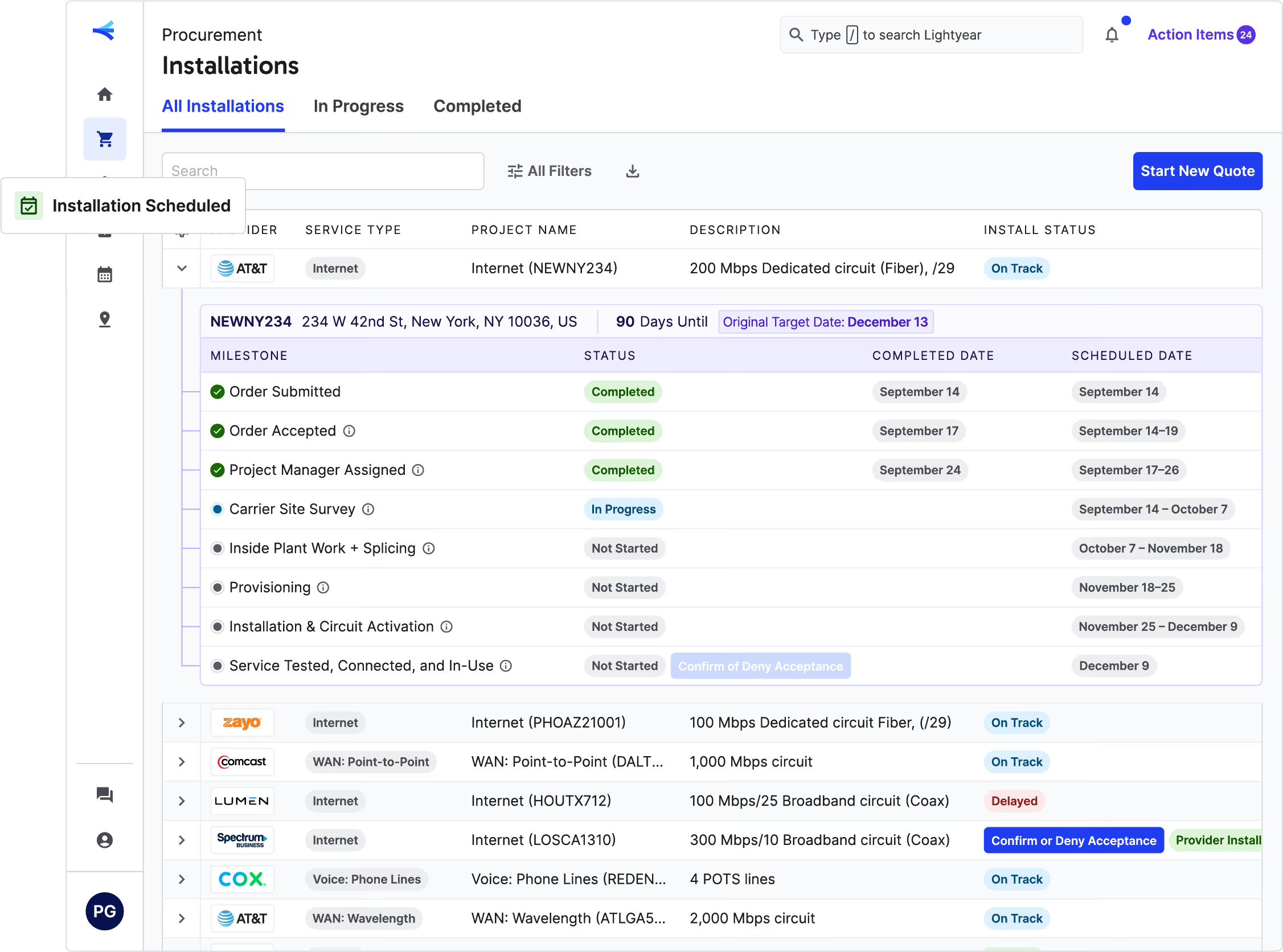
Whether you decide on the dedicated performance of Active Ethernet or the cost-efficiency of PON, the next step is procurement. Lightyear’s platform automates this process, helping you source competitive quotes for either service from over 1,200 global carriers.
By automating procurement, inventory, and billing, Lightyear removes the complexity of telecom management. Enterprises using our platform see over 70% time savings and up to 20% cost savings on their network services.
Schedule a demo or get started with our questionnaire today.
Frequently Asked Questions about Active Ethernet vs PON
Is there a difference in latency between Active Ethernet and PON?
Active Ethernet typically provides lower and more consistent latency due to its direct path. PON latency can be slightly higher and more variable, as traffic is managed for multiple users on a shared line, which can introduce minor delays.
Which technology is more reliable?
Both are very reliable fiber technologies. Active Ethernet's direct line simplifies fault isolation. PON has fewer powered components in the network, reducing failure points, but a single issue on the shared fiber can impact multiple customers.
Can PON offer symmetrical speeds?
Yes, newer PON standards like XGS-PON can provide symmetrical speeds. However, many standard PON services remain asymmetrical with faster downloads than uploads. Always confirm the specific service details with your provider to ensure it meets your needs.
Are certain industries better suited for one over the other?
Yes. Industries like finance or media often choose Active Ethernet for its guaranteed performance. PON is a popular, cost-effective choice for retail, hospitality, and branch offices with more general internet usage patterns and less demanding upload needs.
Let us show you the product and discuss specifics on how it might be helpful.
Schedule a Demo





Revolutionize Your Telecom Experience
Learn how you can get one step closer to optimal business efficiency for all your telecom services.