Copper vs Fiber Routers: Enterprise Network Choices
Copper vs. fiber routers for your enterprise network. Learn the key differences in speed, cost, and performance to make the right choice.

When building or upgrading your enterprise network, one of the most fundamental decisions you'll make is choosing the right hardware. This choice directly impacts your network's speed, reliability, and overall performance.
The debate often comes down to two primary options: copper routers and fiber routers. This article will compare them side-by-side, looking at their key differences in performance, cost, and application to help you determine the best fit for your business needs.
What is a Copper Router?
A copper router is a networking device that uses traditional copper wiring, most commonly Ethernet cables, to connect to the internet and distribute that connection to devices on a local area network (LAN). It's the standard hardware for many business networks, directing data using electrical signals sent over copper wires.
- It connects to a modem via an Ethernet port to receive an internet signal from a service provider.
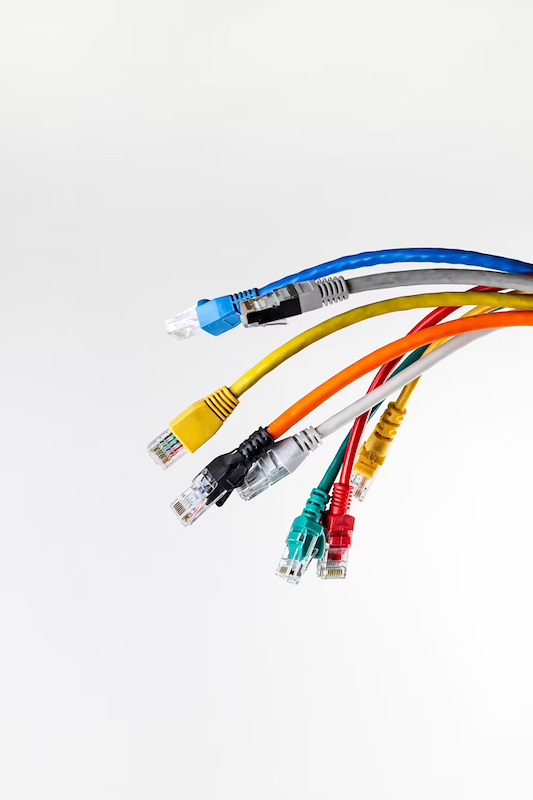
- It uses twisted-pair copper cables, such as Cat5e or Cat6, to physically link to computers, printers, and other network hardware.
- Data transmission speeds are determined by the quality of the copper cabling and the distance the signal must travel.
- While many also provide Wi-Fi, their core wired infrastructure is built on copper technology.
What is a Fiber Router?
A fiber router, also known as a fiber optic router, is a device specifically designed to handle internet connections delivered over fiber optic cables. Instead of processing electrical signals from a copper line, it interprets data transmitted as pulses of light, enabling significantly higher data throughput.
- It connects to the internet via a fiber optic cable, often through a device called an Optical Network Terminal (ONT) that converts light signals for the router to use.
- It is engineered to support the gigabit speeds that fiber optic internet provides.
- Data arrives from the service provider as light pulses traveling through thin strands of glass or plastic.
- On the local network (LAN) side, it typically uses the same Ethernet ports and Wi-Fi technology as a copper router to connect your local devices.
Copper Router vs Fiber Router: Key Differences
Beyond the basic connection type, several core distinctions separate these two technologies, impacting everything from signal reliability to physical security.
1. Signal Integrity and Interference
Copper routers process electrical signals that travel through metal wires. This makes them vulnerable to electromagnetic interference (EMI) from common sources like power lines, large machinery, or even office lighting, which can degrade the signal and cause data errors.
Fiber routers, on the other hand, interpret pulses of light that are completely immune to EMI. This provides a cleaner and more consistent data stream, making it a more reliable option for industrial settings or dense office environments.
2. Distance and Signal Degradation
Electrical signals in copper cables naturally weaken over distance in a process called attenuation. This limits the effective range of an Ethernet cable, typically to around 100 meters, before performance drops.
Fiber optic signals can travel for many kilometers with minimal signal loss. This capability is critical for networking large corporate campuses, connecting data centers, or wiring multi-story buildings without needing signal boosters.
3. Physical Data Security
It is possible to intercept data from a copper cable by "tapping" it with specialized equipment, a security breach that can be difficult to detect.
Tapping a fiber optic cable is significantly more difficult and invasive, as it requires precisely interrupting the beam of light. Such an attempt almost always degrades the signal in a way that is immediately detectable by network monitoring systems, offering a higher level of security.
Performance and Speed Comparison
When it comes to raw performance, the difference between copper and fiber is stark. The underlying technology of each directly dictates how much data can be moved and how quickly, which is a critical factor for any business network.
- Bandwidth: A copper router's speed is often limited by the Ethernet cable standard, typically topping out at 1 Gbps for most business applications. Fiber routers, however, are built for much higher throughput and can easily support symmetrical speeds of 1 Gbps, 10 Gbps, or more, making them essential for data-intensive operations.
- Latency: Fiber generally offers lower latency, which is the delay before a data transfer begins. Because data travels as light, it faces fewer interruptions than electrical signals on copper. This results in more responsive performance for real-time applications like VoIP, video conferencing, and cloud platforms.
- Symmetrical Speeds: A significant performance advantage for fiber is its ability to provide symmetrical upload and download speeds. Most copper-based internet services have much slower upload rates, which can create bottlenecks for businesses that frequently back up large files to the cloud or host their own applications.
Cost Considerations for Copper and Fiber Routers
When budgeting for network hardware, the initial price tag is just one part of the equation. Generally, copper routers are more affordable upfront, as the technology is mature and widely available.
Fiber routers, built to handle much higher speeds, typically have a higher initial purchase price. This cost is often tied to their advanced capabilities.
Beyond the hardware, consider the price of the internet service plan. Fiber optic plans can be more expensive than copper-based services, but this premium pays for the significant jump in speed and reliability.
For businesses with high data demands, the greater investment in fiber can be a strategic one. Its superior performance and scalability can prevent costly bottlenecks and support future growth, offering strong long-term value.
Installation and Maintenance
The setup process and ongoing upkeep also differ significantly between the two router types, which can influence total cost of ownership and potential downtime.
- Copper Installation: Setting up a copper router is generally straightforward. It uses standard, durable Ethernet cables that are familiar to most IT teams, making in-house installation a common practice.
- Fiber Installation: Fiber installation is more specialized. The glass cables are fragile and can be damaged if bent or handled improperly, often requiring certified technicians for the initial setup and connection to the Optical Network Terminal (ONT).
- Copper Maintenance: If a copper cable fails, it's typically easy and inexpensive to replace. Troubleshooting connectivity issues is a standard skill for most network professionals.
- Fiber Maintenance: Repairing a broken fiber optic cable is a complex task that requires specialized tools and expertise, which can lead to longer downtime and higher service costs.
Making the Right Choice for Your Enterprise
Ultimately, the choice between a copper and fiber router boils down to your specific business needs, budget, and long-term growth plans. There is no single "best" option, only the right fit for your operational demands.
A copper router is a sensible and cost-effective solution for businesses with standard data requirements. If your daily activities consist of web browsing, email, and modest file sharing across a smaller office, copper provides dependable performance without a significant upfront investment.
A fiber router is the strategic choice for businesses that depend on high-speed, reliable connectivity. If your operations involve large data transfers, cloud applications, video conferencing, or VoIP, fiber's superior bandwidth and low latency are necessary. It is an investment in future-proofing your network against growing data demands.
Need Help Managing Your Network? Lightyear Can Help
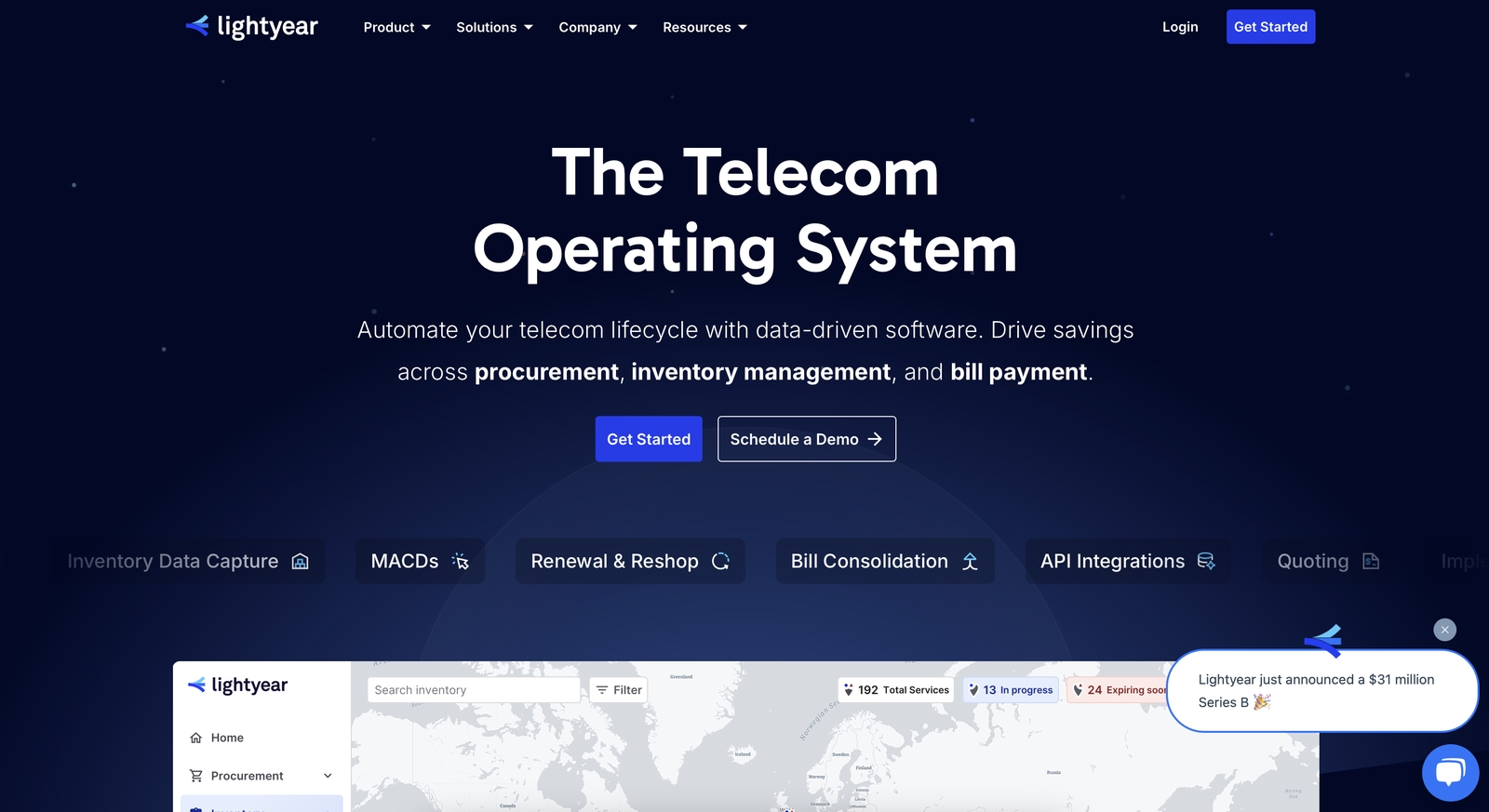
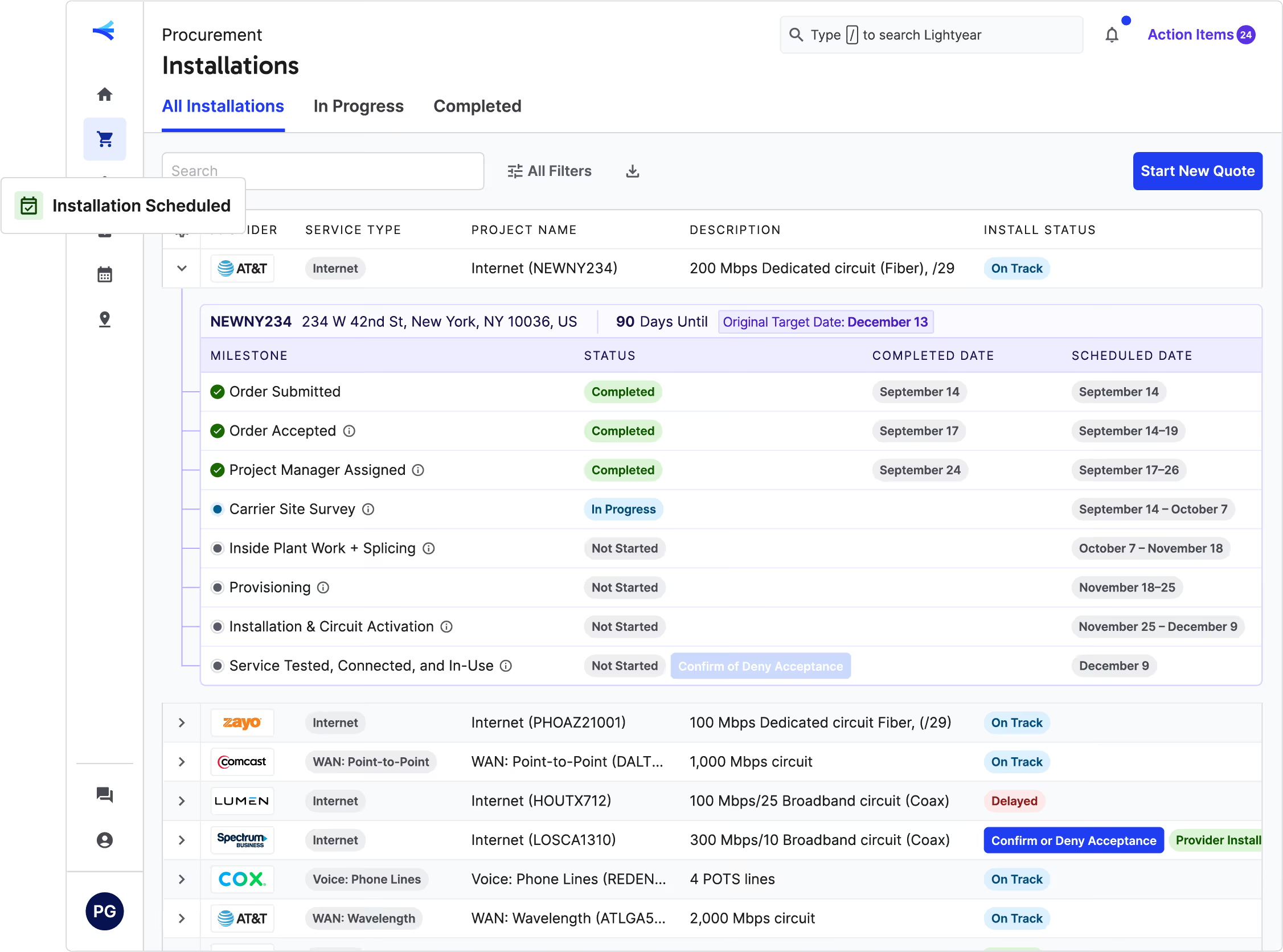
Whether you choose copper or fiber, Lightyear helps you procure and manage it. By automating network service procurement, inventory management, and bill consolidation, our platform takes the pain out of telecom infrastructure management.
The hundreds of enterprises who trust Lightyear achieve 70%+ time savings and 20%+ cost savings on their network services.
Schedule a demo or get started with our questionnaire today.
Frequently Asked Questions about Copper Router vs Fiber Router
Can I use any router with a fiber internet connection?
Not directly. A fiber connection requires an Optical Network Terminal (ONT) to convert light signals. While some routers have a built-in ONT, most connect to a separate ONT box via a standard Ethernet cable. So, many high-speed copper routers can work with a fiber service.
Does a fiber router improve my Wi-Fi speed?
A fiber router itself doesn't create faster Wi-Fi signals. However, because it's connected to a much faster fiber internet source, your devices will experience faster speeds over Wi-Fi. The performance boost comes from the internet plan, not the router's Wi-Fi technology alone.
Do I need to replace all my Ethernet cables if I switch to fiber?
No, you typically don't. The fiber optic cable runs to your building's ONT. From there, your internal network (LAN) will still use standard Ethernet cables like Cat5e or Cat6 to connect the router to your devices. Your existing copper wiring remains perfectly usable.
Is an Optical Network Terminal (ONT) the same as a modem?
They serve a similar function but for different technologies. A modem translates signals for copper lines (like DSL or cable), while an ONT translates signals for fiber optic lines. Both devices are essential for connecting your router to your internet service provider's network.
Let us show you the product and discuss specifics on how it might be helpful.
Schedule a Demo





Revolutionize Your Telecom Experience
Learn how you can get one step closer to optimal business efficiency for all your telecom services.