Deco WiFi Router vs Access Point Comparison
Deco WiFi vs. Access Point: A clear comparison for IT pros. Understand the functional differences, use cases, and which best fits your infrastructure.

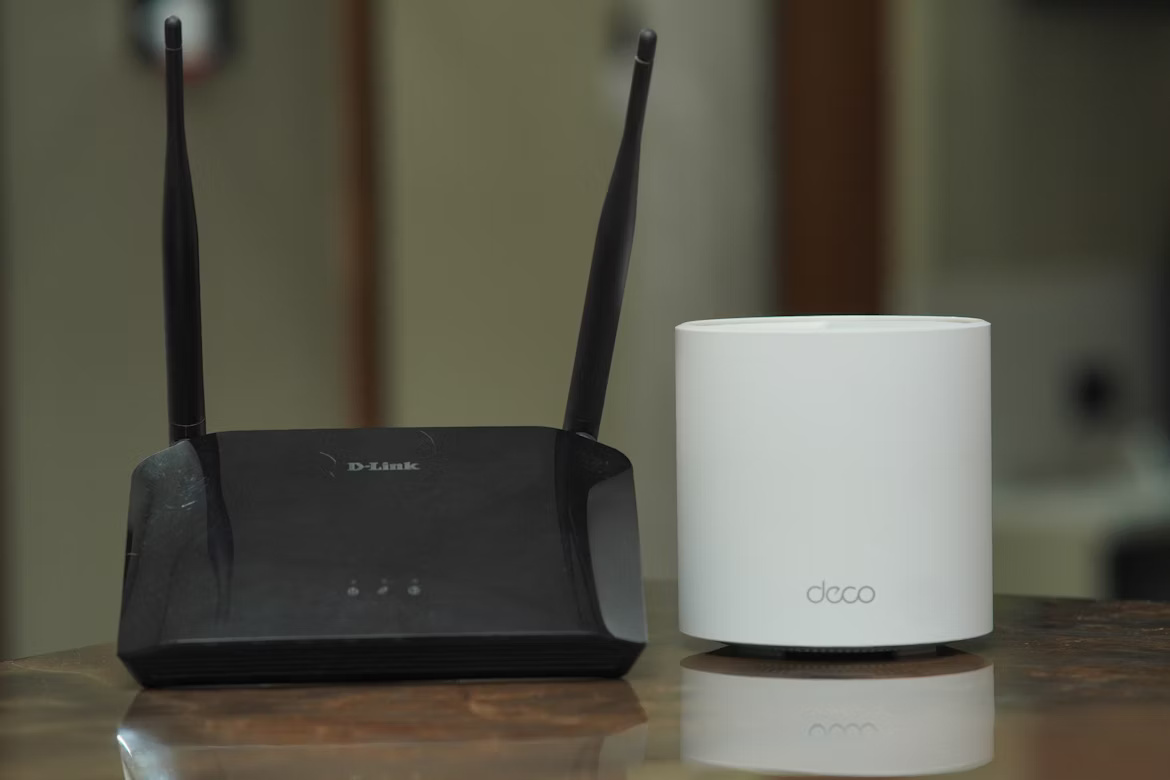
When setting up or expanding a wireless network, you'll often encounter terms like 'Deco WiFi router' and 'access point'. While they both help deliver internet access, they function differently and are designed for distinct networking scenarios.
Understanding the difference is important for building a reliable and scalable network for your business. This article will compare Deco WiFi routers and access points, helping you decide which is the right fit for your organization's needs.
What is a Deco WiFi Router?
A Deco WiFi router is a key component of a mesh WiFi system. It's designed to blanket a large area with consistent wireless coverage by using multiple units that work together, effectively eliminating dead zones.
Instead of relying on a single, central router, a mesh system uses several interconnected units, or nodes, placed throughout your space. Here’s a breakdown of how it functions:
- One Deco unit connects to your modem and serves as the main router for your network.
- Additional satellite units are positioned in other rooms or on different floors to extend the WiFi signal.
- All units broadcast a single network name (SSID), allowing devices to switch to the strongest signal source automatically as you move.
- The system manages traffic intelligently, routing data through the most efficient path to maintain stable performance.
What is an Access Point?
An access point is a networking device that creates a wireless local area network (WLAN) by connecting to a wired router or switch via an Ethernet cable. It acts as a bridge, extending an existing wired network to allow wireless devices to connect. This setup is common in business environments where robust, scalable coverage is needed.
Here’s how access points typically operate:
- They broadcast a WiFi signal in a specific area, providing a connection point for laptops, phones, and other wireless devices.
- Unlike a router, an access point does not perform routing functions or assign IP addresses. It simply passes data between the wireless devices and the main wired network.
- Multiple access points can be installed throughout a building to cover a large area, though they often require individual configuration.
- They are designed to support a high number of simultaneous connections, making them suitable for high-traffic environments like offices or public venues.
Deco WiFi Router vs Access Point: Key Differences
While both technologies aim to improve your wireless coverage, they operate on different principles and fit into a network in distinct ways. Here are the key distinctions an IT buyer should know.
1. Core Functionality and Network Role
A Deco system is designed to be an all-in-one network solution. The main Deco unit acts as the primary router, handling traffic management, security, and assigning IP addresses for the entire network.
An access point is a peripheral device that extends an existing wired network. It does not perform routing functions; it simply creates a wireless signal, relying on a separate, dedicated router to manage the network.
2. Installation and Management
Deco systems are built for user-friendly, plug-and-play setup, typically configured and managed through a simple mobile application.
Access points, especially enterprise-grade models, require more technical configuration. They are often managed as a group through a central network controller, which allows for more granular control but demands greater IT expertise.
3. Cabling and Infrastructure
Deco units primarily communicate with each other wirelessly to form a mesh network, though they can use a wired connection (known as Ethernet backhaul) for better performance.
In contrast, every access point requires a physical Ethernet cable connection back to the main network switch. This wired foundation provides highly reliable performance and is the standard for scaling coverage across large offices or campuses.
Benefits of Using a Deco WiFi Router
A Deco mesh system offers several advantages, particularly for businesses looking for a straightforward yet powerful wireless solution. Its design prioritizes ease of use and consistent coverage without requiring deep technical expertise.
- Simple Scalability: Expanding your network is as easy as adding another Deco unit. The system automatically integrates the new node, making it ideal for growing offices or spaces with evolving layouts without needing to run new wires.
- Reduced Infrastructure Costs: Since Deco units primarily connect wirelessly, they can lower the initial setup cost by avoiding the need for extensive Ethernet cabling, which is required for every traditional access point.
- Seamless Roaming: With a single network name (SSID) across all units, devices can move throughout the coverage area and automatically connect to the strongest signal without interruption, creating a smooth user experience.
- All-in-One Functionality: Deco systems often include built-in network management tools, such as Quality of Service (QoS) to prioritize traffic and basic security features, bundling key functions into one package.
Advantages of Access Points in Enterprise Networks
For businesses with demanding network requirements, access points provide a level of performance and control that consumer-grade systems can't match. They are built for stability and managing a high volume of users.
- Superior Performance and Reliability: Since each access point is hardwired via Ethernet, they deliver consistent, high-speed connectivity. This dedicated connection is crucial for data-intensive applications and avoids the wireless interference that can affect mesh systems.
- Advanced Network Management: A central controller gives IT teams granular control to set security policies, create separate guest and corporate networks (SSIDs), and monitor performance in detail.
- High-Density Support: Access points are designed to handle hundreds of simultaneous connections in crowded spaces like conference rooms or open offices, maintaining stable performance for all users.
- Flexible Installation with PoE: Many models support Power over Ethernet (PoE), meaning a single cable provides both data and power. This simplifies installation in locations like ceilings where outlets are scarce.
Choosing Between Deco WiFi Routers and Access Points for Your Business
Making the right choice comes down to your specific business environment, technical resources, and future growth plans. The best fit depends on your scale, performance needs, and management capabilities.
Opt for a Deco System for Simplicity and Flexibility
A Deco mesh system is an excellent fit for small to medium-sized businesses, such as retail stores or satellite offices, that need reliable coverage without a complex setup. If your organization lacks a dedicated IT team or extensive Ethernet cabling, Deco's plug-and-play nature offers a cost-effective and straightforward solution.
Select Access Points for Performance and Control
Access points are the standard for larger enterprises, campuses, and high-density environments like conference centers or warehouses. Their required wired connection ensures maximum performance and stability for critical operations. If your business requires granular control over security, support for hundreds of users, and advanced features like separate guest networks, an access point infrastructure is the more robust and scalable choice.
Final Thoughts on Deco WiFi Routers and Access Points
Ultimately, the choice between a Deco WiFi router and an access point isn't about which is 'better,' but which is the right tool for your specific job. A Deco mesh system offers a straightforward, scalable solution for smaller businesses that value simplicity and quick setup.
In contrast, access points provide the raw performance, reliability, and detailed control required for larger, high-density corporate environments. By evaluating your scale, IT resources, and performance demands, you can confidently select the technology that will best support your organization's connectivity needs.
Need Help Managing Your Network? Lightyear Can Help
Once you've chosen your hardware, the next step is managing the underlying network services. Lightyear helps you automate the entire telecom lifecycle, from procurement and inventory to bill consolidation.
By automating network service procurement and management, enterprises using our platform achieve over 70% in time savings and reduce costs by more than 20%.
Schedule a demo or get started with our questionnaire today.
Frequently Asked Questions about Deco WiFi Router vs Access Point
Can a Deco unit be used in access point mode?
Yes, most Deco systems can be switched to an "Access Point Mode." In this setting, they connect to your existing router and focus solely on extending WiFi coverage, letting the main router handle all network management tasks like assigning IP addresses.
Do access points require a separate router?
Yes, access points are designed to extend a wired network, not create one. They must connect to a router, which manages network traffic, provides security features, and assigns IP addresses to all connected devices on the network.
Which option offers better security?
Enterprise-grade access points generally provide more robust security. They allow for advanced configurations like separate guest networks (VLANs), detailed access controls, and integration with dedicated network security platforms, which are essential for protecting sensitive business data.
Let us show you the product and discuss specifics on how it might be helpful.
Schedule a Demo





Revolutionize Your Telecom Experience
Learn how you can get one step closer to optimal business efficiency for all your telecom services.