Ethernet vs Fibre Channel: Network Protocol Comparison
Ethernet vs. Fibre Channel explained. A clear comparison for IT pros on when to use each protocol for general networking vs. storage area networks (SANs).

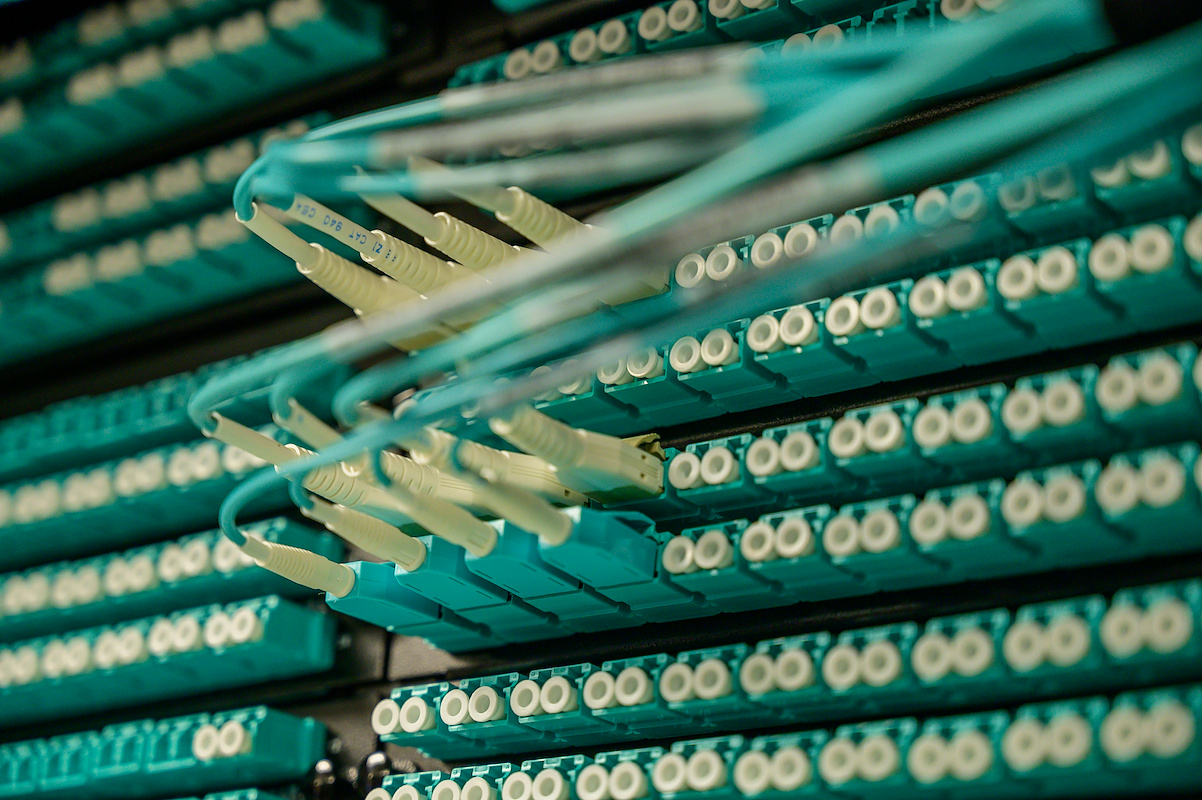
When building or upgrading your company's network infrastructure, you'll likely encounter two key protocols: Ethernet and Fibre Channel. While both are fundamental for data transmission, they are designed for very different purposes and environments. Ethernet is the standard for local area networks (LANs), connecting computers and devices, while Fibre Channel is a high-speed protocol specifically built for storage area networks (SANs).
Choosing between them isn't about which one is universally better, but which is the right fit for a specific application within your enterprise. This guide will break down the key differences in their architecture, performance, and cost to help you determine the best solution for your networking and storage needs.
What is Ethernet?
Think of Ethernet as the universal language for most wired networks. It's a set of networking protocols and standards, officially known as IEEE 802.3, that defines how devices communicate with each other over a local area network (LAN). It’s the foundational technology that connects your office computers, printers, and servers to each other and to the internet.
Data is transmitted in packages called "frames," which contain the data itself along with source and destination addresses. This process ensures information gets where it needs to go reliably within the network.
- Standardization: As the dominant LAN technology, Ethernet is highly standardized. This means hardware from different manufacturers can easily work together, simplifying network setup and management.
- Scalability: It has evolved significantly over the years, with speeds increasing from 10 megabits per second (Mbps) to 100 gigabits per second (Gbps) and beyond to meet growing demands.
- Cost-Effectiveness: Due to its widespread adoption, Ethernet hardware like cables, switches, and network interface cards (NICs) is affordable and readily available.
What is Fibre Channel?
Fibre Channel is a high-speed data transfer protocol designed almost exclusively for one purpose: connecting servers to shared storage devices in a storage area network (SAN). While Ethernet is a jack-of-all-trades for general networking, Fibre Channel is a specialist, built from the ground up for the demands of block-level storage traffic.
It creates a dedicated, reliable, and fast pathway between your critical applications and the data they need to access. This separation from the primary LAN is one of its defining features, guaranteeing that storage performance is not affected by regular network activity like emails or file downloads.
- Lossless Protocol: Fibre Channel is inherently lossless. It uses a credit-based flow control mechanism to ensure data frames are not dropped during transmission, which is vital for maintaining data integrity during storage operations.
- High Performance: It offers high throughput and very low latency, making it ideal for performance-sensitive applications like databases and virtualization that require rapid access to large blocks of data.
- Dedicated Infrastructure: A Fibre Channel network is physically separate from an Ethernet LAN, requiring its own dedicated switches, host bus adapters (HBAs) in servers, and cabling.
Ethernet vs Fibre Channel: Key Differences
The core differences between them come down to their intended purpose, how they handle data, and the hardware they require. Understanding these distinctions is key to deploying the right infrastructure.
1. Network Purpose and Traffic Type
Ethernet is the backbone of Local Area Networks (LANs), designed to carry a wide mix of IP traffic for many users and applications. This includes everything from emails and web browsing to internal file sharing and video calls.
Fibre Channel, in contrast, is purpose-built for Storage Area Networks (SANs). Its sole focus is transporting block-level storage data between servers and storage arrays, creating a dedicated path separate from general user traffic.
2. Data Transmission and Reliability
Ethernet is considered a "lossy" protocol, meaning it can drop data packets under heavy network congestion. It offloads the responsibility for data integrity to higher-level protocols like TCP, which must detect loss and request retransmission.
Fibre Channel is inherently "lossless." It uses a built-in, credit-based flow control system to guarantee that frames are delivered in order and without being dropped, which is a critical feature for maintaining the integrity of database transactions.
3. Hardware and Addressing Schemes
An Ethernet network uses widely available Network Interface Cards (NICs) in devices and connects through standard Ethernet switches. Devices on the local network segment are identified using MAC addresses.
A Fibre Channel network requires specialized hardware, including Host Bus Adapters (HBAs) in servers and dedicated Fibre Channel switches to create the storage fabric. Devices in this fabric use a unique World Wide Name (WWN) for addressing.
Performance and Speed Comparison
When it comes to performance, raw speed is only part of the equation. The true difference between Ethernet and Fibre Channel emerges in how they handle data traffic, which directly impacts latency and consistency for their intended applications.
- Throughput and Latency: While top-tier Ethernet offers very high theoretical speeds (100 Gbps or more), its performance can be variable. It's designed for bursty traffic over a shared network, and latency can increase with congestion. Fibre Channel, with common speeds like 32 GFC and 64 GFC, is optimized for low, predictable latency, which is critical for storage operations.
- Protocol Efficiency: Ethernet relies on the TCP/IP stack to manage data transmission, which adds processing overhead. Fibre Channel uses a more lightweight, efficient protocol designed specifically for storage commands, resulting in faster processing from end to end.
- Dedicated vs. Shared Resources: A key performance advantage for Fibre Channel is its dedicated nature. By operating on a separate network, storage traffic isn't competing with emails, video calls, or other user activity, guaranteeing consistent performance for critical applications.
Cost Considerations for Enterprises
When it comes to budget, the financial outlay for Ethernet and Fibre Channel can differ substantially. Your choice will have a direct impact on both initial capital expenditure and long-term operational costs.
Ethernet is generally the more budget-friendly option. Because it is the standard for LANs, its hardware—including switches, cables, and network interface cards (NICs)—is mass-produced and widely available at a lower price point. Most IT professionals are also already familiar with managing Ethernet, reducing the need for specialized training.
Fibre Channel represents a higher initial investment. The required hardware, such as dedicated Host Bus Adapters (HBAs) and Fibre Channel switches, is more specialized and therefore more expensive. You must also account for the potential cost of hiring or training staff with the specific skills needed to manage a SAN fabric effectively.
Security Features and Reliability
When it comes to protecting your data and ensuring consistent operation, the two protocols take very different approaches. The design of each network directly influences its security posture and overall reliability.
- Ethernet networks are shared environments, making them more susceptible to general network security threats. Security is typically applied through software layers, such as firewalls, access control lists (ACLs), and VLANs to segment traffic. Reliability depends on higher-level protocols like TCP to manage packet loss and retransmission.
- Fibre Channel offers greater inherent security primarily because it operates on a separate, isolated network. This "air-gapped" design drastically reduces the attack surface. Security is managed at the hardware level through zoning, which controls server-to-storage communication, and LUN masking for more granular access. Its lossless nature and dedicated infrastructure also provide superior reliability for storage tasks.
Making the Right Choice for Your Business
Ultimately, the decision between Ethernet and Fibre Channel isn't about picking a winner, but about matching the technology to the task at hand. Your choice should be guided by the specific application you need to support.
For general business networking—connecting employee workstations, printers, and servers for everyday IP traffic—Ethernet is the practical and cost-effective choice. Its flexibility makes it ideal for standard local area networks (LANs).
However, for high-performance storage area networks (SANs) that support demanding applications like large databases or virtualization, Fibre Channel is the purpose-built solution. Its lossless, low-latency design guarantees the data integrity and speed these systems require.
Many enterprises use both. They rely on Ethernet for their corporate LAN and a dedicated Fibre Channel fabric for their SAN, ensuring each network is optimized for its specific function without compromise.
Need Help Managing Your Network? Lightyear Can Help
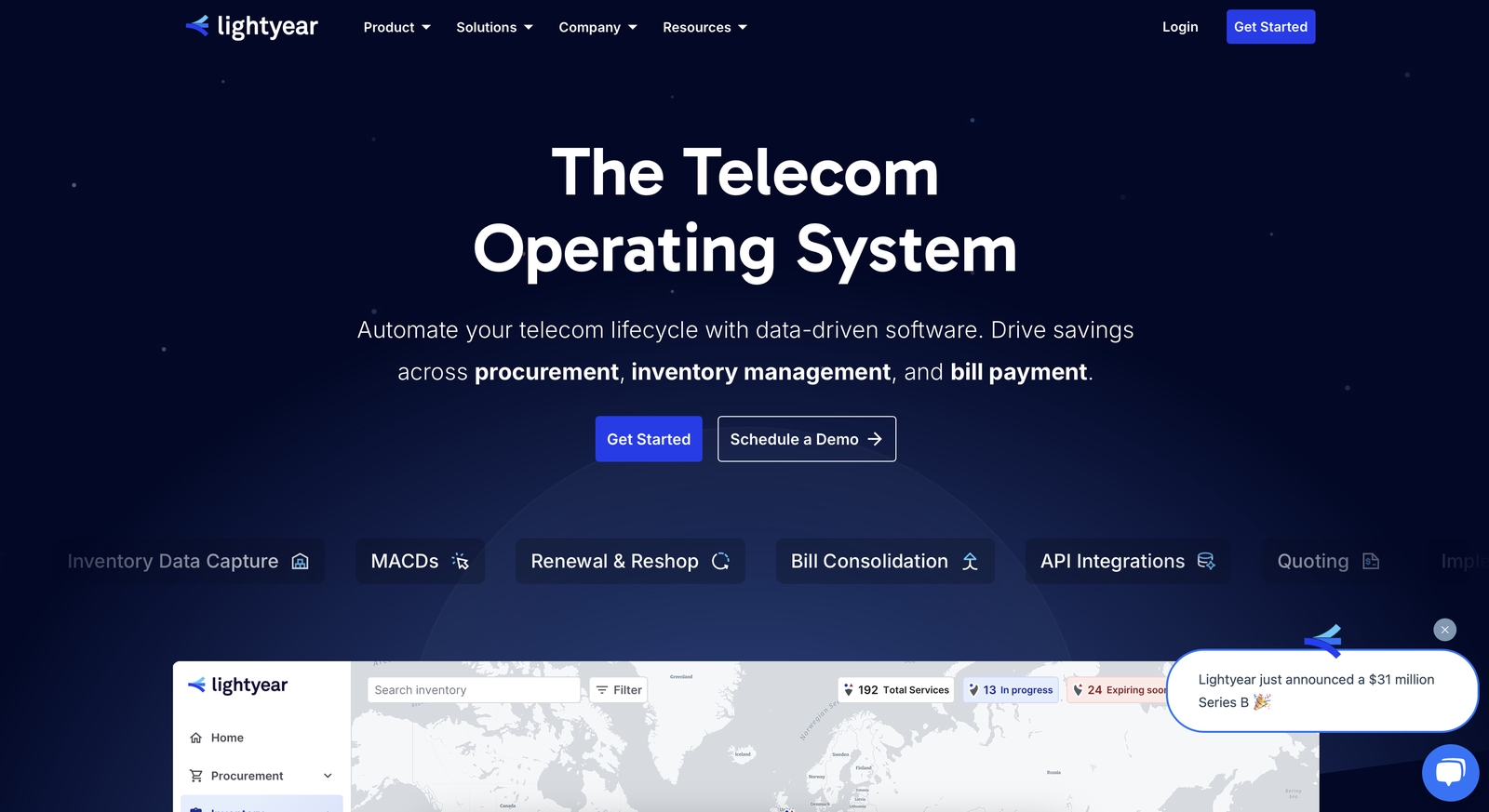
Whether you're procuring new Ethernet circuits or managing existing Fibre Channel connections, Lightyear simplifies the entire process. By automating network service procurement, inventory management, and bill consolidation, we take the pain out of managing your telecom infrastructure.
Enterprises that use Lightyear typically achieve over 70% in time savings and 20% in cost savings on their network services. Schedule a demo or get started with our questionnaire today.
Frequently Asked Questions about Ethernet vs Fibre Channel
Can I use my existing Ethernet network for storage?
Yes. Technologies like iSCSI and Fibre Channel over Ethernet (FCoE) let you run block-level storage over your Ethernet network. This creates a converged infrastructure and can be a cost-effective alternative to a dedicated Fibre Channel SAN.
Is Fibre Channel becoming obsolete?
Not at all. While Ethernet-based storage is growing, Fibre Channel remains the standard for high-performance SANs where reliability and low latency are non-negotiable. Many enterprises continue to invest in it for their most demanding applications.
What is Fibre Channel over Ethernet (FCoE)?
FCoE is a protocol that puts Fibre Channel frames inside Ethernet packets. This allows you to run both storage and regular network traffic over a single high-speed Ethernet infrastructure, which can simplify cabling and reduce hardware costs.
Do I need different cabling for Fibre Channel?
Yes. While both can use fiber optic cables, Fibre Channel requires its own transceivers and connectors. You cannot simply plug a Fibre Channel device into a standard Ethernet switch port, as the protocols and hardware are incompatible.
Let us show you the product and discuss specifics on how it might be helpful.
Schedule a Demo





Revolutionize Your Telecom Experience
Learn how you can get one step closer to optimal business efficiency for all your telecom services.