Ethernet vs GPON: Comparing Network Technologies
Ethernet vs. GPON: Which is right for your business network? Learn the key differences in speed, security, and cost to make an informed decision.

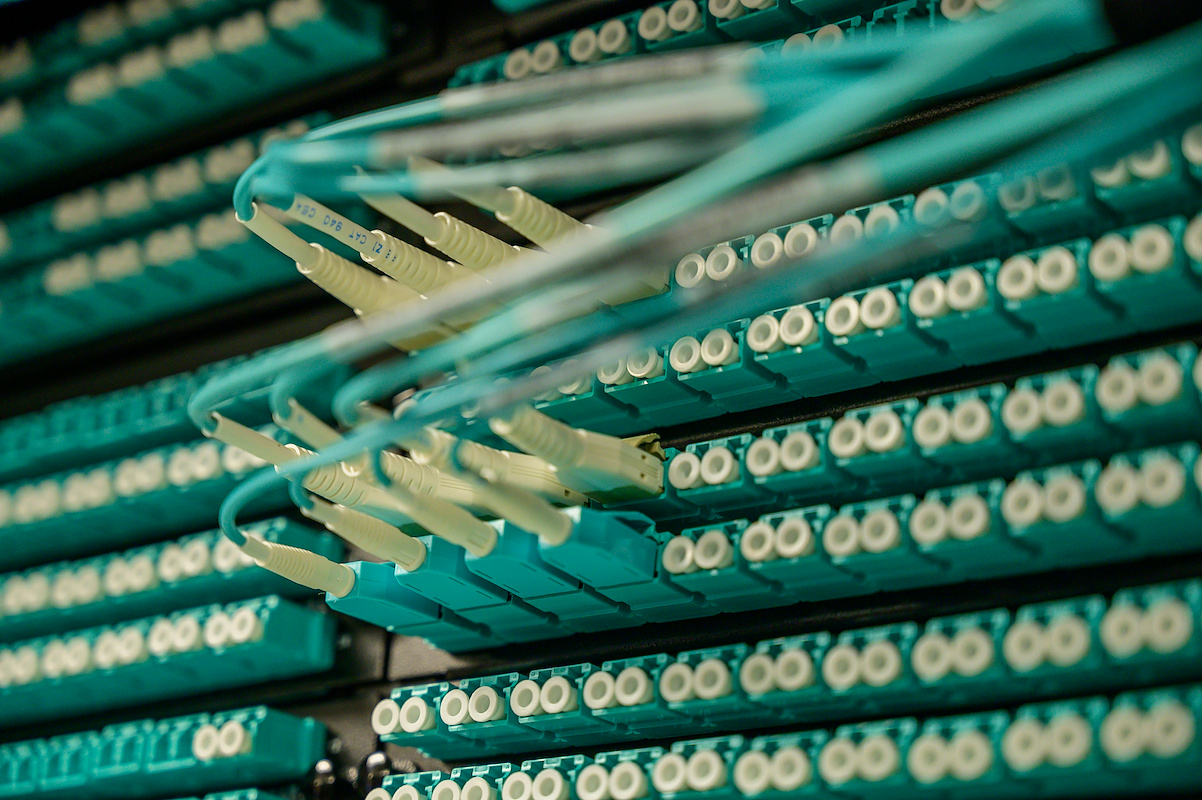
Choosing the right network technology for your business is a critical decision. Two prominent options you'll often encounter are Ethernet and Gigabit Passive Optical Network, or GPON.
While both deliver high-speed connectivity, they operate on fundamentally different principles and are suited for different applications. This guide will break down the key differences between them, helping you determine which is the better fit for your organization's needs.
What is Ethernet?
Simply put, Ethernet is the most widely used technology for building wired local area networks (LANs). It defines the rules for how data is formatted and transmitted between devices, ensuring they can communicate effectively over a physical connection.
- Physical Connection: It relies on physical cables—most commonly twisted-pair copper (like Cat5e or Cat6) or fiber optic cables for higher speeds and longer distances.
- Dedicated Bandwidth: Ethernet provides a dedicated, point-to-point connection. This means the bandwidth on that line isn't shared with other users, leading to consistent and predictable performance.
- Reliability and Security: Because it's a wired, direct connection, Ethernet is inherently more secure and less susceptible to interference than wireless alternatives, making it a staple in business environments.
What is GPON?
GPON, or Gigabit Passive Optical Network, is a telecommunications technology that uses fiber optic cables to deliver high-speed connectivity. It operates on a point-to-multipoint architecture, where a single fiber from a provider's central office can serve multiple end-users, making it a common choice for delivering fiber-to-the-premises (FTTP) services.
- Point-to-Multipoint Structure: A central Optical Line Terminal (OLT) sends data downstream to multiple Optical Network Units (ONUs) at customer locations. This is done using passive (unpowered) optical splitters to divide the signal along the way.
- Shared Bandwidth: The total bandwidth of the fiber line is distributed among all users connected to a single OLT port. This means capacity is shared, and performance can be influenced by the number of active users.
- Cost-Effective Infrastructure: By using passive splitters and requiring less fiber cabling to serve many locations, GPON is often a more efficient and scalable solution for service providers to deploy over large areas.
Ethernet vs GPON: Key Differences
While the end result is connectivity, how each technology gets there creates important distinctions in performance, cost, and scalability.
1. Performance and Bandwidth
Ethernet provides a dedicated, symmetrical connection, meaning your upload and download speeds are identical and performance is highly consistent. Because the bandwidth isn't shared, you won't experience slowdowns due to other users' activity.
GPON, on the other hand, operates on a shared network. This means the total bandwidth is distributed among multiple users, so performance can fluctuate. GPON connections are also typically asymmetrical, offering much faster download speeds than upload speeds.
2. Cost and Infrastructure
Deploying a dedicated Ethernet circuit is often more expensive, as it requires a direct fiber or copper line from the provider to your location. This point-to-point structure requires more physical infrastructure per customer.
GPON is generally more cost-effective for providers to roll out across broad areas. By using passive splitters to serve multiple locations from a single fiber, it reduces cabling and hardware costs, which can lead to lower monthly service fees.
3. Scalability
Scaling an Ethernet network typically involves running new dedicated lines and adding more hardware, which is straightforward but can be a significant project.
GPON is inherently designed for easy expansion. Adding a new customer within a service area is often as simple as connecting them to a nearby splitter on the existing fiber backbone, making it a more flexible architecture for growth.
Benefits of Ethernet for Enterprises
For businesses, the advantages of a dedicated Ethernet connection often come down to performance and control. Its architecture is particularly well-suited for environments where reliability is paramount.
- Consistent Performance: With a dedicated line, your bandwidth is yours alone. This guarantees stable performance for critical applications like video conferencing and cloud access, free from slowdowns caused by neighboring users.
- Symmetrical Speeds: Ethernet provides identical upload and download speeds. This is vital for tasks like large file transfers, server backups, and hosting applications, where fast upload capacity is just as important as download.
- Greater Security: A private, point-to-point connection is inherently more secure than a shared network, reducing exposure to external threats and helping meet compliance requirements.
- Simplified Troubleshooting: Managing a dedicated circuit is more straightforward. When network issues arise, your IT team can diagnose problems on your private line without the complexity of a shared infrastructure.
Advantages of GPON for Businesses
While dedicated Ethernet has its place, GPON offers compelling benefits, particularly for businesses where cost-efficiency and scalability are top priorities.
- Lower Operational Costs: Because GPON infrastructure is more efficient for providers to deploy and manage, these savings are often passed on to the customer. This results in lower monthly fees, making it an attractive option for businesses with many locations to connect.
- High-Speed for General Use: Although the bandwidth is shared, GPON delivers substantial download speeds that are more than enough for most day-to-day business activities, such as using cloud-based software, streaming video, and general internet access.
- Faster Service Activation: For businesses in an area already served by a GPON network, adding a new connection is often quicker and simpler than provisioning a new dedicated Ethernet circuit, allowing for faster site turn-ups.
- Future-Ready Foundation: GPON is built on fiber optic technology, which provides a robust and long-lasting foundation capable of handling increasing data demands as your business grows and technology evolves.
Choosing Between Ethernet and GPON
The decision between Ethernet and GPON comes down to your specific business requirements, particularly your needs for performance, security, and cost management across different sites.
1. Choose Ethernet for Performance-Sensitive Locations
Dedicated Ethernet is the clear choice for sites where performance and security cannot be compromised. This includes your corporate headquarters, data centers, or any location running applications sensitive to latency and jitter, like high-definition video conferencing.
The symmetrical speeds are also critical for operations that depend on heavy cloud usage, frequent large file uploads, and consistent server backups.
2. Opt for GPON for Cost-Effective Scalability
GPON is an excellent fit for connecting numerous locations where the primary need is reliable, general-purpose internet access at a lower cost. It works well for retail stores, branch offices, or distributed sites where daily activities involve email, web browsing, and using standard cloud software.
If your priority is to connect many sites under a controlled budget without needing the guaranteed performance of a dedicated circuit, GPON provides a practical and scalable solution.
Making the Right Choice for Your Network
Ultimately, neither Ethernet nor GPON is universally superior. The right choice depends entirely on your organization's specific needs, and you might even use a mix of both across your network. To make an informed decision, evaluate the unique requirements of each site.
- Application Performance: For headquarters or data centers running critical applications that need consistent, symmetrical bandwidth, dedicated Ethernet is the most reliable option.
- Budget and Scale: If your goal is to connect numerous branch offices or retail stores with solid performance at a lower cost per site, GPON offers a practical and scalable solution.
- Security and Control: When handling sensitive data or needing full control over your connection for troubleshooting, the private nature of a dedicated Ethernet circuit is a key advantage.
By carefully weighing these factors for each location, you can build a hybrid network that balances performance, cost, and security to support your business goals.
Need Help Managing Your Network? Lightyear Can Help
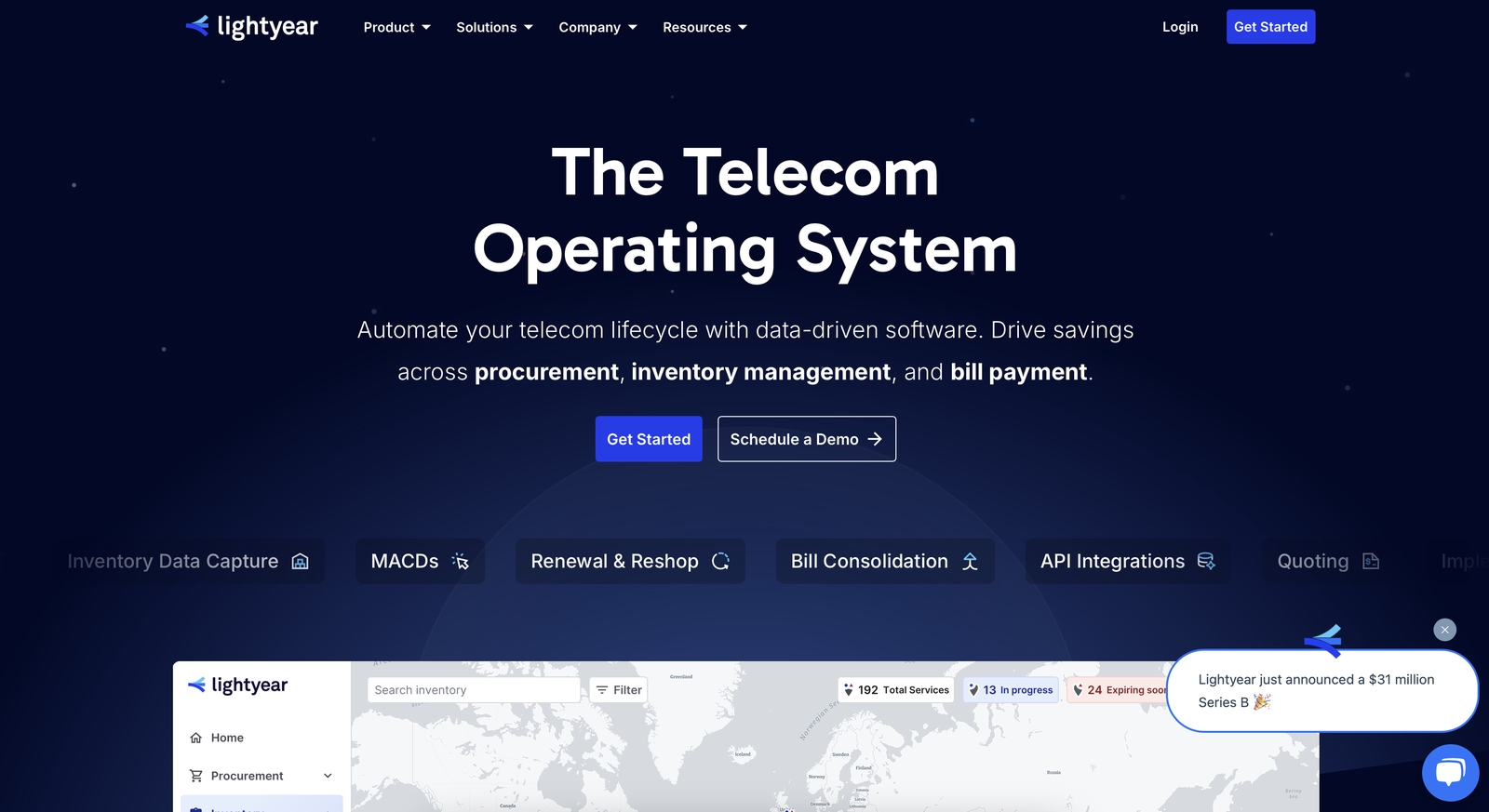
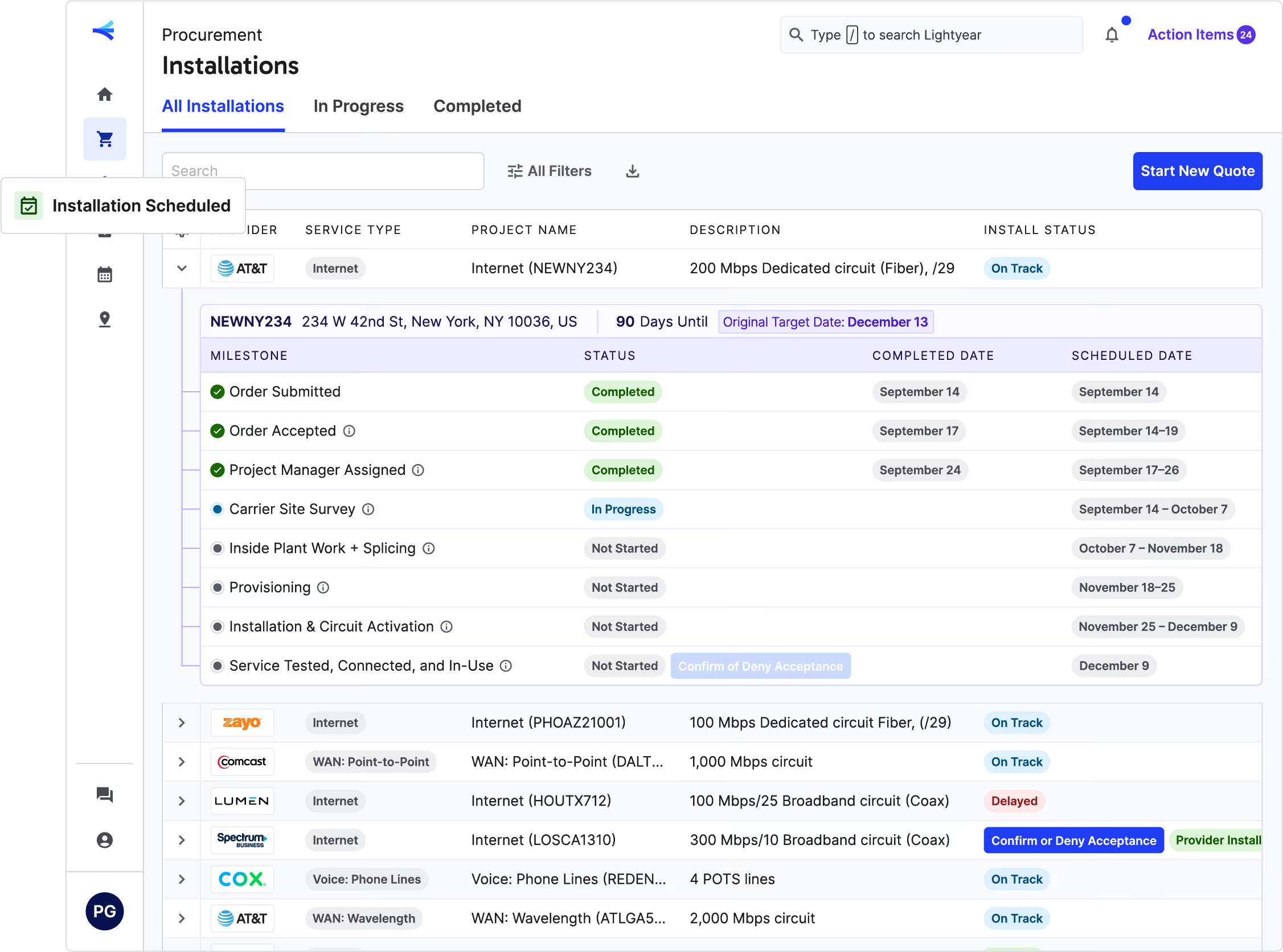
Whether you choose dedicated Ethernet for performance or GPON for scalability, Lightyear helps you procure and manage it. By automating network service procurement, inventory management, and bill consolidation, we take the pain out of managing your telecom infrastructure.
The hundreds of enterprises who trust Lightyear achieve 70%+ time savings and 20%+ cost savings on their network services. Schedule a demo or get started with our questionare today.
Frequently Asked Questions about Ethernet vs GPON
Can my business use both Ethernet and GPON?
Absolutely. Many businesses use a hybrid model, deploying dedicated Ethernet for performance-critical sites like headquarters and using cost-effective GPON for branch offices. This approach allows you to balance performance needs with your overall budget across multiple locations.
Is GPON less secure than dedicated Ethernet?
GPON networks use AES encryption to secure traffic. While a dedicated Ethernet circuit is inherently private because it's a point-to-point connection, a properly configured GPON connection is considered secure for the vast majority of business applications.
How does latency compare between the two?
Dedicated Ethernet typically offers lower and more consistent latency because the path is direct and the bandwidth is not shared. GPON latency can be slightly higher and more variable, as data must travel through shared splitters to reach its destination.
Let us show you the product and discuss specifics on how it might be helpful.
Schedule a Demo





Revolutionize Your Telecom Experience
Learn how you can get one step closer to optimal business efficiency for all your telecom services.