Ethernet vs Internet Speed: Enterprise Considerations
Ethernet vs. internet speed: what's the difference? This guide helps enterprise IT buyers understand the terms and choose the right connectivity.

When discussing network performance, the terms “Ethernet” and “Internet speed” are often used interchangeably. While they both relate to how quickly you can access data, they refer to two separate components of your overall network setup.
For any IT or operations leader, understanding this distinction is crucial for making informed decisions about network infrastructure. This article will clearly define each term and explain what matters most when procuring services for your enterprise.
What is Ethernet?
Think of Ethernet as the foundational technology that connects devices within a local area network (LAN), like the one in your office. It’s a protocol, or a set of rules, that governs how data travels over a physical, wired connection.
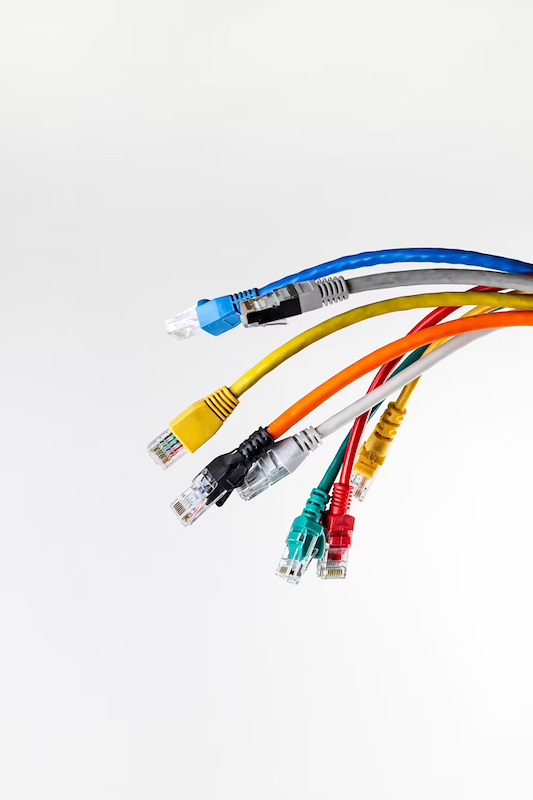
- It relies on physical cables—most commonly copper or fiber optic—to link computers, servers, switches, and routers together. This direct, wired link is what makes it so stable.
- The Ethernet protocol standardizes how data is broken down into smaller pieces called frames, transmitted across the network, and reassembled at its destination.
- While Ethernet comes in various speed capabilities (like 1 Gbps or 10 Gbps), the term itself refers to the local networking standard, not your connection speed to the wider internet.
What is Internet Speed?
Internet speed refers to the bandwidth of your connection to the wider internet—the Wide Area Network (WAN). This is the rate at which data travels between your local network and the global network of servers that make up the internet. It's what most people mean when they talk about how "fast" their connection is.
- This speed is determined by the service plan you purchase from an Internet Service Provider (ISP).
- It is measured in two key ways: download speed (how quickly you receive data) and upload speed (how quickly you send data), typically expressed in megabits per second (Mbps) or gigabits per second (Gbps).
- Unlike Ethernet, which is about local connectivity, internet speed dictates how quickly you can access external resources like websites, cloud applications, and video conferencing services.
Comparing Ethernet and Internet Speed
While they work together, their roles and limitations are distinct. Here’s a direct comparison to clarify how they differ.
1. Scope and Scale
The most fundamental difference is scope. Ethernet is for your Local Area Network (LAN), connecting devices within a single building or campus.
Internet speed, in contrast, applies to your Wide Area Network (WAN) connection, which links your entire local network to the global internet.
2. Their Interdependent Relationship
The two are directly linked. Your internet connection enters your building at a single point, but Ethernet is what distributes that connection to individual computers and devices.
You cannot access your full internet speed on a wired device without a functioning Ethernet connection to carry the signal from the router to the endpoint.
3. Identifying Performance Bottlenecks
Your overall network performance is limited by the slowest component in the chain. This is a critical point for infrastructure planning.
If you have a 1 Gbps internet service but your office uses older Ethernet switches limited to 100 Mbps, your users will never experience speeds faster than 100 Mbps.
Likewise, having a modern 10 Gbps Ethernet LAN won't accelerate a slow 50 Mbps internet plan when accessing cloud services or websites.
Benefits of Ethernet for Enterprises
For businesses managing critical operations, a robust Ethernet LAN offers several distinct advantages that directly impact daily productivity and security.
- Reliability and Lower Latency: Since Ethernet uses physical cables, it is not prone to the same interference that affects Wi-Fi. This immunity from signal drops or slowdowns caused by other devices or physical obstructions results in a highly stable connection with minimal delay, which is essential for voice calls and video conferencing.
- Faster Internal Speeds: While your internet plan dictates external speed, Ethernet governs how quickly data moves within your local network. This allows for rapid file transfers between computers and servers, quick local data backups, and smooth operation of internal applications without being limited by wireless bottlenecks.
- Enhanced Security: Wired networks are fundamentally more secure. Gaining access requires a physical connection to the network, which adds a significant layer of protection against unauthorized access. It is much harder to intercept data on a cabled network than on a wireless one.
Advantages of High Internet Speed
While a strong Ethernet LAN handles internal traffic, a high-speed internet connection is what empowers your business to interact effectively with the outside world. For enterprises, sufficient bandwidth is not a luxury—it's a core operational requirement.
- Improved Cloud Performance: Modern businesses rely heavily on cloud-based applications. A high-speed connection ensures these tools are responsive and efficient for all employees, preventing slowdowns when accessing customer relationship management (CRM) systems, enterprise resource planning (ERP) software, or cloud storage.
- Efficient Data Transfers: Operations that involve moving large files—such as sending design mockups, uploading data for analysis, or performing off-site backups—are completed much faster. This reduces downtime and keeps projects moving forward without long waits.
- Support for Communication Tools: High-quality video conferencing and VoIP phone systems demand significant bandwidth. A fast internet connection supports these tools for many simultaneous users, which is critical for connecting with clients and supporting hybrid or remote teams.
- Future-Ready Operations: Investing in higher internet speeds prepares your business for future growth. As your company adds more employees, devices, and data-heavy applications, a robust connection ensures your network can handle the increased load without performance degradation.
Choosing Between Ethernet and Internet Speed
The decision isn't about choosing Ethernet or internet speed; a modern business needs both to function effectively. Instead, the choice is about where to focus your investment to solve your most significant performance issues.
The key is to identify your primary use case. Are your daily operations more dependent on internal data movement or external connectivity?
For example, if your teams frequently transfer large files between local servers and workstations, upgrading your Ethernet infrastructure to 10 Gbps or higher will deliver the most noticeable improvement.
Conversely, if your business relies heavily on cloud-based software, VoIP, and video conferencing with clients, prioritizing a faster internet plan will have a greater impact on productivity.
Making the Right Choice for Your Business
Ultimately, a high-performing network requires a balanced investment in both your local Ethernet infrastructure and your internet service. The two work in tandem, and a weakness in one will undermine the strength of the other.
To make an informed decision, start by auditing your current network usage. If teams are slowed by internal file transfers, upgrading your Ethernet infrastructure is the priority. If cloud applications and video calls are the main pain points, then increasing your internet bandwidth will deliver a greater impact.
A balanced network matches your infrastructure to your business needs. By identifying your specific bottlenecks, you can make targeted investments that improve productivity and prepare your operations for future growth. Tools like Lightyear can help you procure the right services and manage your telecom infrastructure, ensuring your network keeps pace with your business.
Need Help Managing Your Network? Lightyear Can Help
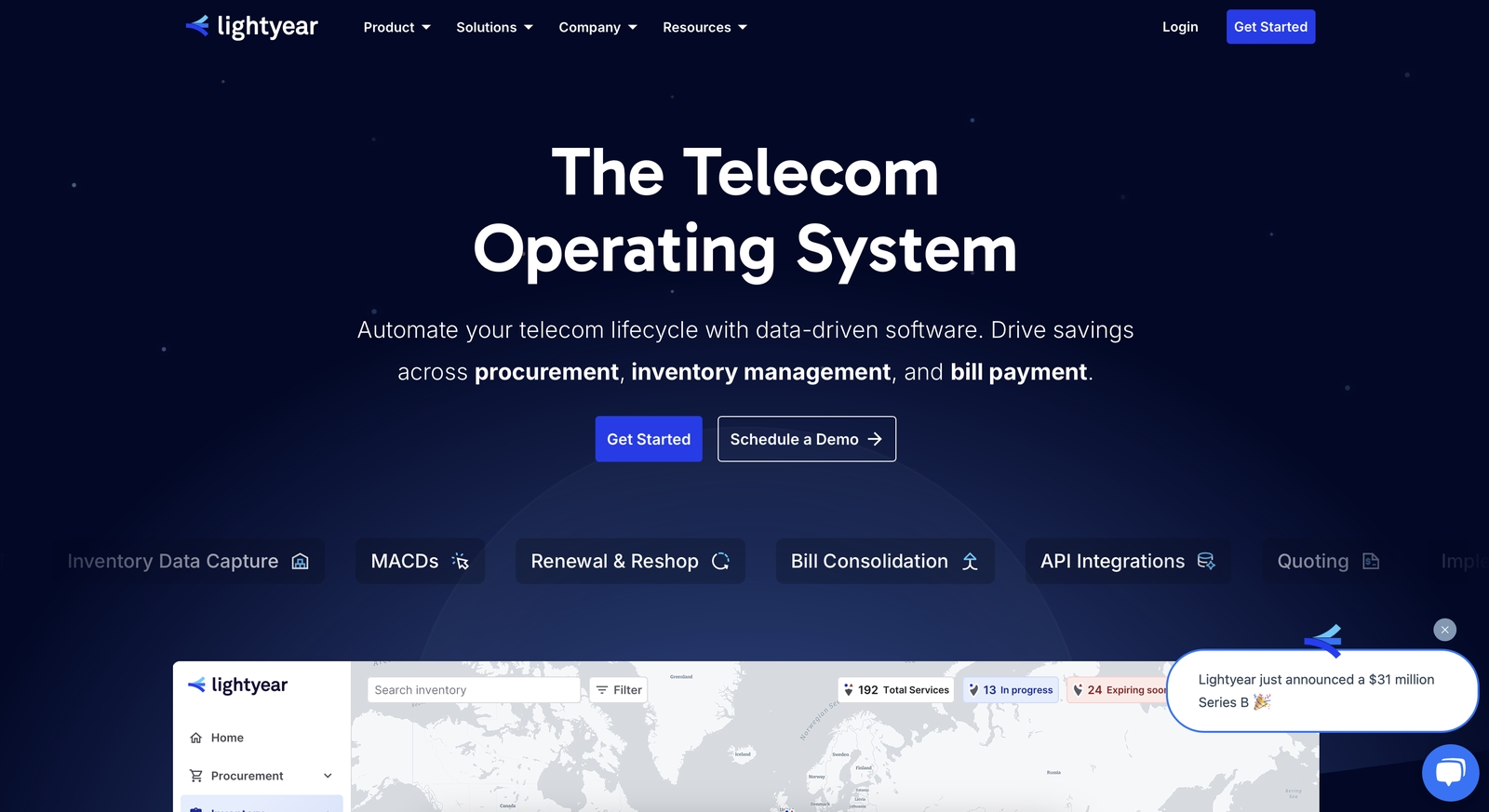
Whether you're upgrading local Ethernet or sourcing faster internet service, making the right choice is critical. By automating network service procurement, inventory management, and bill consolidation, Lightyear takes the pain out of managing your telecom infrastructure.
The hundreds of enterprises who trust Lightyear achieve 70%+ time savings and 20%+ cost savings on their network services. Schedule a demo or get started with our questionnaire today.
Frequently Asked Questions about Ethernet vs Internet Speed
Can I have Ethernet without an internet connection?
Yes. Ethernet creates a local network (LAN) for devices to communicate directly with each other, such as for file sharing or printing. It can operate entirely offline, without any connection to the wider internet, as it is fundamentally a local networking technology.
Does the type of Ethernet cable affect my internet speed?
It can. An older cable, like a Cat 5, might cap your speed at 100 Mbps, even if you pay for a 1 Gbps internet plan. Using a modern cable (Cat 6 or higher) ensures your physical wiring can support the full speed you're paying for.
Is Ethernet always faster than Wi-Fi?
A wired Ethernet connection is generally more stable and consistently faster than Wi-Fi because it avoids wireless interference. While modern Wi-Fi is very capable, Ethernet remains the standard for reliability and achieving maximum sustained speeds on a single device.
Why is my Ethernet speed slower than my internet plan?
This usually points to a bottleneck in your local network. Your Ethernet switch, network card, or even the cable itself might have a lower speed rating than your internet service, preventing you from accessing the full bandwidth you pay for.
Let us show you the product and discuss specifics on how it might be helpful.
Schedule a Demo





Revolutionize Your Telecom Experience
Learn how you can get one step closer to optimal business efficiency for all your telecom services.