Li-Fi vs Wi-Fi: Comparing Enterprise Connectivity
Li-Fi vs. Wi-Fi: Which is right for your business? Learn the key differences in speed, security, and cost for enterprise networks.

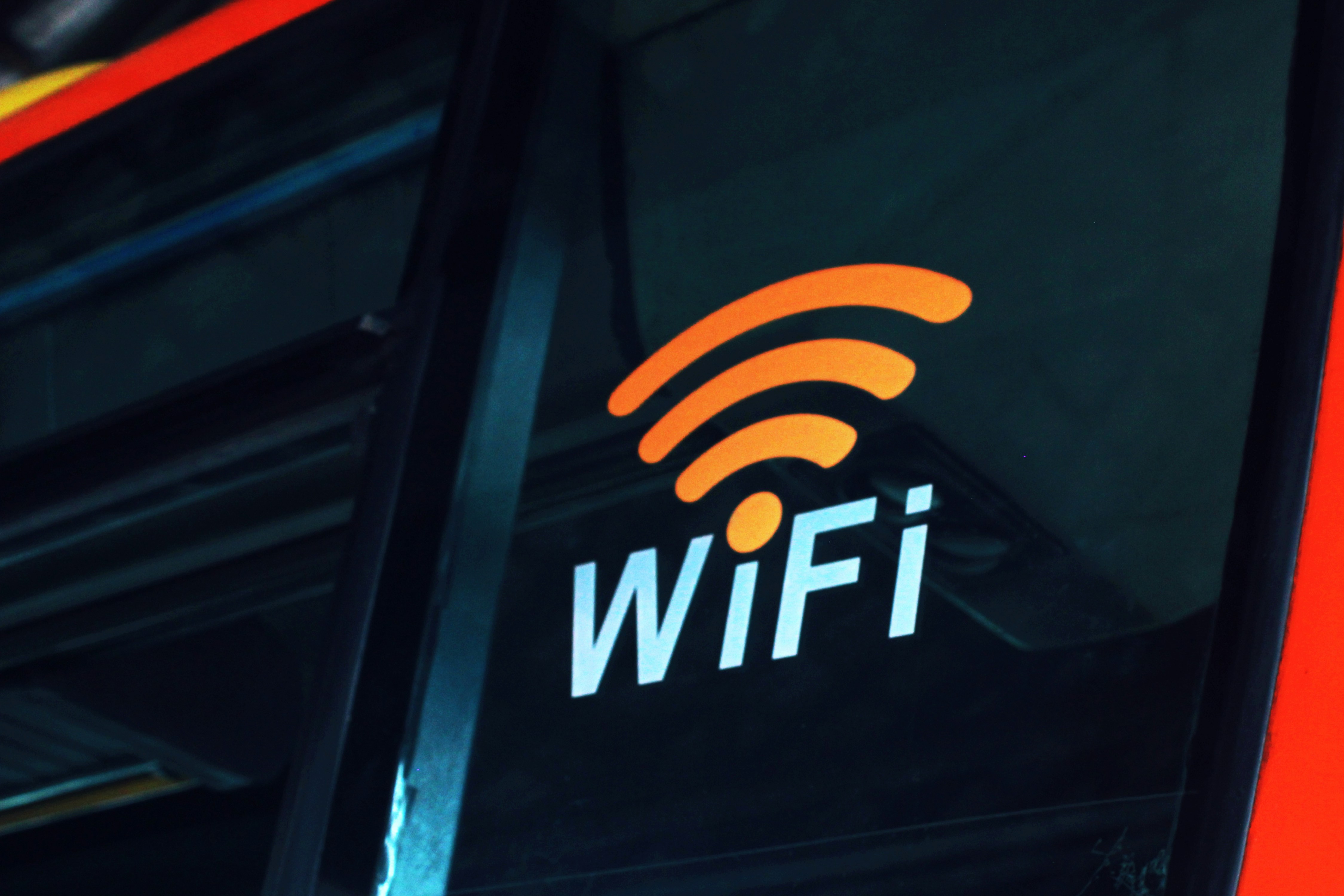
When it comes to wireless internet for your business, Wi-Fi has long been the go-to technology. However, a different option called Li-Fi, or Light Fidelity, is gaining attention for its unique approach to connectivity.
Unlike Wi-Fi which uses radio waves, Li-Fi transmits data using light from LED bulbs. This article will compare Li-Fi and Wi-Fi across key factors like speed, security, and infrastructure to help you determine which might be suitable for your enterprise needs.
What is Li-Fi?
At its core, Li-Fi (Light Fidelity) is a wireless communication technology that transmits data using the visible light spectrum. Instead of relying on the radio frequencies that power Wi-Fi, Li-Fi leverages LED lighting infrastructure to create a data network.
Here’s a breakdown of how it operates:
- Data Through Light: Li-Fi works by modulating the intensity of LED lights, turning them on and off at incredibly high speeds that are undetectable to the human eye. A photodetector on a receiving device interprets these flickers as data.
- Two-Way Communication: The connection is bidirectional. While data is received via the overhead LED light, the user's device typically sends data back using a separate, often infrared, transmitter.
- Line-of-Sight Requirement: Because it uses light, Li-Fi requires a direct line of sight between the light source (the LED bulb) and the device's receiver. The signal cannot penetrate walls or other opaque objects.
- Infrastructure Integration: It is designed to work with existing and future LED lighting systems, potentially turning every light bulb in a facility into a network access point.
What is Wi-Fi?
You’re likely already familiar with Wi-Fi, as it’s the most common technology for wireless internet access in businesses and homes. It stands for Wireless Fidelity and operates on a different principle than Li-Fi.
Here is how Wi-Fi provides a network connection:
- Data Through Radio Waves: Wi-Fi uses radio frequencies—typically in the 2.4 GHz, 5 GHz, or 6 GHz bands—to transmit data wirelessly from a router or access point to your devices.
- Centralized Hardware: A Wi-Fi network relies on a central router or a system of access points that are connected to a wired internet source. These devices broadcast the wireless signal, creating a "hotspot."
- Signal Penetration: Unlike light, radio waves can pass through walls and other solid objects. This allows Wi-Fi to cover a wide area from a single access point, though signal strength can decrease with distance and obstructions.
- Established Standards: The technology is governed by a set of standards (known as IEEE 802.11) that ensure devices from different manufacturers can communicate with each other reliably.
Li-Fi vs Wi-Fi: Key Differences
While both technologies provide wireless connectivity, they differ significantly in how they perform and operate in a business environment. Here’s a closer look at the key distinctions.
Speed and Bandwidth
Li-Fi has the potential for much higher speeds because the visible light spectrum is about 10,000 times larger than the radio frequency spectrum used by Wi-Fi.
This vast spectrum allows for theoretical speeds reaching hundreds of Gbps, far exceeding the single-digit Gbps speeds of even the most advanced Wi-Fi standards.
Security
The security models are fundamentally different. Since Li-Fi signals are contained by walls, it provides inherent physical security.
A user must be in the direct line of sight of the light source to access the network, making it extremely difficult for unauthorized users to intercept the signal from outside.
Wi-Fi signals, on the other hand, broadcast through walls, requiring strong encryption and password management to prevent external access.
Interference
Wi-Fi is vulnerable to radio frequency (RF) interference from other wireless networks and common office devices like microwaves, which can slow down the connection.
Li-Fi is immune to RF interference but can be disrupted by other strong light sources, such as direct sunlight. However, modern Li-Fi systems use filters to minimize this impact.
Network Density
Li-Fi is well-suited for high-density environments. Because every LED light can be a separate access point, it reduces the risk of network congestion.
This is a contrast to Wi-Fi, where a large number of devices connecting to a single access point can lead to slower performance for everyone.
Advantages of Li-Fi
Beyond the core differences in speed and security, Li-Fi offers several unique benefits that make it a compelling option for specific enterprise use cases:
- Dual-Purpose Infrastructure: Li-Fi integrates data connectivity directly into your existing or planned LED lighting systems. This means your lights pull double duty, providing both illumination and a high-speed network, which can simplify infrastructure management.
- Safe for RF-Sensitive Environments: Since it doesn't generate radio frequency signals, Li-Fi is an excellent choice for locations where RF interference is a major concern, such as in hospitals around sensitive medical equipment, on aircraft, or in secure government facilities.
- Precise Location-Based Services: The line-of-sight requirement allows for highly accurate indoor positioning. Each light source creates a micro-zone of connectivity, enabling precise asset tracking or location-specific information delivery within a building.
- No Electromagnetic Interference: By using light instead of radio waves, Li-Fi avoids contributing to the increasingly crowded radio spectrum, eliminating electromagnetic interference with other devices.
Advantages of Wi-Fi
While Li-Fi presents some interesting benefits, Wi-Fi remains the dominant choice for most businesses for several practical reasons rooted in its maturity and flexibility:
- Proven Technology and Wide Adoption: As a mature technology, Wi-Fi hardware is readily available, affordable, and supported by a massive ecosystem. Nearly every laptop, phone, and IoT device is Wi-Fi ready out of the box, requiring no special adapters.
- Seamless Mobility and Coverage: Wi-Fi signals pass through walls, allowing users to move freely throughout an office without losing their connection. A few access points can cover a large area, providing connectivity that isn't dependent on a direct line of sight.
- Cost-Effective Deployment: The widespread use of Wi-Fi has made its hardware, from routers to access points, highly affordable. For most businesses, deploying a robust Wi-Fi network is more cost-effective than implementing a Li-Fi system with its specialized equipment.
Challenges and Limitations of Both Technologies
Of course, no technology is a silver bullet. Both Li-Fi and Wi-Fi come with their own set of limitations that are important for any IT decision-maker to understand.
Challenges of Li-Fi
The primary challenge for Li-Fi is its market maturity. Most devices are not built with Li-Fi receivers, requiring special dongles that add to deployment costs and complexity.
Its reliance on a direct line of sight also presents a practical problem. If a user moves out of the light cone or an object blocks the path, the connection is instantly lost, which restricts mobility within a workspace.
Furthermore, the network is dependent on the lights being on, which may not be practical in all scenarios, such as during a presentation in a dimmed room.
Challenges of Wi-Fi
For Wi-Fi, the main challenge is managing its open broadcast nature. Securing the network against unauthorized access is a continuous task for IT teams, requiring constant monitoring and robust security protocols.
As more devices connect wirelessly, the radio frequency spectrum becomes increasingly crowded. This congestion can lead to performance issues, especially in dense office buildings with many competing networks.
Making the Right Choice for Your Enterprise
Choosing between Li-Fi and Wi-Fi isn't about picking a winner, but about matching the technology to your specific business needs. The right choice depends entirely on your operational environment and priorities.
- Choose Wi-Fi for general-purpose connectivity. It remains the practical choice for most offices due to its cost-effectiveness, wide device support, and ability to provide seamless coverage for mobile users.
- Choose Li-Fi for specialized, high-security environments. If your work involves sensitive data, operates in an RF-sensitive area like a hospital, or requires ultra-high speeds in a dense setting, Li-Fi offers distinct security and performance advantages.
- Consider a hybrid approach. Many enterprises may find the best solution is a combination of both. You can use Wi-Fi for broad, building-wide coverage and deploy Li-Fi in specific zones like conference rooms or R&D labs where its unique benefits are most valuable.
Need Help Managing Your Network? Lightyear Can Help
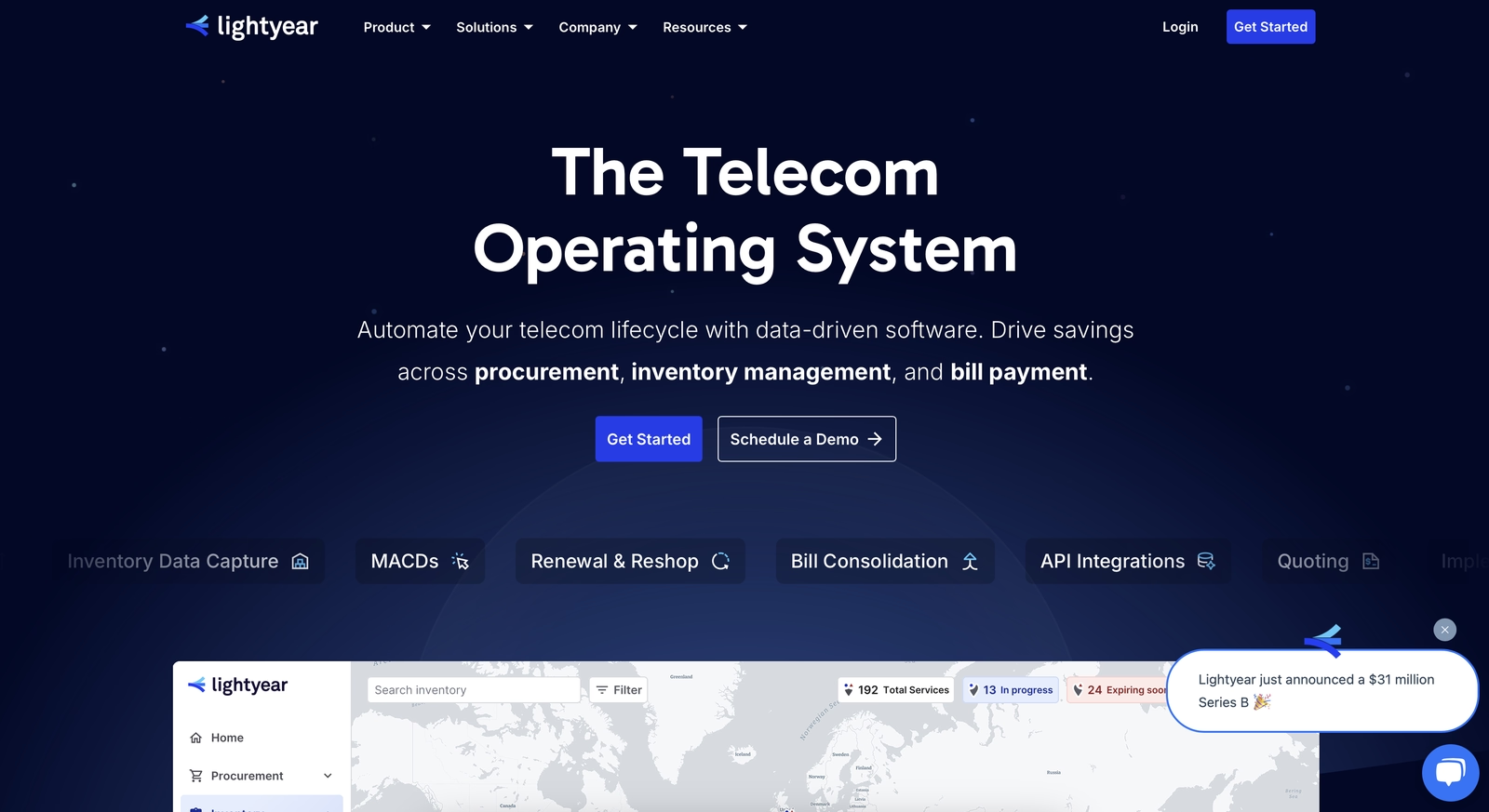
Whether you're evaluating Wi-Fi, Li-Fi, or a hybrid model, managing the procurement and billing for your network can be a major challenge. By automating network service procurement, inventory management, and bill consolidation, Lightyear takes the pain out of telecom infrastructure management.
The hundreds of enterprises who trust Lightyear achieve 70%+ time savings and 20%+ cost savings on their network services. Schedule a demo or get started with our questionnaire today.
Frequently Asked Questions about Li-Fi vs Wi-Fi
Is Li-Fi more expensive to install than Wi-Fi?
Yes, currently. The initial setup for Li-Fi is generally higher due to specialized LED fixtures and device receivers. Wi-Fi hardware is more widespread and affordable, making its initial deployment more budget-friendly for most businesses.
Can Li-Fi work outdoors?
Not effectively. Li-Fi is susceptible to interference from sunlight and requires a controlled light source, making it best for indoor environments. Wi-Fi is the established choice for reliable outdoor wireless coverage.
Will my existing devices work with Li-Fi?
Not natively. Most current laptops and smartphones lack built-in Li-Fi receivers. Connecting to a Li-Fi network requires a special USB dongle or adapter for each device, which adds to the overall cost and complexity.
Does Li-Fi work when the lights are off?
No, the LED lights must be on to transmit data. However, they can be dimmed to a level that is not visible to the human eye while still maintaining the network connection, so the room does not need to be brightly lit.
Let us show you the product and discuss specifics on how it might be helpful.
Schedule a Demo





Revolutionize Your Telecom Experience
Learn how you can get one step closer to optimal business efficiency for all your telecom services.