Comparing LTE Routers and DSL for Enterprises
LTE router vs. DSL for your business? Learn the key differences in speed, reliability, and cost to make the right choice for your enterprise network.

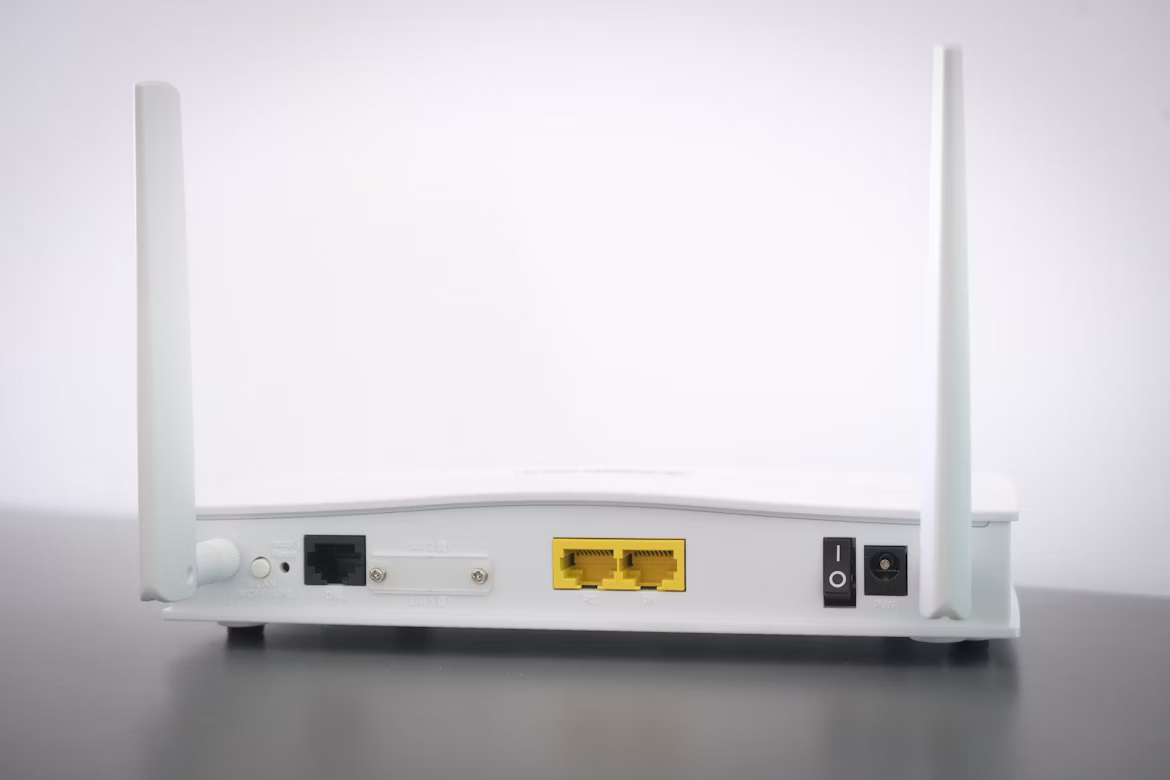
Choosing the right internet connection for your business locations is a critical decision that impacts everything from daily operations to your bottom line. Two common options you'll often encounter are LTE routers and Digital Subscriber Line, or DSL.
While both provide internet access, they operate on fundamentally different technologies, each with distinct advantages and disadvantages for business use. This article will break down the key differences between LTE and DSL to help you determine which solution is the right fit for your enterprise's needs.
What is an LTE Router?
An LTE router is a device that provides internet access by connecting to a 4G LTE cellular network, the same technology your smartphone uses. Instead of relying on a physical cable or phone line, it uses a SIM card to establish a data connection with a nearby cell tower.
Once connected, the router broadcasts a standard Wi-Fi signal and often includes Ethernet ports, creating a local network for your computers, printers, and other business devices to get online. This makes it a flexible option for various business scenarios.
- Wireless Connectivity: It connects to the internet entirely wirelessly through cellular signals, removing the dependency on wired infrastructure.
- SIM Card Operation: The device requires an active SIM card with a data plan from a mobile carrier to function.
- Portability: Because it isn't tied to a physical line, an LTE router can be easily moved and deployed in temporary locations, mobile operations, or areas with poor wired internet options.
- Failover Support: Many businesses use LTE routers as a backup internet source to maintain connectivity if their primary wired connection fails.
What is DSL?
Digital Subscriber Line, or DSL, is a type of internet connection that transmits data over traditional copper telephone lines. Unlike older dial-up services, DSL operates on a different frequency, allowing you to use the internet and your phone line simultaneously.
This technology provides a dedicated, wired connection from the telephone company's central office to your business location. Because it uses existing phone infrastructure, it is a widely available option in many areas.
- Wired Connection: DSL requires a physical copper telephone line to establish an internet connection for your business.
- Uses Existing Infrastructure: It leverages the same telephone lines already installed for voice service, which can make it a straightforward option to deploy.
- Distance Sensitive: The performance and speed of a DSL connection often depend on the distance from your building to the provider's nearest central office.
- Dedicated Line: The connection to the central office is not shared with other subscribers, which can result in more consistent performance.
LTE Router vs DSL: Key Differences
When you look past the basic definitions, the core differences between these two technologies become clear, especially in how they impact business operations and network planning.
1. Underlying Technology and Infrastructure
The most fundamental difference lies in the delivery medium. LTE is a wireless technology that uses radio waves to connect to a carrier's cellular network, completely bypassing the need for physical cables to your site.
DSL, on the other hand, is a wired technology that relies entirely on the legacy copper telephone network. Your connection quality is directly linked to the health and capacity of these physical lines.
2. Availability and Geographic Reach
This difference in infrastructure directly impacts where you can get service. DSL availability is limited to areas with existing telephone lines and is also dependent on your distance from the provider's central office.
LTE service is determined by cell tower coverage. This often makes it a viable, and sometimes only, option in rural areas, new construction zones, or business parks where telco infrastructure is lacking.
3. Mobility and Portability
An LTE router offers true location independence. Because it is not tethered to a physical line, you can deploy it for primary connectivity at a temporary job site or in a vehicle, and then move it elsewhere as needed.
A DSL connection is static. It is provisioned for a specific physical address and cannot be moved, making it suitable for stable, long-term office locations but completely impractical for mobile operations.
4. Reliability and Dependencies
Each technology has different potential points of failure. A DSL connection's stability depends on the integrity of the physical copper line, which can be susceptible to weather, construction damage, or degradation over time.
LTE's reliability is tied to the cellular network's performance. Factors like signal strength, network congestion in a densely populated area, or even physical obstructions can impact its consistency.
Installation and Setup
Getting your service up and running looks quite different for each option, from professional installations to do-it-yourself setups. The process for an LTE router is typically straightforward and fast, while DSL often requires more coordination and lead time.
- LTE Router Setup: The process is designed for self-installation. You simply insert an active SIM card, plug the router into a power source, and can be online in minutes. No technician visit is typically needed, allowing for immediate deployment once you have the device. The main task is finding a location in your facility with strong cell signal.
- DSL Setup: This connection almost always requires a professional technician to visit your site. They must activate the service on the physical phone line and connect the modem, which means you have to schedule an appointment. This can introduce delays of several days or weeks. Once installed, the equipment is tied to that specific phone jack and cannot be easily moved.
Performance and Speed
When it comes to day-to-day use, speed and latency are where you will feel the biggest difference between these two services. The performance of each is governed by its underlying technology, leading to distinct user experiences.
- LTE Performance: LTE can deliver high peak speeds, sometimes exceeding 100 Mbps, making it excellent for data-heavy tasks. However, its performance is variable. Speeds can fluctuate based on your distance from the cell tower, physical obstructions, and the number of other users connected to the same tower. Latency, or delay, is also generally higher on cellular networks, which can impact real-time applications like VoIP or video conferencing.
- DSL Performance: DSL offers a more consistent and predictable connection. Since you have a dedicated line to the provider's office, your speeds are not affected by other customers' usage. Latency is typically lower and more stable than LTE, making it a reliable choice for applications that require a steady connection. The main limitation is that maximum speeds are directly tied to your distance from the central office—the farther away you are, the slower your service will be.
Cost Considerations
The financial breakdown for LTE and DSL is quite different, moving beyond just the monthly bill to include hardware, installation, and data consumption models.
- LTE Costs: The primary expense is the monthly data plan, which is tied to usage and can become costly for data-intensive operations. While you save on installation fees with a self-setup, the initial hardware cost for an enterprise-grade router can be significant. The variable nature of the data plan makes budgeting less predictable.
- DSL Costs: This service typically comes with a predictable, flat monthly fee based on a contracted speed, making budgeting straightforward. You may face a one-time installation fee for a technician visit, but the required modem is often less expensive than a business-class LTE router.
Making the Right Choice for Your Business
Ultimately, choosing between an LTE router and DSL comes down to your specific business requirements. The right fit depends on your operational needs for speed, stability, and location.
If your business values mobility, needs a backup connection, or operates in areas without wired infrastructure, an LTE router is the superior option. It offers rapid deployment and location independence.
However, if your priority is a highly stable, predictable connection for a fixed office location, DSL is often the more practical choice. Its low latency and consistent performance are ideal for everyday business applications.
Need Help Managing Your Network? Lightyear Can Help
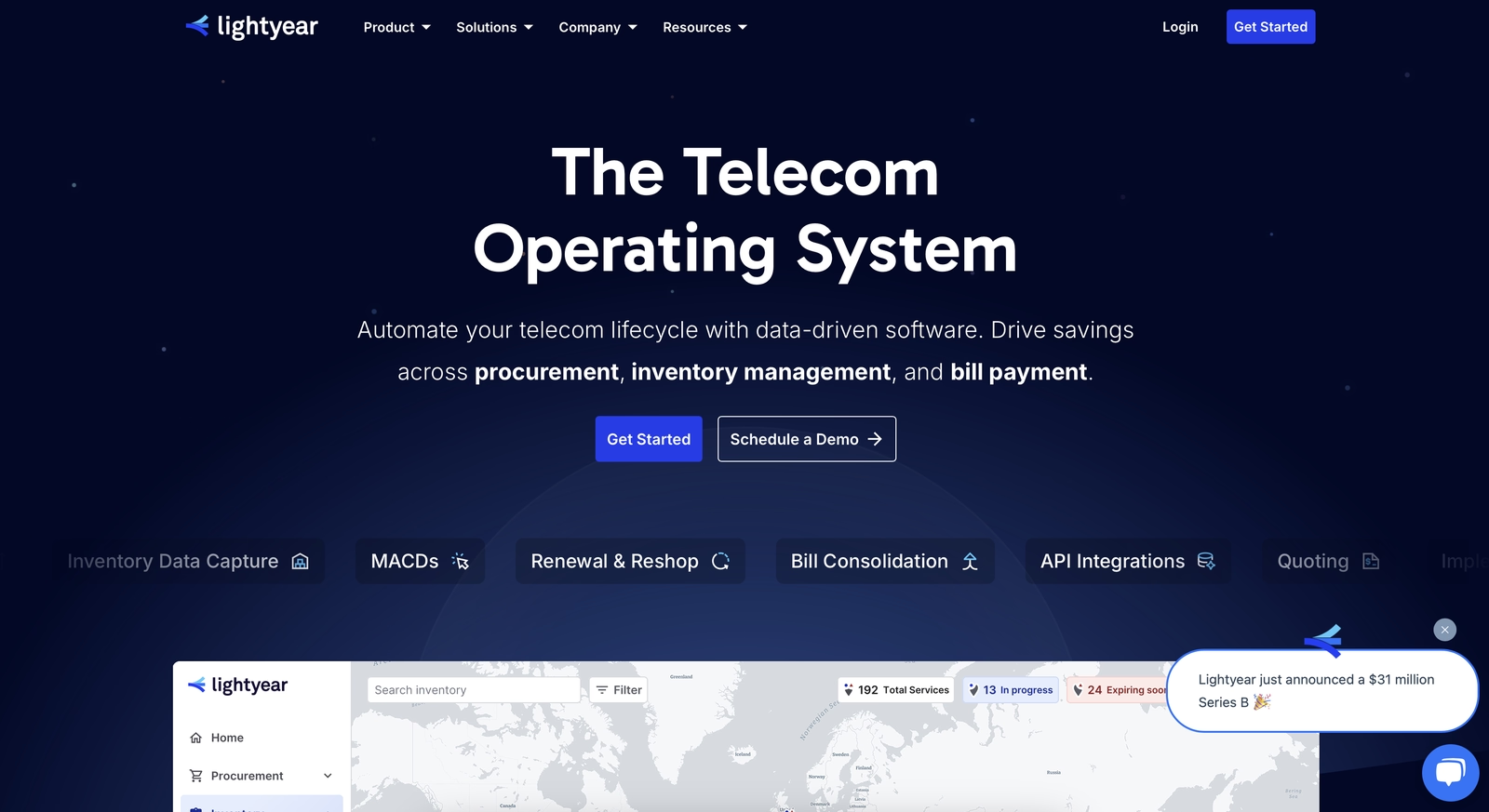
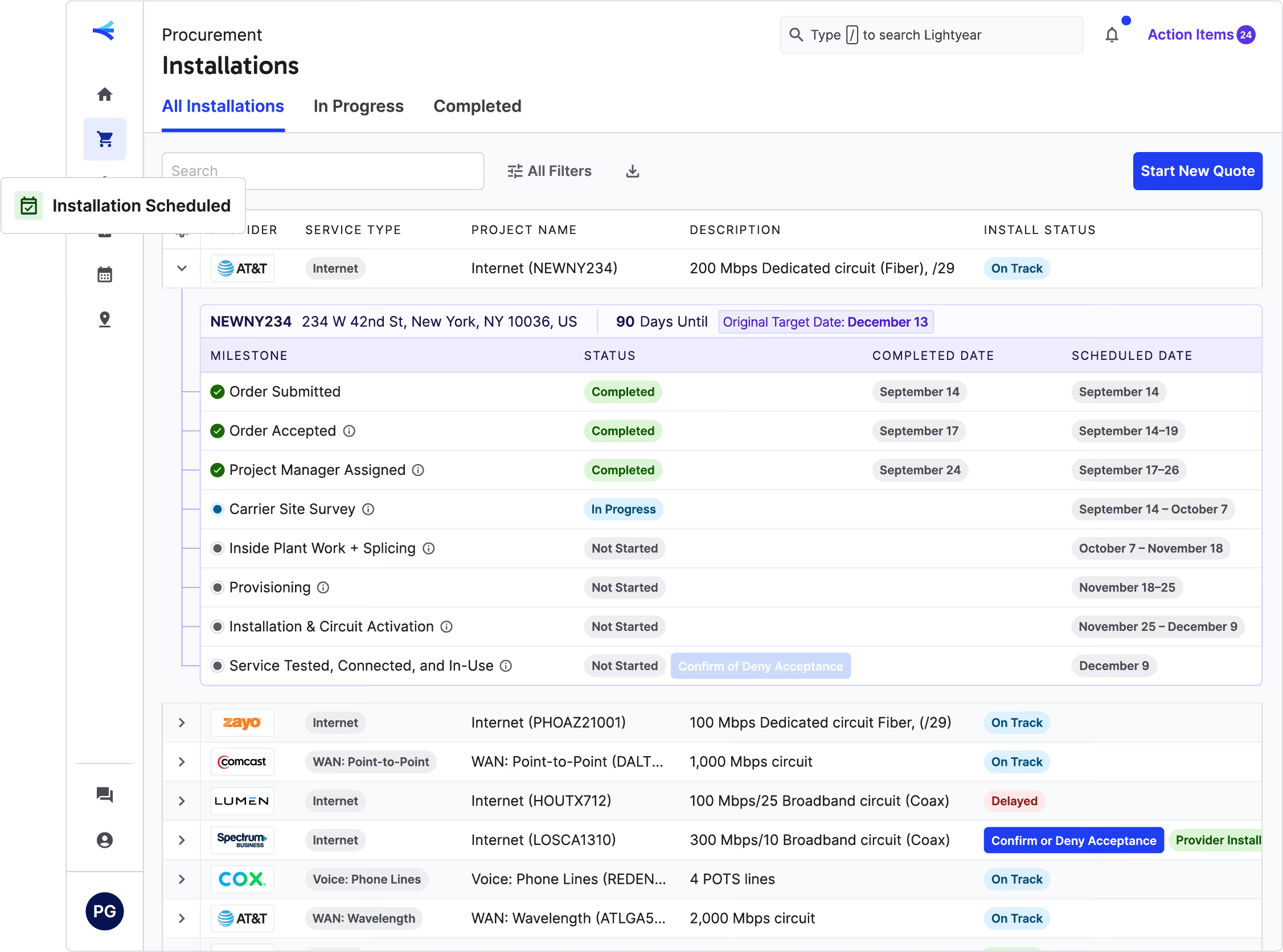
Deciding between LTE and DSL is just the first step. Lightyear’s platform automates the entire telecom lifecycle, from procuring the best option for each site to managing your network inventory and consolidating bills.
By automating these processes, the hundreds of enterprises who trust Lightyear achieve over 70% in time savings and 20% in cost savings on their network services. Schedule a demo or get started with our questionare today.
Frequently Asked Questions about LTE Router vs DSL
Is one connection type more secure than the other?
Both can be highly secure with proper configurations like firewalls and VPNs. DSL has a private physical line, while LTE relies on carrier-grade encryption. For most businesses, the security level depends more on your own network setup than the connection type itself.
Is DSL technology becoming obsolete?
While fiber is replacing it in many urban areas, DSL remains a vital and cost-effective option in regions where fiber isn't available. Many providers continue to support their DSL infrastructure, making it a reliable choice for fixed locations without other wired options.
Can I use an LTE router as my only internet source?
Absolutely. Many businesses use LTE for primary connectivity, especially in remote areas, for temporary sites, or in vehicles. It's a strong choice if your data needs are moderate and you value flexibility over achieving the lowest possible latency.
Does weather impact LTE and DSL differently?
Yes. DSL's physical copper lines can be damaged by severe weather like flooding or falling trees. LTE is more susceptible to heavy rain or atmospheric conditions that can weaken the cellular signal, but it is not vulnerable to physical line cuts from storms.
Let us show you the product and discuss specifics on how it might be helpful.
Schedule a Demo





Revolutionize Your Telecom Experience
Learn how you can get one step closer to optimal business efficiency for all your telecom services.