Massive MIMO vs Beamforming: Telecom Technology Comparison
Massive MIMO vs. Beamforming: A clear guide for IT leaders. Learn how these related 5G technologies improve network capacity and signal coverage.

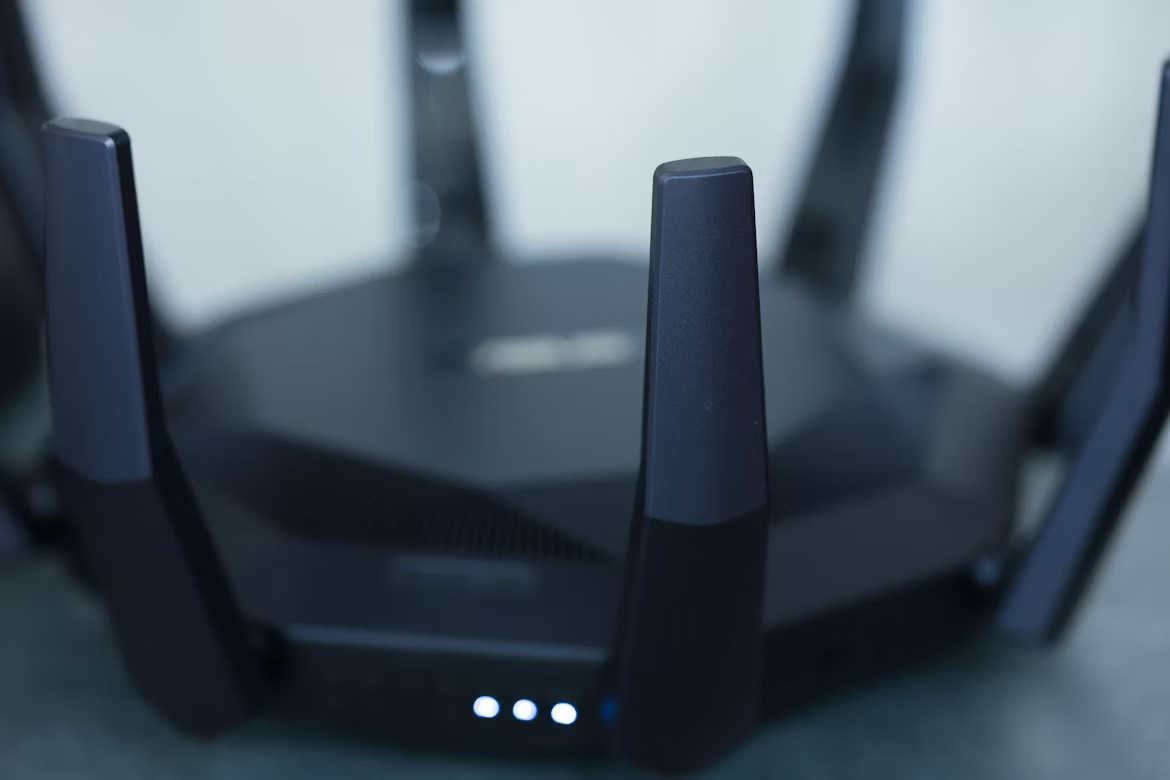
If you're involved in enterprise networking, you've likely come across the terms Massive MIMO and beamforming, especially in conversations about 5G.
They are often mentioned together, which can create some confusion. While the two technologies are closely related, they refer to different functions that improve wireless network performance.
This article will explain what each one is, how they differ, and how they work in tandem to deliver faster and more reliable connectivity.
What is Massive MIMO?
Massive MIMO (Multiple-Input, Multiple-Output) is a wireless technology that equips base stations with a very large number of antennas—often dozens or even hundreds. It’s an advanced version of the standard MIMO technology found in many 4G and Wi-Fi networks.
This large antenna array allows the network to send and receive signals from many different users simultaneously, all over the same frequency channel. This dramatically increases the overall capacity and efficiency of the wireless network.
Here’s what that means in practice:
- Increased Capacity: The system can handle significantly more traffic and support a higher density of connected devices without a drop in performance.
- Improved Spectral Efficiency: It transmits more bits of data per second over a given frequency channel, making better use of limited spectrum resources.
- Enhanced Reliability: With more antennas, the network can create more robust signal paths, which helps overcome interference and signal fading for a more stable connection.
What is Beamforming?
Beamforming is a signal processing technique that focuses a wireless signal toward a specific receiving device, rather than broadcasting it in all directions. Think of it as the difference between a lantern that spreads light everywhere and a spotlight that illuminates a single point.
This is accomplished by precisely controlling the signals sent from multiple antennas. By adjusting the timing (phase) of these signals, they are made to combine constructively at the target device, creating a stronger connection. At the same time, they cancel each other out in other directions.
The practical results of this focused approach include:
- Improved Signal Strength: Directing the signal energy to the user results in a more robust and reliable connection, even at the edge of a cell's coverage area.
- Reduced Interference: Since the signal is not broadcast widely, it causes less interference for other users on the network, improving overall performance.
- Increased Battery Life: Devices don't have to work as hard to maintain a connection, which can lead to better battery efficiency.
Massive MIMO vs Beamforming: Key Differences
While they work together to boost network performance, their core functions are quite different. Here’s a breakdown of the key differences to help clarify their roles.
1. Hardware vs. Technique
The most fundamental difference lies in what they are. Massive MIMO is a hardware-based technology, defined by equipping a base station with a very large number of antennas.
Beamforming, in contrast, is a smart signal-processing technique. It’s the method used to control and direct the wireless signals transmitted from those antennas.
2. Capacity vs. Signal Quality
Their primary objectives also differ. Massive MIMO is designed to radically increase overall network capacity and efficiency, allowing it to handle far more simultaneous users and data traffic.
Beamforming’s main job is to improve the signal quality, strength, and range for an individual user. It accomplishes this by creating a dedicated, stronger link to the device, which also reduces interference.
3. A Necessary Partnership
Perhaps the most crucial point is that Massive MIMO and beamforming are not mutually exclusive—they are codependent. A Massive MIMO system relies on beamforming to manage its complex signal environment.
Without beamforming, the signals from dozens or hundreds of antennas serving multiple users would create a chaotic mess of interference. Beamforming brings order to that chaos by precisely steering each signal to its intended recipient, making the entire system work as intended.
Benefits of Massive MIMO for Enterprises
For enterprises, the advantages of Massive MIMO translate directly to operational improvements. It provides the raw capacity needed to support modern business operations and future growth.
- Greater Network Scalability: It allows your network to comfortably support a high concentration of devices—from employee laptops and phones to a growing number of IoT sensors—without performance degradation. This is crucial for dense office environments or smart factories.
- Superior Reliability for Business Applications: By creating more stable signal paths, it ensures that critical applications like VoIP, video conferencing, and cloud-based systems run smoothly, minimizing disruptions and downtime.
- Consistent Coverage Across Large Facilities: The technology helps deliver more uniform and dependable connectivity throughout large spaces like corporate campuses, warehouses, or manufacturing floors, reducing frustrating dead zones.
Advantages of Beamforming in Network Optimization
While Massive MIMO expands network capacity, beamforming fine-tunes performance for individual connections. For an enterprise, this targeted approach to signal delivery leads to tangible network improvements.
- Targeted Resource Allocation: Beamforming allows the network to intelligently allocate power and resources where they are needed most. This ensures high-priority devices or users receive the strongest possible signal without wasting energy broadcasting elsewhere.
- Improved Performance in Dense Environments: In busy offices or on factory floors with many connected devices, beamforming minimizes signal crosstalk. This reduces packet loss and retransmissions, leading to a more stable and efficient network for everyone.
- Extended Range and Coverage: By concentrating signal energy, beamforming can effectively extend the usable range of your access points. This helps cover hard-to-reach areas and provide a more consistent user experience across your facility.
Challenges and Considerations
While these technologies offer significant performance gains, implementing them comes with its own set of practical considerations. Understanding these challenges is important for network planning.
For Massive MIMO, the main hurdle is the hardware itself. Base stations with a large number of antennas are more complex and costly to deploy. They also require more physical space and can have higher power consumption compared to traditional setups.
Beamforming, on the other hand, introduces computational demands. The system needs powerful processing to continuously calculate and adjust signal paths for every connected device in real time.
The effectiveness of both technologies also depends on the physical environment. Obstructions can interfere with signal paths, so careful network design is necessary to ensure reliable coverage. Finally, for beamforming to work optimally, client devices must also be compatible to communicate their location and channel conditions back to the base station.
Making the Right Choice for Your Enterprise
When it comes to your enterprise network, the decision isn't about choosing Massive MIMO or beamforming. Instead, it's about understanding that they are two sides of the same coin, working together to deliver superior wireless performance.
Massive MIMO provides the high-capacity hardware foundation, allowing your network to support a large number of devices simultaneously. Beamforming is the intelligent technique that directs signals from that hardware, providing each device with a strong, stable connection and minimal interference.
For IT and network leaders, the key is to look for wireless solutions where these technologies are well-integrated. Your procurement process should focus on how a provider's system uses both to solve your specific challenges, whether that's high device density in an office or consistent coverage across a large warehouse.
Ultimately, a clear grasp of how Massive MIMO and beamforming function as a team will help you make more informed investments in your network infrastructure.
Need Help Managing Your Network? Lightyear Can Help
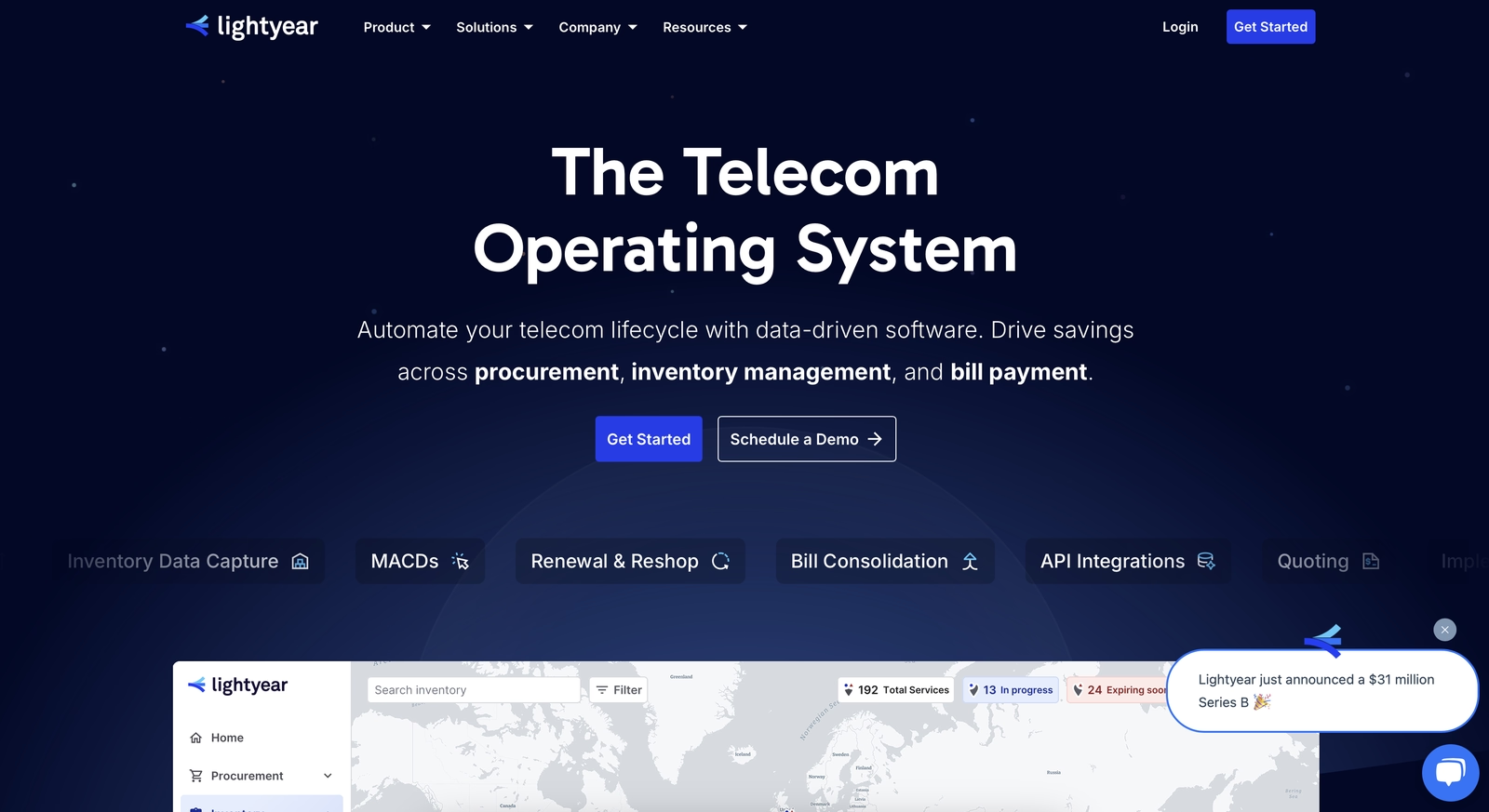
Understanding technologies like Massive MIMO and beamforming is key to building a powerful network. Managing that network's lifecycle, from procurement to billing, is just as important for business efficiency.
By automating network service procurement, inventory management, and bill consolidation, Lightyear takes the pain out of telecom infrastructure management. The hundreds of enterprises who trust Lightyear achieve 70%+ time savings and 20%+ cost savings on their network services.
Schedule a demo or get started with our questionare today.
Frequently Asked Questions about Massive MIMO vs Beamforming
Is Massive MIMO exclusive to 5G networks?
While it is a foundational technology for 5G, the principles of Massive MIMO are also being applied to advanced 4G LTE and future Wi-Fi standards. Its benefits are most pronounced in the high-frequency bands that 5G networks often use.
Can beamforming work without a Massive MIMO system?
Yes, beamforming is a feature in many modern wireless systems, including standard MIMO on 4G and Wi-Fi networks. However, it is an essential signal-processing technique that makes the large-scale antenna arrays of Massive MIMO systems work effectively.
Do our company's devices need special support for Massive MIMO?
No, your devices do not need specific "Massive MIMO support," as the technology is implemented at the base station. For best results, devices simply need to support the underlying network standard (like 5G) and be able to report channel conditions for beamforming.
How do these technologies apply to enterprise Wi-Fi?
Both are key features in modern standards like Wi-Fi 6 (802.11ax). In dense office environments, they help manage network congestion and interference, improving connection speed and reliability for every device on your wireless LAN.
Let us show you the product and discuss specifics on how it might be helpful.
Schedule a Demo





Revolutionize Your Telecom Experience
Learn how you can get one step closer to optimal business efficiency for all your telecom services.