Media Gateway vs Router: Differences Explained
Media gateways translate voice between different networks. Routers direct data on IP networks. Learn the key differences and when to use each one.

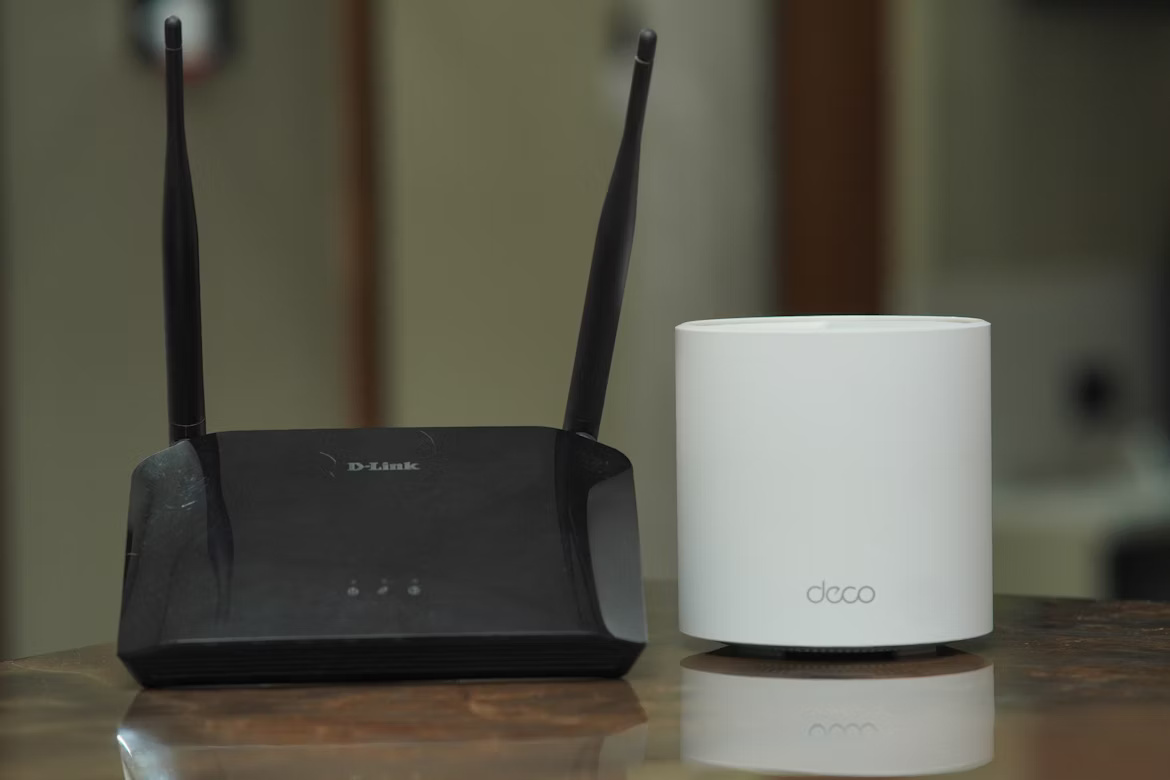
When building or managing a business's communication network, you'll often encounter the terms 'media gateway' and 'router'. While both are critical components for network connectivity, they serve distinct functions and are not interchangeable.
Understanding the specific role of each device is key to designing an efficient and cost-effective network. This article will explain the core differences, helping you make informed decisions for your organization's telecom infrastructure.
What is a Media Gateway?
A media gateway acts as a translator, connecting different types of communication networks. Think of it as a bridge that allows older, traditional phone systems to talk to modern, internet-based ones. Its main job is to convert media streams from one protocol or format to another, ensuring that voice, video, and fax communications can flow smoothly between otherwise incompatible systems.
- Protocol Translation: It converts signaling and media protocols between different network types, such as from the Public Switched Telephone Network (PSTN) to a Voice over IP (VoIP) network.
- Media Conversion: It handles the conversion of different media formats, like changing Time-Division Multiplexing (TDM) voice traffic into IP packets for transport over the internet.
- Connectivity: It provides a physical connection point between legacy telecom equipment (like PBXs) and modern IP networks, allowing them to interoperate.
What is a Router?
A router is a networking device that directs data traffic between different computer networks. Its primary role is to connect your local network (like your office LAN) to the internet, ensuring data packets reach their correct destination. It essentially acts as a traffic controller for your network's data, making decisions on the best path for information to travel.
- Packet Forwarding: It analyzes the destination IP address of incoming data packets and uses a routing table to forward them along the most efficient path.
- Network Management: A router creates and manages a local area network (LAN), assigning unique IP addresses to all connected devices and managing their communication.
- Security: Most modern routers include built-in firewall capabilities, providing a first line of defense by filtering traffic to protect the network from unauthorized access.
Key Differences Between Media Gateways and Routers
While both devices manage network traffic, their core responsibilities and how they operate are fundamentally different. The main distinctions come down to their primary function, the network layer they operate on, and the type of traffic they are designed to handle.
Core Purpose: Translation vs. Traffic Direction
The most significant difference lies in their primary job. A media gateway is a specialized translator, converting communication from one format to another, like changing voice signals from a traditional phone line into data for a VoIP network.
In contrast, a router is a traffic director. It forwards data packets between networks without changing their content, simply ensuring they get to the right destination address.
Operational Layer
This functional difference is rooted in where they operate within the network architecture. Routers work at the Network Layer (Layer 3), making decisions based solely on IP addresses to forward packets.
Media gateways function at higher layers, often up to the Application Layer (Layer 7). This is because they must understand and manipulate the actual media content itself, not just its address.
Traffic Specialization
A router is a generalist, designed to handle any type of IP data, whether it's an email, a webpage, or a file download. It treats all data packets similarly, focusing only on their destination.
A media gateway is a specialist. It is built specifically to process real-time media streams like voice and video, ensuring the quality and compatibility of that specific type of traffic between different systems.
Use Cases for Media Gateways
Media gateways are typically deployed in scenarios where different communication technologies need to work together. They are essential for businesses looking to modernize their infrastructure without a complete overhaul.
- Gradual VoIP Migration: If your organization is moving from a traditional PBX system to VoIP, a media gateway allows you to connect your existing equipment to the new IP network. This facilitates a phased transition, protecting your initial investment.
- PSTN Connectivity: A gateway connects your internal IP network to the Public Switched Telephone Network (PSTN). This is critical for placing and receiving calls between your VoIP system and customers or partners using traditional landlines or mobile phones.
- Unifying Multi-Site Offices: For companies with multiple locations using a mix of legacy and modern phone systems, a gateway can connect these different networks, allowing for unified inter-office communication.
- Supporting Fax over IP (FoIP): They allow traditional fax machines to operate over an IP network, preserving an important business function while moving away from analog lines.
Use Cases for Routers
Routers are the backbone of data networking, essential for connecting devices to each other and to the outside world. Their use cases are centered on managing and directing data packets efficiently and securely.
- Internet and WAN Connectivity: The most fundamental role of a router is to connect a local office network (LAN) to the internet or a wider network (WAN). It manages all data traffic, allowing employees to access cloud applications and online resources.
- Connecting Multiple Locations: For companies with several offices, routers are used to create a secure Wide Area Network (WAN). This allows different sites to share data and internal resources as if they were on a single network.
- Network Segmentation: Routers can divide a large network into smaller subnetworks. This is often used to improve security and manage performance, for example, by separating a guest Wi-Fi network from the internal corporate network.
- Basic Network Security: Acting as the primary gateway for all traffic, most business-grade routers include built-in firewall capabilities to filter malicious traffic and protect the internal network from external threats.
Choosing the Right Solution for Your Enterprise
Deciding between a media gateway and a router comes down to identifying the primary job you need the device to perform. Your choice will depend on whether your main goal is connecting different communication systems or directing data traffic.
Choose a Media Gateway for Voice and Media Translation
If your project involves connecting different types of communication networks, a media gateway is the right tool. Select a gateway when you need to translate voice or video traffic between a traditional phone system (PSTN) and a modern IP-based network (VoIP).
It is the essential component for integrating legacy equipment with new systems or enabling voice calls to travel outside your IP network.
Choose a Router for Data and Internet Connectivity
If your primary need is to connect your office computers and devices to the internet or to link multiple office locations together, you need a router. A router’s job is to direct data packets to their correct destination across networks.
It manages your local network and acts as the traffic controller for all your internet-bound data.
Do You Need Both?
In many modern business environments, the answer is yes. It's not always an either/or decision. A router is fundamental for all data networking, while a media gateway is a specialized addition for voice integration.
Your organization will use a router for its core internet and data needs, and you will add a media gateway specifically when you need to bridge the gap between your VoIP system and other communication networks.
Final Thoughts on Media Gateways and Routers
Ultimately, media gateways and routers are not interchangeable, but they often work together. The key is to remember their distinct roles: a router directs data traffic, while a media gateway translates media streams between different systems, like PSTN and VoIP.
Your choice depends entirely on the job at hand. If you need to connect to the internet or link office networks, you need a router. If you must integrate older phone equipment with a modern IP network, a media gateway is the necessary tool. Understanding this distinction is the first step toward building an efficient and cost-effective network.
Need Help Managing Your Network? Lightyear Can Help
Whether you're deploying media gateways, routers, or both, managing the underlying telecom services can be a major challenge. By automating network service procurement, inventory management, and bill consolidation, Lightyear takes the pain out of your telecom infrastructure.
The hundreds of enterprises who trust Lightyear achieve over 70% time savings and 20% cost savings on their network services.
Schedule a demo or get started with our questionnaire today.
Frequently Asked Questions about Media Gateway vs Router
Can one device act as both a router and a media gateway?
Yes, some devices like Session Border Controllers (SBCs) or Integrated Access Devices (IADs) combine these roles. For larger networks, however, using separate, dedicated devices for routing and media translation typically ensures better performance and reliability.
How do they handle Quality of Service (QoS) for voice calls?
A router uses QoS to prioritize voice packets over other data. A media gateway is more specialized, actively managing things like jitter and latency during the translation process itself to maintain high call quality between different networks.
Is a media gateway always a physical device?
Not necessarily. While many are hardware appliances, virtual media gateways are also common. These software-based solutions can run on standard servers or in the cloud, offering more flexibility and scalability for your infrastructure.
Does a media gateway replace my router?
No, it complements it. A router is essential for all data and internet connectivity. A media gateway is a specialized tool added to the network specifically to translate media streams, like connecting a VoIP system to the traditional phone network.
Let us show you the product and discuss specifics on how it might be helpful.
Schedule a Demo




Revolutionize Your Telecom Experience
Learn how you can get one step closer to optimal business efficiency for all your telecom services.