Mesh Router vs Regular Router: Enterprise Comparison
Mesh vs. regular router for your business? Learn the key differences in coverage, scalability, and cost to make the right choice for your network.

When it comes to business internet, selecting the right router is fundamental for keeping your operations running smoothly. Your choice directly impacts network reliability, speed, and how easily your team can connect and work.
Two primary options often come up in this discussion: the regular, single-point router and the more distributed mesh Wi-Fi system. Understanding how they differ in coverage, scalability, and cost is key to making a smart investment for your company's infrastructure.
What is a Mesh Router?
A mesh router system is designed to blanket a large area with consistent Wi-Fi coverage by using multiple access points. Instead of relying on a single router to broadcast a signal, a mesh network uses a main router and several satellite "nodes" placed throughout your office or facility.
- It creates a single, unified network under one name (SSID). Your devices automatically connect to the nearest node for the strongest signal without any manual switching.
- The nodes communicate with each other, not just with the main router. This creates multiple pathways for data, ensuring a stable and efficient connection even if one node is obstructed.
- This setup is built to eliminate dead zones and provide reliable internet access across complex layouts, multiple floors, or large commercial spaces.
What is a Regular Router?
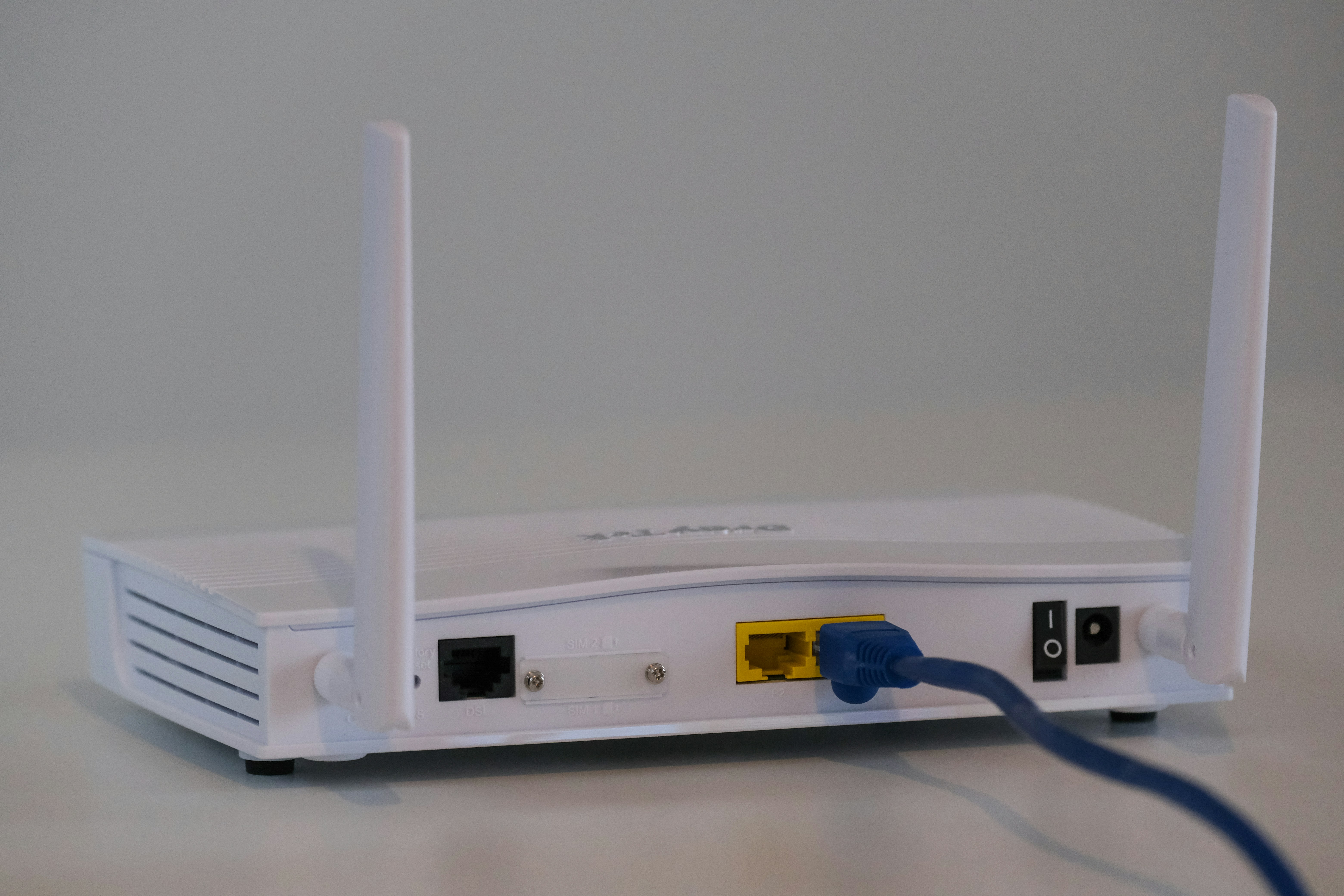
A regular router is a single device that creates a Wi-Fi network from one central point. It acts as a standalone hub, broadcasting a wireless signal from its location to connect your devices to the internet. This is the type of router most people are familiar with for home or small office use.
- It provides a single point of access. All devices on the network connect to this one router.
- Signal strength is strongest closest to the unit and weakens with distance or when passing through obstructions like concrete walls or metal fixtures.
- This can lead to inconsistent performance or "dead zones" in larger spaces or areas far from the router's physical location.
Key Differences Between Mesh Routers and Regular Routers
While both systems connect you to the internet, their approaches to coverage, scalability, and management are fundamentally different.
Coverage and Performance
A regular router broadcasts its signal from a single location. Performance degrades the farther a device is from the router, and physical barriers like walls can create dead zones.
A mesh system uses multiple nodes to create a wide net of coverage. This design delivers a more consistent signal strength across a larger area, as devices can connect to the nearest node instead of a distant central router.
Scalability
Expanding a regular router's reach often involves adding a Wi-Fi extender. This can be effective, but it typically creates a separate network with a different name (SSID), requiring manual switching between them.
Mesh networks are built for easy expansion. You can add more nodes to the system at any time to extend coverage into new areas, and they all integrate into the existing single network automatically.
Management and Simplicity
Managing a mesh network is typically done through a single mobile app or web interface. This gives you a centralized view of all connected devices and nodes, simplifying administration.
A regular router is managed through its own interface. If you add extenders from different brands, you may end up managing multiple devices through separate interfaces, which can complicate network oversight.
Cost
A high-performance regular router is often less expensive upfront than a multi-node mesh system. However, the final cost depends on the size of the area you need to cover. For very large spaces, a mesh system may become more cost-effective than purchasing multiple high-end routers or complex extender setups.
Advantages of Mesh Routers
For businesses, the benefits of a mesh system extend beyond just eliminating dead zones. They are designed for stability and straightforward administration, which is critical in a professional environment.
- Greater Network Resilience: Mesh systems are self-healing. If one node fails or its signal is obstructed, the network automatically reroutes data traffic through the healthiest, most efficient path. This built-in redundancy minimizes downtime and keeps your operations connected.
- Centralized Management: The entire network is controlled through a single interface. This allows IT teams to monitor device health, manage security settings, and set up guest access for the whole property from one place, saving significant administrative time.
- Flexible and Clean Installation: Because the satellite nodes are typically compact and communicate wirelessly with the main router, they can be placed strategically for optimal coverage without requiring extensive ethernet cabling throughout the building.
Advantages of Regular Routers
While mesh systems excel in large spaces, a traditional router remains a powerful and practical choice for many business scenarios, offering its own distinct benefits.
- Cost-Effectiveness for Smaller Areas: For a small office, retail shop, or any business operating within a contained space, a single high-performance router is typically more affordable than a multi-node mesh system. It delivers the necessary performance without the expense of hardware you don't need.
- Advanced Configuration and Control: Many regular routers offer a deep level of customization through their web interface. This is a key advantage for IT teams that need granular control over network settings like Quality of Service (QoS), VPN passthrough, and specific port forwarding rules.
- Simplicity in Deployment: With just one piece of hardware to install and configure, a regular router is the definition of a straightforward solution. This makes it ideal for businesses that need reliable internet access up and running quickly, with minimal setup complexity.
Choosing the Right Router for Your Enterprise
Making the right choice comes down to your specific business environment and operational needs. The decision hinges on your physical space, IT resources, and performance requirements.
When to Choose a Mesh System
A mesh system is the logical choice for businesses operating in large or complex spaces. Think multi-story offices, sprawling warehouses, or properties with thick walls where a single router would struggle.
If your priority is providing consistent, reliable coverage everywhere and eliminating dead zones, mesh is designed for the job. It’s also ideal for teams that prefer straightforward, centralized management of the entire network through a single application.
When a Regular Router Makes Sense
A high-quality regular router is often the most practical and economical solution for smaller, single-level offices or retail locations. If your workspace is relatively open and contained, a single access point can provide all the performance you need.
This option is also preferable for IT departments that require granular control over network configurations, such as specific port forwarding or Quality of Service (QoS) settings for prioritizing traffic.
Final Thoughts on Mesh vs Regular Routers
Ultimately, the choice between a mesh and a regular router comes down to your specific environment. There isn't a single "better" option, only the right fit for your operational needs.
A mesh system is built for large or complex layouts where consistent coverage is paramount. It offers simple, centralized management ideal for busy IT teams.
In contrast, a regular router provides a powerful, cost-effective solution for smaller, contained offices. It also gives technical teams the detailed configuration control they often require. By evaluating your space and IT priorities, you can make a confident decision.
Need Help Managing Your Network? Lightyear Can Help

Once you've chosen your hardware, the next step is managing it. Lightyear's platform helps you procure, track, and pay for all your network services and hardware in one place.
By automating network service procurement, inventory management, and bill consolidation, we take the pain out of telecom infrastructure management. Enterprises using Lightyear report over 70% in time savings and 20% in cost savings.
Schedule a demo or get started with our questionnaire today.
Frequently Asked Questions about Mesh Router vs Regular Router
Is a mesh network less secure than a regular router?
Not inherently. Security depends on the manufacturer and proper configuration. Both systems support modern security standards like WPA3. Mesh systems can offer an advantage through automatic firmware updates across all nodes, ensuring consistent protection throughout your network.
Does adding more nodes to a mesh system slow down my internet speed?
Not necessarily. While there is a tiny amount of latency per "hop," modern tri-band mesh systems use a dedicated backhaul channel for node-to-node communication. This prevents network congestion and maintains high speeds across your entire coverage area.
Can I still use wired ethernet connections with a mesh system?
Yes, absolutely. Most mesh routers and satellite nodes come equipped with ethernet ports. This allows you to connect stationary devices like desktop computers, printers, or servers directly for a stable, wired connection while benefiting from wide wireless coverage.
Let us show you the product and discuss specifics on how it might be helpful.
Schedule a Demo





Revolutionize Your Telecom Experience
Learn how you can get one step closer to optimal business efficiency for all your telecom services.