Mobile Edge vs Multi-Access Edge Computing
Mobile Edge vs. Multi-Access Edge Computing: Learn the key differences and see how one evolved from the other to support more than just mobile networks.


If you're exploring edge computing, you've likely come across two terms that sound very similar: Mobile Edge Computing and Multi-Access Edge Computing. They are often used interchangeably, which can create confusion when evaluating solutions for your network.
The reality is that one term is an evolution of the other, reflecting a broader scope of application. This article will explain the specific differences between them to help you make more informed decisions for your enterprise's IT infrastructure.
What is Mobile Edge Computing (MEC)?
Mobile Edge Computing, or MEC, was the original term for this technology. It describes a network architecture that moves computing power and storage from distant data centers to the edge of the mobile network, specifically at the Radio Access Network (RAN).
The primary goal was to improve performance for mobile users. Here’s a breakdown of its key characteristics:
- Proximity to Users: MEC servers are located at cellular base stations, very close to mobile devices.
- Reduced Latency: By processing data locally instead of sending it to a central cloud, MEC significantly lowers response times for mobile applications.
- Network Decongestion: It helps ease traffic on the core mobile network by handling data-intensive tasks at the edge.
- Telco-Centric: MEC was initially developed and standardized by telecom operators to enhance their mobile network services.
What is Multi-Access Edge Computing (MEC)?
As the name suggests, Multi-Access Edge Computing is the evolution of the original concept. The European Telecommunications Standards Institute (ETSI) updated the term to reflect that the technology supports more than just mobile networks. It represents a shift toward a more inclusive and versatile edge architecture.
While the core goal of reducing latency remains, its scope is much broader:
- Broader Connectivity: It supports various network access types beyond cellular, including Wi-Fi, DSL, and fixed wireless access.
- Wider Use Cases: This flexibility makes it ideal for a larger range of applications, such as industrial IoT, augmented reality, and enterprise services that rely on different networks.
- Open Ecosystem: It promotes an open environment, allowing application developers and content providers to run services at the network edge, regardless of the access technology.
Key Differences Between Mobile Edge Computing and Multi-Access Edge Computing
While the core idea of bringing computing closer to the user is the same, the main distinctions lie in their scope and flexibility. Here’s a simple breakdown of the differences.
1. Network Access Type
The most significant difference is the type of network each supports. Mobile Edge Computing is tied exclusively to cellular networks, such as 4G/LTE and 5G.
In contrast, Multi-Access Edge Computing is technology-agnostic. It is designed to work with a variety of connection types, including Wi-Fi, DSL, and fixed wireless access, making it far more versatile for enterprise environments.
2. Application Scope
Mobile Edge Computing was initially focused on improving services for mobile subscribers, like enhancing video streaming or mobile gaming performance.
Multi-Access Edge Computing addresses a much broader set of use cases. It supports enterprise and industrial applications, from processing IoT sensor data on a factory floor to powering local augmented reality experiences for retail.
3. Ecosystem and Control
The original Mobile Edge Computing model was largely driven and controlled by mobile network operators. The ecosystem was built around their services.
Multi-Access Edge Computing promotes a more open environment. It allows businesses and third-party developers to deploy their own applications on the edge, creating more opportunities for custom solutions independent of a single network provider.
Benefits of Mobile Edge Computing for Enterprises
While Multi-Access Edge Computing offers broader applications, the original Mobile Edge Computing model still provides distinct advantages, especially for businesses that rely heavily on cellular connectivity for their operations.
- Lower Latency for Mobile Devices: By processing data at the edge of the cellular network, response times for applications on company smartphones and tablets are significantly faster. This is critical for real-time operations like mobile point-of-sale systems or field service applications.
- Reduced Core Network Strain: Handling data locally prevents the core mobile network from becoming congested. This results in more reliable and consistent performance for all your business's mobile-connected devices.
- Enhanced Security: Processing sensitive information closer to the source device on the mobile operator's secure edge reduces the distance it needs to travel, minimizing opportunities for interception compared to sending it to a public cloud.
Advantages of Multi-Access Edge Computing in Business
Because Multi-Access Edge Computing supports more than just cellular networks, it opens up a wider range of benefits for enterprise environments that rely on diverse connectivity.
- Greater Flexibility: It integrates with existing enterprise networks like Wi-Fi and fixed lines, not just cellular. This allows you to deploy edge services across all your on-site infrastructure, from office buildings to factory floors.
- Broader Application Support: Its network-agnostic approach is ideal for stationary, high-bandwidth applications common in business settings, such as real-time video analytics from security cameras or processing data from industrial IoT sensors.
- Increased Innovation and Control: The open ecosystem gives your IT team the freedom to work with various application developers and service providers. This helps avoid vendor lock-in and allows for the creation of custom solutions for specific business processes.
Challenges and Considerations for Implementing Edge Computing
While the benefits are compelling, implementing an edge strategy comes with its own set of hurdles that require careful planning.
1. Implementation Costs and Complexity
Deploying edge infrastructure involves a significant upfront investment in hardware, software, and integration. The initial cost of setting up servers at multiple edge locations can be substantial.
Furthermore, the complexity of integrating this new layer into your existing network architecture can demand specialized expertise and resources, adding to the overall project scope.
2. Security in a Distributed Environment
Although edge computing can improve security by processing data locally, it also creates a larger attack surface. Each edge node is a new potential point of entry that must be individually secured, patched, and monitored.
This distributed model requires a robust security strategy that extends far beyond the traditional perimeter of a central data center.
3. Management and Orchestration
Overseeing a distributed network of edge locations is a considerable operational challenge. IT teams need effective tools to consistently deploy, update, and troubleshoot applications across dozens or even hundreds of sites.
This is especially true for Multi-Access Edge Computing, where you might be managing services across different network types like Wi-Fi and cellular, each with its own requirements.
Making the Right Choice for Your Enterprise
Choosing between Mobile and Multi-Access Edge Computing comes down to your specific business needs. The right answer depends entirely on the applications you run and the networks you use. Here’s a simple guide to help you decide:
- Choose Mobile Edge Computing if: Your primary goal is to improve performance for applications running on company-owned mobile devices over a cellular network. This is ideal for field operations or logistics that depend on 4G/5G connectivity.
- Choose Multi-Access Edge Computing if: Your operations involve a mix of network types, like Wi-Fi in an office or fixed lines in a factory. This approach offers greater flexibility for diverse applications, from IoT data processing to on-site video analytics.
- Consider your long-term strategy: While your current needs might point to one solution, think about the future. Multi-Access Edge Computing provides a more adaptable foundation if you anticipate integrating a wider variety of connected devices and services down the line.
Need Help Managing Your Network? Lightyear Can Help
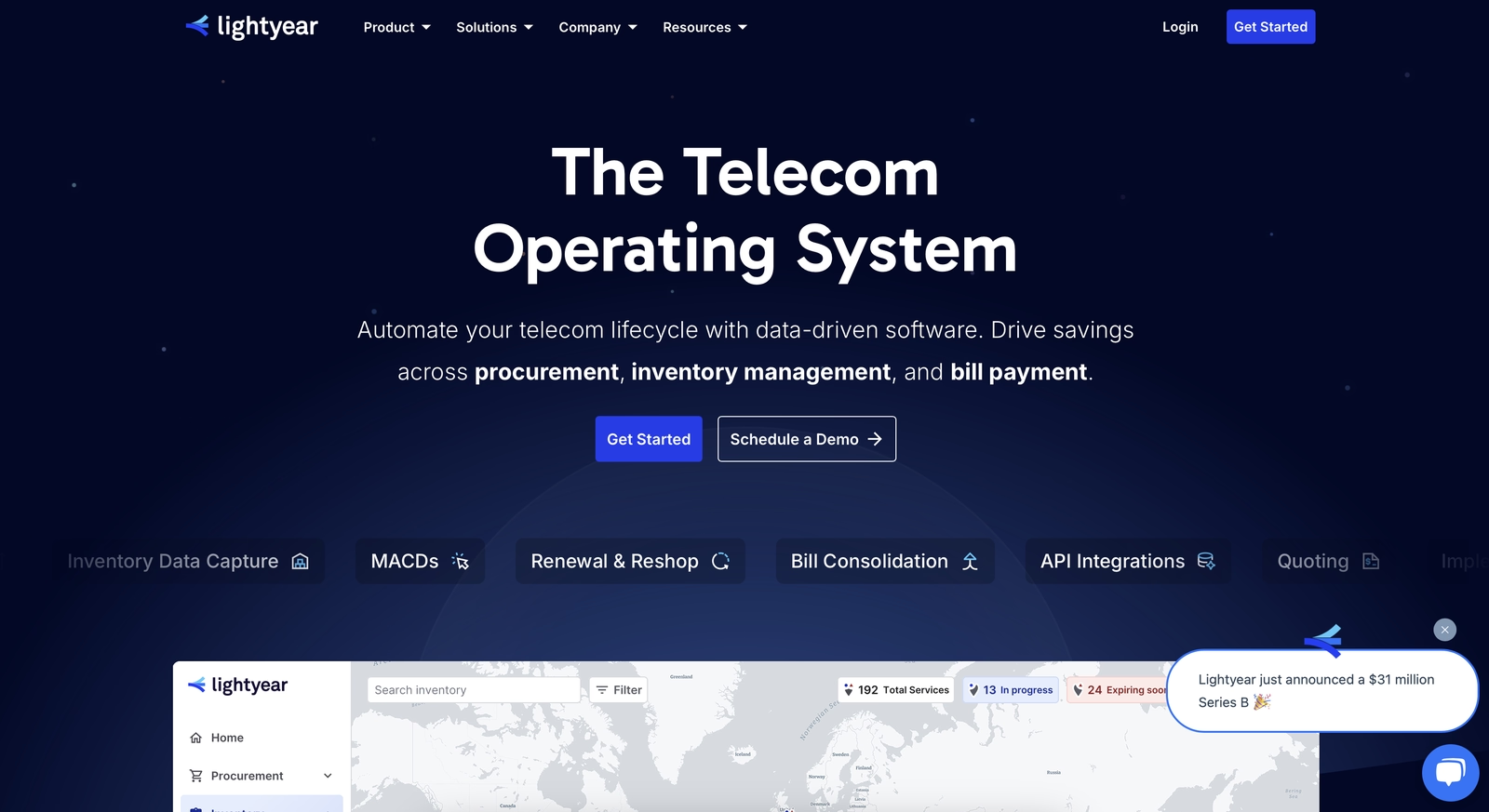
Whether you're deploying Mobile or Multi-Access Edge Computing, managing the underlying network services is a complex task. By automating network service procurement, inventory management, and bill consolidation, Lightyear takes the pain out of telecom infrastructure management.
The hundreds of enterprises who trust Lightyear achieve 70%+ time savings and 20%+ cost savings on their network services. Schedule a demo or get started with our questionnaire today.
Frequently Asked Questions about Mobile Edge Computing vs Multi-Access Edge Computing
How does 5G fit into the picture with MEC?
5G and MEC are highly complementary. The ultra-low latency and high bandwidth of 5G networks make edge computing more powerful, enabling real-time applications like autonomous vehicles and AR/VR that were not practical with older cellular technologies.
Do I have to choose between Mobile and Multi-Access Edge Computing?
Not necessarily. Many enterprises use a hybrid approach. You might use Mobile Edge Computing for your cellular-connected logistics fleet and Multi-Access Edge Computing for Wi-Fi-enabled IoT devices inside your manufacturing plant. The two can coexist in your strategy.
Does implementing edge computing mean I don't need the cloud anymore?
No, edge computing complements the cloud, it doesn't replace it. Edge is for processing time-sensitive data locally, while the central cloud remains essential for large-scale data storage, complex analytics, and managing non-urgent workloads.
Let us show you the product and discuss specifics on how it might be helpful.
Schedule a Demo




Revolutionize Your Telecom Experience
Learn how you can get one step closer to optimal business efficiency for all your telecom services.