Network Segmentation vs Subnetting: Differences Explained
Learn the key differences between network segmentation and subnetting. We explain how each method works to improve network security and management.


Network segmentation and subnetting are two fundamental techniques for organizing and securing a computer network. Though they often work together, they address different goals and are frequently misunderstood.
This guide will clarify the distinction between them. We'll look at what each technique does, how it's implemented, and how to decide which approach is right for your infrastructure.
What is Network Segmentation?
Network segmentation is an architectural approach that divides a computer network into smaller, isolated sections, or segments. Think of it as creating digital partitions within your network. Each segment acts as its own distinct subnetwork, and communication between these segments is strictly controlled, typically by a firewall.
The primary purpose is to enhance security and limit the potential impact of a cyberattack. Here’s how it works:
- Isolation: Segments are created to isolate groups of assets. For example, you might separate your guest Wi-Fi network from the internal corporate network that houses sensitive data.
- Access Control: Traffic between segments is filtered based on security policies. This ensures that only authorized users and services can communicate across boundaries.
- Containment: If one segment is compromised, the security breach is contained within that segment, preventing it from spreading across the entire network.
What is Subnetting?
Subnetting is the process of dividing a single, large IP network into smaller, more manageable logical networks, or subnets. While segmentation is primarily a security strategy, subnetting is a foundational networking practice focused on efficiency and organization.
It works by using a subnet mask to divide an IP address into a network portion and a host portion. This allows administrators to create distinct subnetworks without needing a new network number from their ISP. The main goals are:
- Improved Performance: By breaking up a large network, you reduce overall broadcast traffic, which can slow down all connected devices. Each subnet acts as its own broadcast domain.
- Simplified Management: Smaller networks are easier to manage and troubleshoot. Issues within one subnet are contained and don't necessarily impact others.
- IP Address Organization: Subnetting allows for a more logical and efficient allocation of a limited number of IP addresses across an organization's departments or locations.
Network Segmentation vs Subnetting: Key Differences
While both techniques bring order to a network, their fundamental goals and methods are distinct. Here’s a closer look at the key points of contrast.
1. Core Objective
The primary driver for network segmentation is security. Its purpose is to create secure zones to isolate critical assets and control traffic based on trust policies, effectively limiting the blast radius of a security incident.
In contrast, subnetting is focused on network efficiency and organization. It addresses logistical challenges like conserving IP addresses and improving performance by reducing unnecessary broadcast traffic.
2. Method of Implementation
Segmentation is a policy-driven approach. It's implemented using technologies like firewalls, Virtual LANs (VLANs), and Access Control Lists (ACLs) to enforce rules about which traffic can cross segment boundaries.
Subnetting is a foundational, mathematical process at the network layer (Layer 3). It involves applying a subnet mask to an IP address range to create smaller, distinct logical networks.
3. Relationship and Function
Subnetting creates the logical network structure, defining different address spaces. Segmentation then applies security policies on top of that structure, controlling communication between those defined spaces.
You can have subnetting without segmentation, but effective segmentation often relies on a well-designed subnetting scheme to function properly.
Benefits of Network Segmentation
Beyond its core security function, a well-designed segmentation strategy offers several operational advantages for an enterprise. These benefits help improve network reliability and simplify management.
- Better Performance: By isolating high-bandwidth traffic, such as data-intensive applications or VoIP calls, into their own segments, you can prevent them from consuming resources and slowing down the rest of the network.
- Simplified Compliance: Meeting regulatory requirements like PCI DSS or HIPAA is easier. You can create a dedicated, controlled segment for sensitive data, which simplifies auditing and reduces the scope of compliance assessments.
- Improved Monitoring: With traffic between segments passing through specific control points, it becomes much easier to monitor, log, and analyze activity. This helps in detecting policy violations or unusual behavior quickly.
- Protecting Vulnerable Devices: Devices that cannot be easily secured, like legacy systems or certain IoT hardware, can be placed in their own isolated segment to limit their exposure and prevent them from being used as an entry point to the wider network.
Advantages of Subnetting
While network segmentation focuses on security, subnetting brings tangible operational benefits to your network infrastructure. It’s a foundational practice that improves day-to-day network health and administration.
- Efficient IP Address Use: Subnetting allows you to make the most of your assigned IP address range. It prevents waste and ensures you can support more hosts without having to acquire a larger block of addresses, which is crucial for scaling operations.
- Reduced Network Congestion: By creating separate broadcast domains, subnetting significantly cuts down on unnecessary network traffic. This directly improves performance and reduces latency for all connected devices and applications.
- Faster Troubleshooting: When a network issue arises, a subnetted architecture helps IT teams pinpoint the source of the problem much faster. Problems are contained within a specific subnet, preventing a single issue from impacting the entire network.
- Logical Network Structure: It provides a clear, hierarchical structure to the network, making it easier to apply routing policies and align the network layout with your company's departmental or geographical organization.
How to Implement Network Segmentation and Subnetting
Implementing these techniques involves distinct steps, starting with the logical network structure and then layering security controls on top.
1. Implementing Subnetting
Subnetting begins with your assigned IP address block. You calculate and apply a subnet mask to divide this block into smaller, usable subnets based on your organization's needs.
This process determines how many subnets you can create and how many devices each can support. These new subnets are then assigned to different parts of your network, such as specific departments or server groups, creating a logical and organized address scheme.
2. Implementing Network Segmentation
Segmentation is typically implemented after the subnet structure is in place. It uses technologies like Virtual LANs (VLANs) to group devices into isolated segments, even if they share the same physical network hardware.
Firewalls and Access Control Lists (ACLs) are then configured to enforce strict rules on the traffic that can pass between these segments. For example, you can create a rule that allows your guest Wi-Fi segment to access the internet but blocks it from communicating with your internal corporate network.
Making the Right Choice for Your Enterprise
Ultimately, the decision isn't about choosing between network segmentation and subnetting. For a modern enterprise, the two work in tandem to create a secure, efficient, and well-organized network. The real question is how to apply them effectively.
- Start with subnetting as the foundation. Use it to logically divide your network, improve performance by reducing broadcast traffic, and organize your IP address allocation for easier management.
- Layer segmentation on top for security. Apply segmentation to isolate critical assets, control traffic flow between different parts of the network, and contain potential security breaches.
- A combined strategy is the standard. Subnetting creates the efficient blueprint, while segmentation builds the secure walls and doors within it. Using both ensures your network is not only performant but also resilient against threats.
Need Help Managing Your Network? Lightyear Can Help
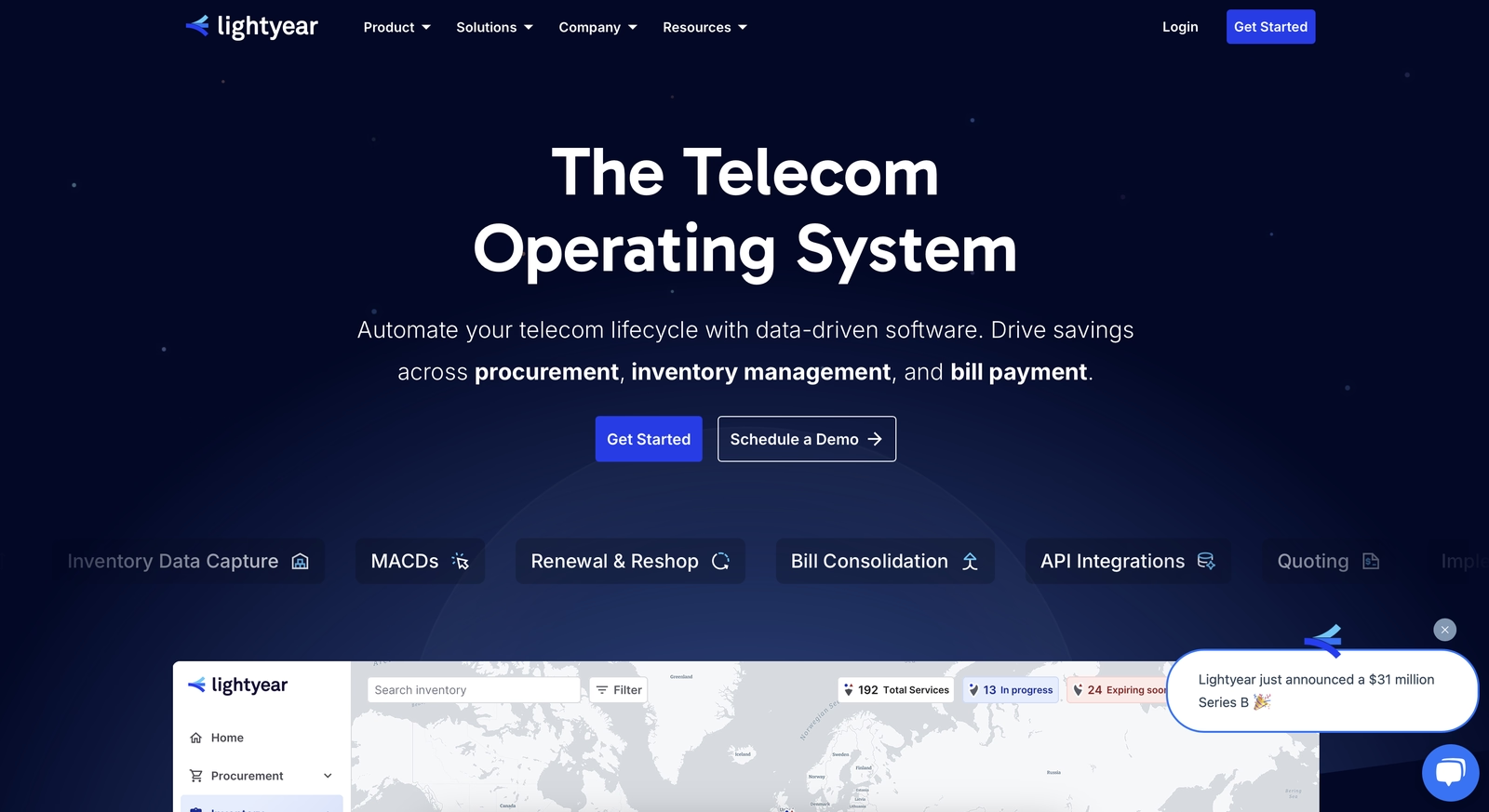
Effectively managing a segmented and subnetted network requires a clear view of your underlying telecom services. By automating network service procurement, inventory management, and bill consolidation, Lightyear provides a central system of record for your entire telecom infrastructure.
The hundreds of enterprises who trust Lightyear achieve 70%+ time savings and 20%+ cost savings on their network services.
Schedule a demo or get started with our questionnaire today.
Frequently Asked Questions about Network Segmentation vs Subnetting
Can I use network segmentation without subnetting?
While technically possible using firewalls on a flat network, it's not recommended. Using subnets as the basis for your segments creates a much cleaner, more organized structure that is far easier to manage and secure effectively.
Which one should I implement first?
Always implement subnetting first. It establishes the logical blueprint and IP address organization for your network. Segmentation is then layered on top of this structure to apply security policies and control traffic flow between the subnets.
How do VLANs relate to these concepts?
VLANs are a primary tool for implementing network segmentation. They let you group devices into isolated segments regardless of physical location. Each VLAN is typically assigned its own unique subnet to manage its IP addressing.
Are these concepts relevant in cloud environments?
Yes, both are critical. Cloud platforms use subnetting to organize virtual networks (e.g., an AWS VPC). You then apply security groups and network ACLs—a form of segmentation—to control traffic between cloud resources for security.
Let us show you the product and discuss specifics on how it might be helpful.
Schedule a Demo





Revolutionize Your Telecom Experience
Learn how you can get one step closer to optimal business efficiency for all your telecom services.