Network Virtualization vs Network Function Virtualization
Confused by NV vs. NFV? Learn the key differences. We explain how Network Virtualization creates virtual networks and NFV virtualizes network services.

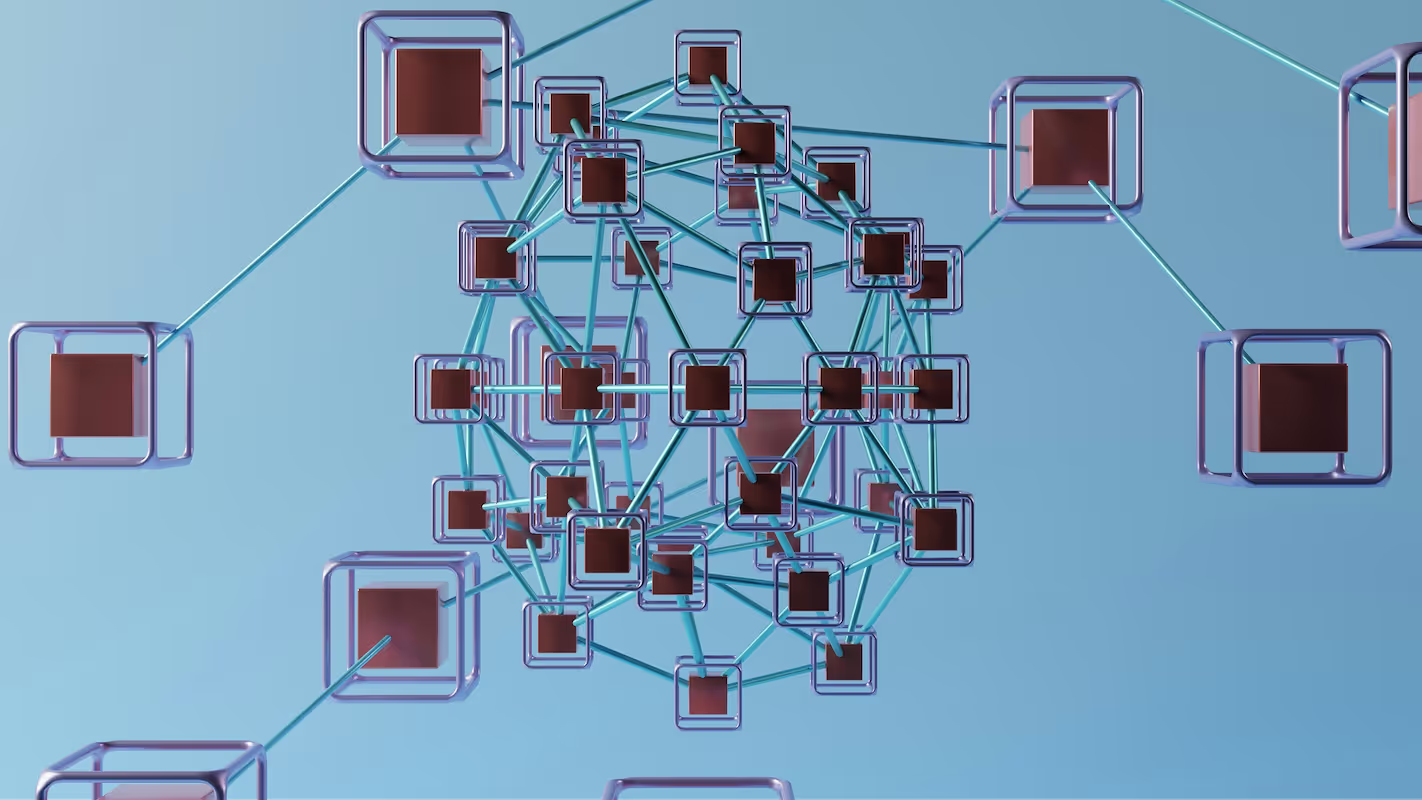
In modern networking, many terms sound similar but refer to very different concepts. Two of the most commonly confused are Network Virtualization (NV) and Network Function Virtualization (NFV).
While both involve abstracting network resources from the physical hardware they run on, they solve different problems and function at different layers of the network.
This article will clarify the key distinctions between them, helping you understand how each approach can support your organization's infrastructure goals.
What is Network Virtualization?
Network Virtualization is a process that combines available network resources by splitting the network's bandwidth into independent channels. Each channel can be assigned—or reassigned—to a specific server or device in real time. The core idea is to abstract network resources from the physical hardware.
This allows administrators to manage the network as a single, software-based entity. It treats the physical network as a pool of transport capacity that can be allocated on demand.
Key aspects of Network Virtualization include:
- It can combine multiple physical networks into one virtual network or divide one physical network into separate, isolated virtual networks.
- This approach focuses on abstracting data plane functions like switching and routing.
- It allows for flexible network configuration and management without needing to alter the physical infrastructure.
What is Network Function Virtualization?
Network Function Virtualization (NFV) is an approach that separates network functions from the dedicated hardware they traditionally run on. Instead of buying a physical appliance for every need, NFV allows these services to operate as software on standard servers.
Think of it as moving services away from proprietary boxes and into a more flexible, virtualized environment.
- It virtualizes network services like firewalls, load balancers, DNS, and intrusion detection systems.
- These functions are deployed as virtual machines (VMs) or containers on commodity servers, storage, and switches.
- This allows network services to be provisioned and scaled on-demand, without needing to install new hardware.
Key Differences Between Network Virtualization and Network Function Virtualization
While they both use virtualization, their goals and methods are quite distinct. Here are the main points of contrast.
1. Scope and Focus
Network Virtualization focuses on abstracting the network infrastructure itself, like switches and routers. It is concerned with the data plane, which handles the forwarding of traffic.
Network Function Virtualization, on the other hand, focuses on abstracting specific network services like firewalls and load balancers. It operates on the control plane, which manages how data is moved.
2. Core Purpose
The primary goal of Network Virtualization is to create multiple independent logical networks on a single physical network. This is often done for security, segmentation, or multi-tenancy.
The main purpose of NFV is to replace dedicated, proprietary hardware appliances with software-based functions. This reduces hardware dependency and can lower capital expenditures.
3. Components
Network Virtualization works with virtual switches and routers to create and manage virtual networks.
NFV deals with Virtual Network Functions (VNFs), which are the software instances of network services running on standard servers.
Benefits of Network Virtualization
By abstracting the network from its physical hardware, Network Virtualization offers several key advantages for managing your infrastructure.
- Greater Agility: Network administrators can deploy and scale network resources in minutes rather than weeks. This allows for rapid provisioning of new applications and services without waiting for physical network changes.
- Improved Security: It allows you to segment the network into isolated virtual zones. If a security threat affects one segment, it is contained and cannot easily spread to other parts of your network.
- Better Resource Utilization: NV treats your physical network as a flexible pool of capacity. This means bandwidth is allocated efficiently and not left idle, maximizing the return on your hardware investment.
- Centralized Management: Instead of configuring individual switches and routers, you can manage the entire network from a single software console. This simplifies administration and reduces the potential for human error.
Benefits of Network Function Virtualization
By decoupling network services from physical hardware, NFV offers its own set of compelling advantages.
- Reduced Costs: NFV significantly lowers capital expenses by eliminating the need for dedicated hardware for each network function. It also cuts operational costs related to power, cooling, and physical space.
- Greater Flexibility: Services can be scaled up or down dynamically based on demand. This means you can deploy a new firewall or load balancer in software without the lengthy process of procuring and installing a physical box.
- Freedom from Vendor Lock-in: By running network functions on standard servers, you are no longer tied to specific hardware vendors. This gives you the freedom to choose the best software-based services from any provider.
- Accelerated Service Deployment: New network services and updates can be rolled out much faster. Since it's all software, testing and deploying new functionalities becomes a more agile process.
Choosing the Right Solution for Your Enterprise
The choice between NV and NFV isn't about which is better, but which aligns with your specific business needs. Here’s how to think about it.
1. When to Choose Network Virtualization
Opt for Network Virtualization if your main goal is to manage the network infrastructure itself more efficiently. It's the right choice when you need to create separate, secure network segments for different departments or tenants on shared hardware.
Consider NV if you want to simplify network provisioning and manage your entire physical network as a single logical unit.
2. When to Choose Network Function Virtualization
Turn to Network Function Virtualization when your priority is to move away from expensive, single-purpose hardware. NFV is ideal if you want the agility to deploy and scale network services like firewalls and load balancers as software.
This approach helps reduce hardware costs and accelerates how quickly you can introduce new services.
3. Using NV and NFV Together
It’s important to know that these technologies are not mutually exclusive; they are complementary and often work together. You can use Network Virtualization to create the underlying logical network segments.
Then, you can run your Virtual Network Functions (from NFV) on top of that virtualized network. This combination provides a highly agile and cost-effective networking environment.
Final Thoughts on Network Virtualization and Network Function Virtualization
Ultimately, both Network Virtualization and Network Function Virtualization bring software-defined control to your infrastructure, just in different ways. NV abstracts the network itself, creating multiple logical networks on a single physical one.
NFV, on the other hand, abstracts network services, freeing functions like firewalls from dedicated hardware.
While they solve different problems, they are highly complementary. Many modern networks use NV to create a flexible foundation and then deploy VNFs on top. Understanding both is key to building an agile and cost-efficient network architecture.
Need Help Managing Your Network? Lightyear Can Help
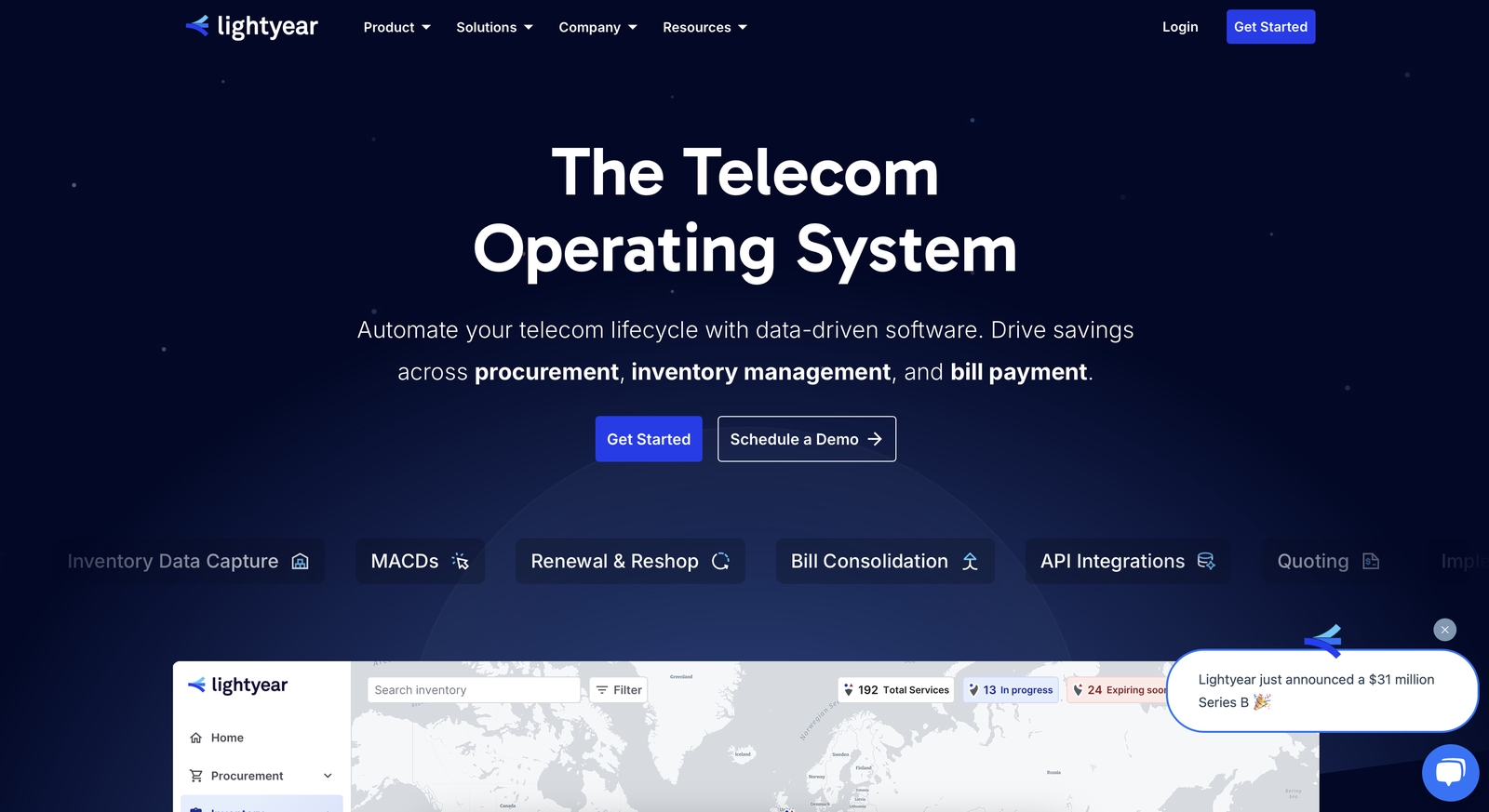
Understanding NV and NFV is the first step; the next is managing the services that run on your network. By automating network service procurement, inventory management, and bill consolidation, Lightyear takes the pain out of telecom infrastructure management.
The hundreds of enterprises who trust Lightyear achieve 70%+ time savings and 20%+ cost savings on their network services.
Schedule a demo or get started with our questionare today.
Frequently Asked Questions about Network Virtualization vs Network Function Virtualization
Can I have NFV without NV?
Yes, you can. Network Function Virtualization can run on a traditional physical network without network virtualization. However, combining the two creates a more flexible and automated environment, which is why they are often used together to maximize benefits.
How do these relate to Software-Defined Networking (SDN)?
Both are closely related to SDN. Network Virtualization is often a key part of an SDN architecture, handling the data plane. NFV is a complementary technology that an SDN controller can manage, automating the deployment of network services.
Does implementing these require special hardware?
NFV is specifically designed to run on standard servers, reducing the need for proprietary appliances. Network Virtualization can operate on existing hardware, but it performs best on switches and routers that are optimized for virtualization features.
Let us show you the product and discuss specifics on how it might be helpful.
Schedule a Demo





Revolutionize Your Telecom Experience
Learn how you can get one step closer to optimal business efficiency for all your telecom services.