Router vs MiFi: Differences for Enterprise Buyers
Router or MiFi for your business? Learn the key differences in performance, security, and use cases to choose the right device for your team.

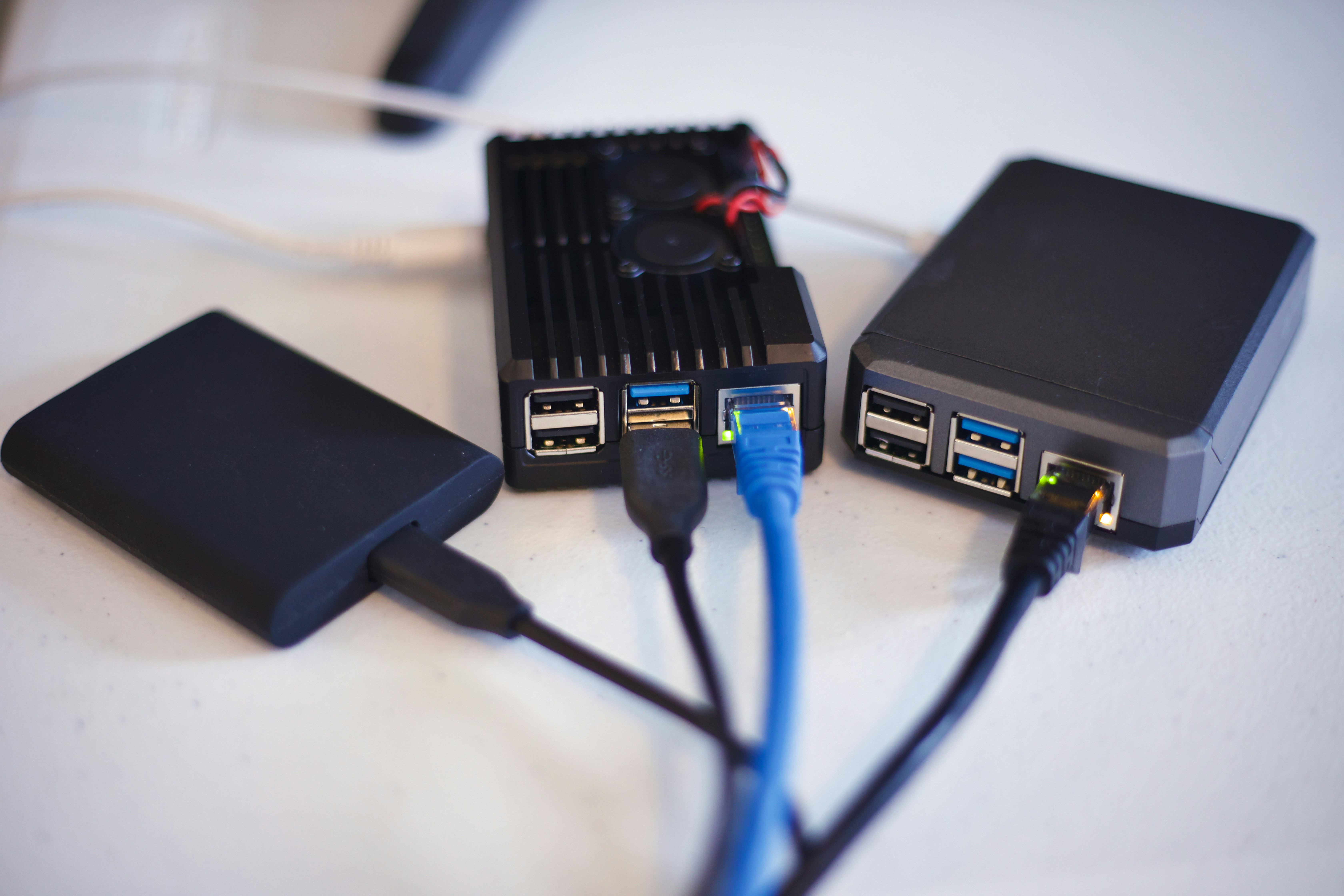
Choosing the right hardware for business internet is a key decision for any IT team. While both routers and MiFi devices provide connectivity, they are built for different scenarios and business needs.
Understanding the specific differences in performance, security, and scalability is essential for making a cost-effective choice. This guide breaks down the functions of each device to help you determine the right fit for your enterprise network, whether for a primary office, a remote site, or a mobile workforce.
What is a Router?
A router is a piece of hardware that acts as the central hub for a business's network, directing data traffic between the internet and the devices within your local network. Think of it as a traffic controller for your digital information, making sure data packets get to their correct destinations efficiently.
Its primary functions are to connect, manage, and secure your network. Key responsibilities include:
- Connecting Networks: It links your local area network (LAN)—composed of computers, printers, and servers—to the wider internet, allowing multiple devices to share a single internet connection.
- Directing Traffic: The device inspects data packets to forward them to the correct IP address, both within your internal network and out to the internet.
- Assigning IP Addresses: It assigns a unique local IP address to every device on the network, which prevents data conflicts and keeps internal communications organized.
- Providing Security: Most business-grade routers come with built-in security features, like a firewall, to block malicious traffic and protect your network from external threats.
What is a MiFi?
A MiFi, short for "My Wi-Fi," is a compact, portable wireless device that acts as a mobile Wi-Fi hotspot. Unlike a traditional router that connects to a physical line like cable or fiber, a MiFi device uses a cellular signal (such as 4G LTE or 5G) to create a small, localized Wi-Fi network you can take anywhere.
Here’s how it generally works:
- Cellular Connectivity: It operates with a SIM card and a data plan from a mobile carrier. The device converts the cellular connection into a Wi-Fi signal that other devices can use to get online.
- Portability and Power: Designed for mobility, these devices are small enough to fit in a pocket and are powered by a rechargeable battery, offering internet access without needing a power outlet.
- Device Capacity: A MiFi is built to support a small number of simultaneous connections, typically between 10 to 15 devices, making it suitable for individuals or small teams on the move.
- Simple Setup: Deployment is usually straightforward. Just insert an active SIM card and turn the device on. It requires minimal network configuration compared to an enterprise-grade router.
Router vs MiFi: Key Differences
While both devices provide internet access, they differ significantly in how they connect, the performance they offer, and their intended operating environments. Here’s a direct comparison of their core attributes.
Connectivity Source
A router connects to the internet via a physical, wired connection like fiber, cable, or DSL. This provides a stable and consistent link from an internet service provider.
In contrast, a MiFi device relies on a cellular network signal, such as 4G LTE or 5G. Its connectivity is entirely wireless and depends on the strength and availability of the mobile carrier's service in a given location.
Performance and Scalability
Business routers are engineered for high-throughput and low-latency connections. They are built to manage traffic for dozens or even hundreds of devices simultaneously, supporting the demands of a busy office LAN.
A MiFi device offers more limited bandwidth and is designed for a small number of connections, typically up to 15. Performance can fluctuate based on cellular network congestion and signal quality.
Portability and Power
Routers are stationary devices that require a constant connection to a power outlet. They are installed in a fixed location, like a server room or office closet, to serve as a network's foundation.
MiFi devices are defined by their portability. They are compact, lightweight, and run on a rechargeable battery, offering internet access on the go without being tethered to a wall.
Security Features
Enterprise-grade routers typically include robust security features. These often include advanced firewalls, VPN capabilities, and access control lists to protect the internal network from threats.
MiFi security is generally more basic, usually limited to WPA2 or WPA3 password protection. It lacks the comprehensive security tools needed to safeguard a full corporate network.
Use Cases for Routers in Enterprises
Given their stability and security, routers are the foundation for most permanent business network setups. They are the standard choice for connecting a primary office or headquarters to the internet, as they can manage the high volume of data traffic from hundreds of employees, servers, and other networked devices.
Routers are also essential for connecting branch offices, creating a unified and secure wide area network (WAN). This allows for consistent access to corporate resources across all locations, ensuring reliable inter-office communication.
Finally, they are deployed in environments requiring dedicated, high-performance connections, such as data centers or sites running critical applications where uptime is non-negotiable.
Use Cases for MiFi in Enterprises
MiFi devices are valuable in enterprise settings where mobility and rapid deployment are priorities. They are an excellent solution for equipping a mobile workforce, giving field technicians or sales teams reliable internet access while on the move.
They are also ideal for providing connectivity at temporary sites. Think of a construction trailer, a pop-up event, or a short-term project office where installing a permanent wired connection is impractical or would take too long.
Finally, MiFi can serve as a dependable backup internet source. If a primary wired connection fails, a 4G or 5G MiFi device can act as a failover to keep critical business operations online, preventing costly downtime.
Cost Considerations: Router vs MiFi
When comparing costs, it's helpful to look at both the upfront investment and the ongoing operational expenses for each device. The total cost of ownership can differ significantly.
- Router Costs: The main upfront cost is the hardware itself. An enterprise-grade router is a capital expense that can range from hundreds to thousands of dollars, and you may also have professional installation fees. The ongoing cost is the predictable monthly subscription for your wired internet service like fiber or cable, which usually offers unlimited data at a fixed price.
- MiFi Costs: The MiFi device is typically less expensive to purchase than a business router. However, the recurring costs are tied to a cellular data plan. These plans are based on data consumption, and exceeding your monthly allowance can lead to high overage charges or throttled speeds. This variability can make budgeting less predictable, especially if usage patterns change.
Making the Right Choice for Your Business
The decision between a router and a MiFi device comes down to your specific operational needs. It's less about which is "better" and more about which is the right tool for the job.
For your primary offices, branch locations, or data centers, a router is the standard choice. It provides the stable, secure, and high-capacity connection needed to support daily business operations.
A MiFi device, on the other hand, is the ideal solution for mobility and flexibility. It's perfect for remote teams, temporary job sites, or as a failover internet connection to maintain business continuity.
Many enterprises find that the most effective strategy involves using both. A router serves as the network's core, while MiFi devices support specific mobile or backup requirements, creating a resilient and adaptable connectivity plan.
Need Help Managing Your Network? Lightyear Can Help
Choosing the right hardware is just the first step; managing the underlying telecom services is the next challenge. Lightyear helps you procure, manage, and pay for any connectivity service, from fiber for your office routers to cellular data plans for your MiFi fleet.
By automating network service procurement, inventory management, and bill consolidation, Lightyear removes the complexity of telecom management. Enterprises using our platform save over 70% in time and 20% in costs on their network services.
Schedule a demo or get started with our questionare today.
Frequently Asked Questions about Router vs MiFi
Can a MiFi device replace a router for a small office?
It's not recommended for primary use. MiFi devices lack the performance, device capacity, and advanced security features of a business router, which is designed for stable, continuous office operations and protecting the local network.
How does a MiFi differ from a smartphone hotspot?
A MiFi has a dedicated battery and is built specifically for providing a Wi-Fi signal, so it won't drain your phone. It also typically supports more simultaneous device connections than a smartphone, making it more reliable for team use.
Can a router use a cellular connection for backup?
Yes, many enterprise routers support cellular failover. They can be equipped with a SIM card or connect to an external cellular modem, automatically switching to a 4G or 5G network if the primary wired connection fails.
Are MiFi devices secure enough for sensitive business data?
MiFi security is generally limited to password protection. For handling sensitive data, you should always use a VPN. Enterprise routers offer more robust security, including built-in firewalls and access controls, making them safer for core business networks.
Let us show you the product and discuss specifics on how it might be helpful.
Schedule a Demo





Revolutionize Your Telecom Experience
Learn how you can get one step closer to optimal business efficiency for all your telecom services.