Router vs Switches: Differences for Enterprise Networks
Router vs. switch: What's the difference for your business network? Learn how each device works to connect your enterprise and make the right choice.

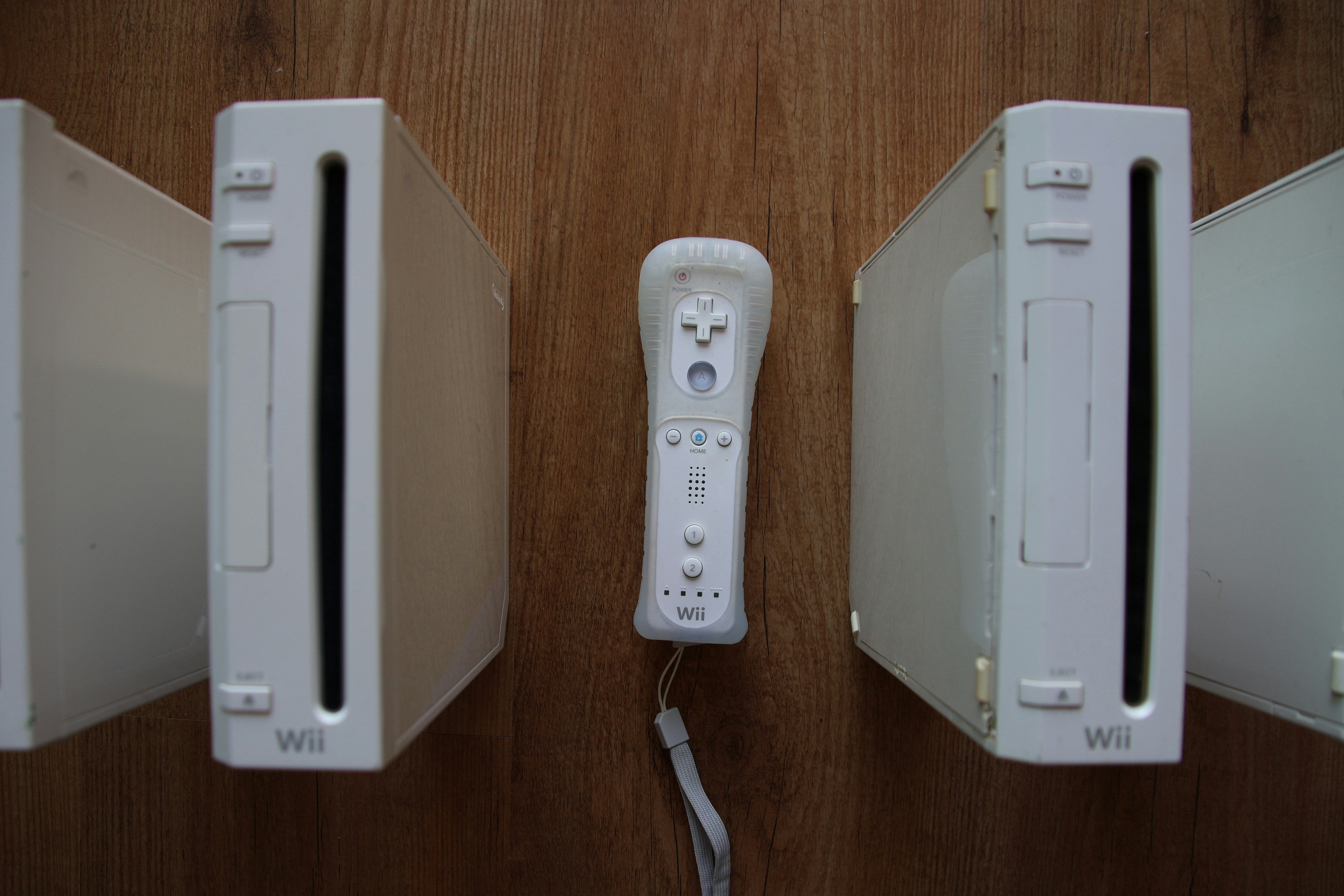
When building or managing an enterprise network, two pieces of hardware are fundamental: routers and switches. Though they often work together and are sometimes even combined into a single device, they perform very different jobs.
Understanding these differences is key to designing a network that is both efficient and cost-effective. This article will break down the specific roles of each device, helping you make informed decisions for your organization's infrastructure.
What is a Router?
At its core, a router is a device that connects two or more different networks together. Its primary role is to direct traffic between them, ensuring data packets get from their source to their correct destination as efficiently as possible. Think of it as the postal service for your network; it reads the address (the IP address) on each packet of data and determines the best route for it to take.
This process, known as routing, is what allows your internal office network to communicate with the global internet. Routers are essential for managing traffic flow and maintaining connectivity outside of your local environment.
Key functions of a router include:
- Connecting Networks: It links your local area network (LAN) to a wide area network (WAN), like the internet.
- Directing Traffic: It forwards data packets between networks based on their IP addresses.
- Assigning IP Addresses: Through a process called DHCP (Dynamic Host Configuration Protocol), it assigns local IP addresses to devices on the network.
- Providing Security: Many routers include built-in firewalls to protect the internal network from unauthorized access.
What is a Switch?
While a router connects different networks, a switch operates within a single network. Its job is to connect multiple devices—such as computers, printers, and servers—together on one Local Area Network (LAN), forming the very fabric of local connectivity.
A switch intelligently manages the flow of data between these devices. When a data packet arrives, the switch identifies its specific destination MAC address and forwards it only to the correct port. This targeted delivery prevents unnecessary data from flooding the network, which reduces congestion and improves overall performance.
Key functions of a switch include:
- Connecting Devices: It links multiple devices within the same LAN, creating the network.
- Intelligent Data Forwarding: It sends data packets only to the specific device they are meant for by reading MAC addresses.
- Improving Performance: By limiting unnecessary traffic, it reduces network bottlenecks and increases speed.
- Facilitating Communication: It allows all connected devices on the LAN to communicate directly with one another.
Router vs Switch: Key Differences
While both devices are critical for managing data traffic, their core differences lie in how and where they operate within your network's architecture. Here’s a direct comparison of their distinct roles.
1. Operational Layer
The most fundamental difference is the network layer where they function. Routers operate at Layer 3 (the Network Layer), making decisions based on IP addresses to direct traffic between different networks.
In contrast, most switches operate at Layer 2 (the Data Link Layer). They use MAC addresses to forward data frames to a specific device within the same local network.
2. Type of Address Used
Because they operate on different layers, they use different addresses to do their jobs. A router uses IP addresses to send data packets to other networks or the internet.
A switch uses MAC addresses—the unique hardware identifier of a device—to send data frames directly to the correct device on the local network.
3. Scope of Operation
A router's primary function is to connect two or more different networks. It acts as the gateway between your Local Area Network (LAN) and a Wide Area Network (WAN), like the internet.
A switch, however, is used to create a single network. It connects multiple devices together within one LAN, enabling them to communicate with one another efficiently.
When to Use a Router
A router is necessary whenever you need to connect different networks. The most common scenario is connecting your entire office LAN to the internet, allowing multiple employees and devices to share a single internet connection securely.
Routers are also used to create and manage subnets within a larger corporate network. By segmenting the network, you can isolate traffic between departments—like separating the finance team's network from the guest Wi-Fi—which enhances security and reduces network congestion.
Furthermore, if your business operates across multiple physical locations, routers are required to connect these separate office networks together, often over a VPN. They also handle providing wireless access, as routing is a core component of any Wi-Fi network.
When to Use a Switch
A switch is the fundamental building block for any local area network (LAN). You need one whenever you have to connect multiple wired devices—like computers, servers, printers, and VoIP phones—so they can communicate directly with one another.
As your organization grows, the number of devices on your network increases. A switch provides the physical ports to connect them all while intelligently managing traffic flow between them. This prevents data collisions and keeps internal communications fast and efficient, which is critical for tasks like file sharing or accessing local servers.
In short, if your primary need is to create or expand the capacity of a single office network, a switch is the essential piece of hardware for the job.
Common Use Cases in Enterprise Networks
In practice, routers and switches are not an either/or choice; they are teammates that work together to build a functional network. Here’s how they are typically deployed in common business settings.
- Standard Office Setup: In a single office, switches are used to connect all the essential wired devices—computers, printers, VoIP phones—into a cohesive local network. A single router then connects that entire network to the internet, managing all incoming and outgoing traffic and acting as a firewall.
- Connecting Multiple Locations: For companies with more than one site, each office has its own local network built with switches. A router at each location then creates a secure connection to the other offices over a Wide Area Network (WAN), allowing for company-wide communication and data sharing.
- Data Center Architecture: In a data center, high-capacity switches form the core of the network, handling massive volumes of internal traffic between servers and storage systems at very high speeds. Routers are placed at the edge of the data center to manage traffic flow to and from the internet and other corporate networks.
Making the Right Choice for Your Network
Choosing between a router and a switch isn't about picking one over the other; it's about understanding their specific jobs to build a reliable and efficient network. Both are essential components, but they solve different problems.
In short, use a switch when your goal is to create or expand your internal network, connecting devices like computers, printers, and servers within a single location. Use a router when you need to connect that network to other networks, most commonly the internet.
In almost every business environment, you will need both. Switches form the backbone of your local area network (LAN), while a router serves as the on-ramp and off-ramp for all traffic moving in and out of it.
The real decision lies in selecting hardware that matches your organization's scale, performance, and security requirements. As your company grows, you may need managed switches for greater control or more advanced routers to handle complex traffic rules. Thoughtful network design ensures your infrastructure can support your business operations without bottlenecks.
Need Help Managing Your Network? Lightyear Can Help
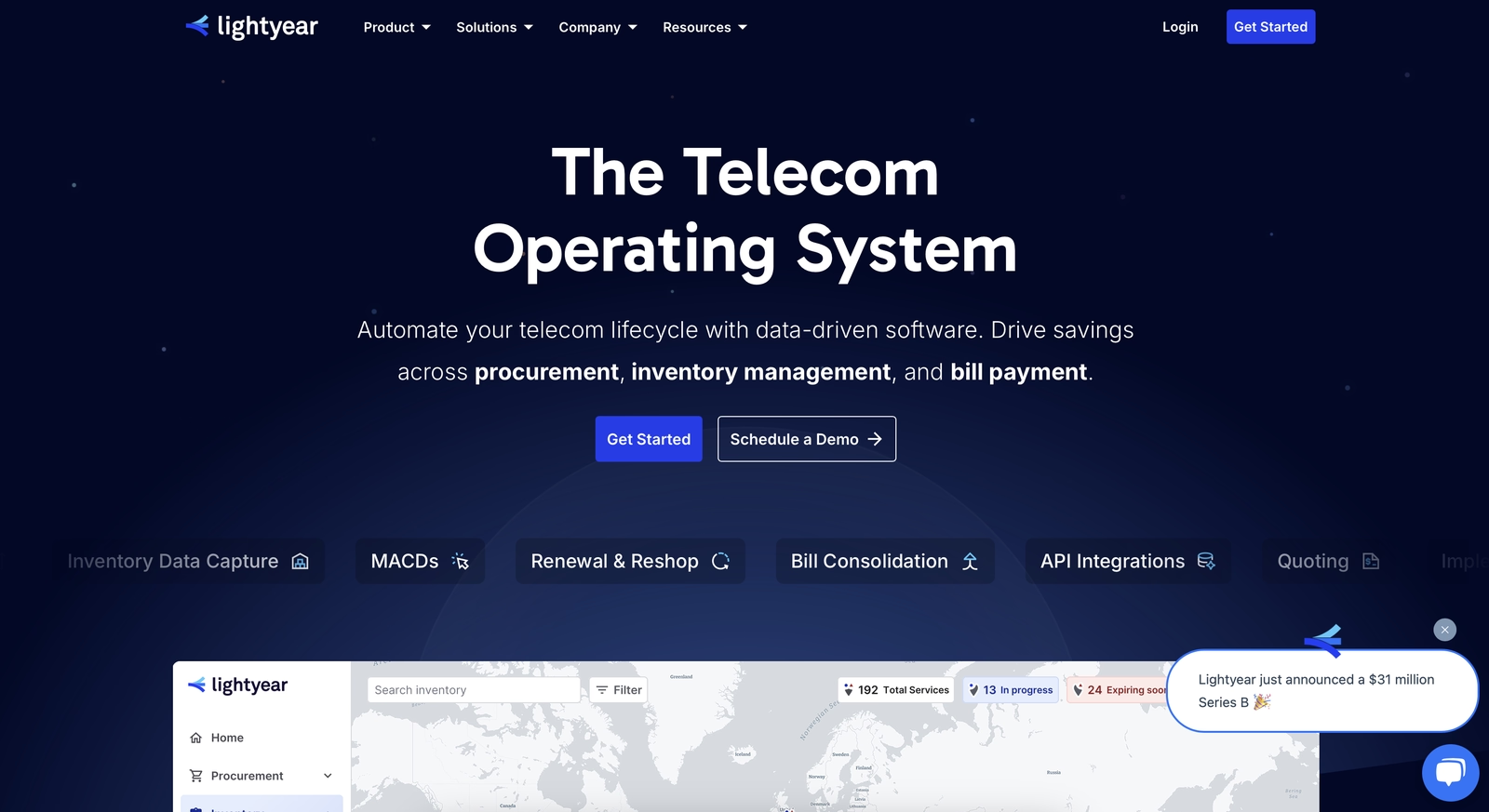
Choosing the right hardware is just the first step. By automating network service procurement, inventory management, and bill consolidation, Lightyear takes the pain out of managing your telecom infrastructure.
The hundreds of enterprises who trust Lightyear achieve 70%+ time savings and 20%+ cost savings on their network services.
Schedule a demo or get started with our questionnaire today.
Frequently Asked Questions about Router vs Switches
Can a router function as a switch?
Yes, many routers include built-in switch ports, allowing you to connect several wired devices directly. This combines both functions into one device, which is often a practical and cost-effective solution for smaller networks or home offices.
What is a Layer 3 switch?
A Layer 3 switch is an advanced switch that can perform some routing functions, typically for internal traffic between different subnets (VLANs). While it can handle high-speed internal routing, it usually lacks the full WAN capabilities of a dedicated router.
Do I always need both a router and a switch?
For most business networks, yes. A router is essential for internet connectivity and security, while a switch is needed to connect your local devices. While a router with built-in ports may suffice for a tiny office, separate devices offer better performance and scalability.
Let us show you the product and discuss specifics on how it might be helpful.
Schedule a Demo





Revolutionize Your Telecom Experience
Learn how you can get one step closer to optimal business efficiency for all your telecom services.