SIM Router vs Broadband: Enterprise Network Solutions
SIM router vs. broadband for your business? Learn the key differences in speed, reliability, and cost to choose the right network solution for your sites.

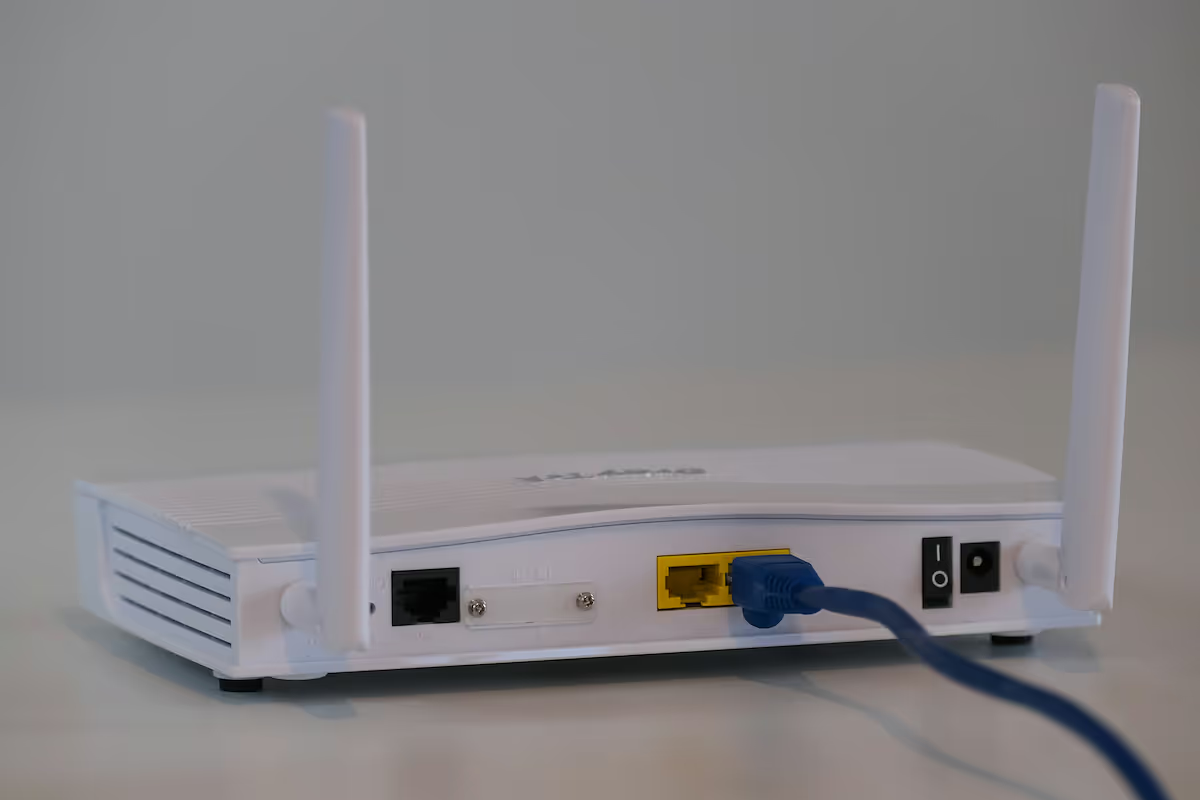
When it comes to enterprise connectivity, IT and network managers often weigh two primary options: SIM routers and traditional broadband.
At a high level, the choice is between a wireless connection powered by cellular networks and a wired connection delivered through physical cables like fiber or coax. While both provide internet access, their underlying technologies create important distinctions in performance, reliability, and setup.
This guide will compare them directly, covering performance, cost, and ideal use cases to help you make an informed decision for your business locations.
What is a SIM Router?
Think of a SIM router as a device that creates a Wi-Fi network using a cellular connection, similar to how your smartphone creates a personal hotspot. It uses a physical SIM card to connect to a 4G or 5G mobile network, then shares that internet connection with other devices via Wi-Fi or an Ethernet cable.
This makes it a self-contained solution for internet access, independent of any physical wiring to the building. Its primary function is to provide connectivity where traditional broadband is unavailable, impractical, or needed as a backup.
- Wireless Connectivity: It connects to the internet using cellular signals from providers like AT&T, Verizon, or T-Mobile.
- Quick Deployment: Setup is fast. Just insert an active SIM card, power it on, and you have a network running in minutes.
- Location Independence: It works anywhere there is a reliable cell signal, making it useful for temporary sites, vehicles, or remote locations.
- Hardware: The device itself is a router built with an integrated cellular modem, eliminating the need for separate equipment.
What is Broadband?
Broadband refers to high-speed internet access delivered through a physical, wired connection to a building. Unlike a SIM router that relies on cellular airwaves, broadband service is provided by an Internet Service Provider (ISP) through a dedicated line run directly to your location.
This physical infrastructure is the defining characteristic of broadband and is what typically allows for high-bandwidth activities like video conferencing and large file transfers with consistency. The connection is always on and tied to a fixed address.
- Wired Infrastructure: It uses physical cables such as fiber optic, coaxial, or DSL lines to deliver internet service.
- Fixed Location: The service is installed at a specific physical address and is not mobile.
- Consistent Performance: Wired connections are generally less susceptible to the signal interference that can affect wireless networks, often resulting in more stable speeds and lower latency.
- Professional Installation: Setup usually requires a technician from the ISP to install and activate the service at the premises.
SIM Router vs Broadband: Key Differences
The core distinctions between these two technologies come down to performance, deployment speed, and portability.
Performance and Latency
Broadband’s wired connection generally provides more consistent speeds and lower latency. This stability is crucial for applications sensitive to delay, such as VoIP calls or high-definition video conferencing.
A SIM router's performance, in contrast, is variable. It depends entirely on the strength and congestion of the cellular network in that specific area, which can cause speeds and latency to fluctuate.
Installation and Deployment Time
Getting a broadband connection running requires a professional installation scheduled with an Internet Service Provider. This process often involves a technician visiting the site and can have lead times stretching from days to several weeks.
A SIM router offers near-instant deployment. As long as you have an activated SIM card, you can power on the device and establish a network connection within minutes, no technician required.
Mobility and Physical Location
A broadband connection is permanently tied to the physical address where it was installed. Relocating the service involves a formal, and often slow, transfer process with the provider.
SIM routers are built for mobility. They can be moved from a primary office to a temporary construction site or a pop-up retail event without any service interruption, as long as there is a cell signal.
Cost Considerations for Enterprises
When budgeting for connectivity, the cost structures for broadband and SIM routers are quite different, impacting both initial outlay and ongoing operational expenses.
- Broadband: Costs are generally predictable. You’ll have a fixed monthly fee for a specific speed tier and often a one-time professional installation charge. Hardware like modems may be included as a rental or require a purchase.
- SIM Router: The primary upfront cost is the router hardware itself. Ongoing expenses are tied to a cellular data plan, which can vary based on usage. Be mindful of potential overage fees if data caps are exceeded.
- Contract Terms: Broadband services usually require multi-year contracts to get the best pricing. SIM router data plans can be more flexible, with some providers offering month-to-month options ideal for temporary needs.
Security and Reliability
When evaluating connectivity, uptime and data protection are paramount. Let's look at how each option handles these critical areas.
1. Broadband Reliability
Broadband's wired nature typically offers high reliability with consistent service. Its main vulnerability is physical.
Outages are often caused by damage to the physical cables from events like construction or severe weather, or by broader ISP network failures.
2. SIM Router Reliability
A SIM router's reliability is directly linked to the strength and stability of the local cellular network.
Service can be affected by network congestion or distance from a cell tower. However, its independence from physical lines makes it an excellent failover solution if your primary broadband connection goes down.
3. Security Considerations
With broadband, security is typically managed by your IT team using firewalls and other network security tools on your private network.
For SIM routers, security is handled through the cellular network's built-in encryption and the router's own security settings. Enterprise-grade devices offer advanced features like VPN and access control to secure the connection.
Scalability and Flexibility
When your business grows or its needs change, how easily can your connectivity adapt? This is where scalability and flexibility come into play, and the two options differ significantly.
- Broadband: Scaling your connection speed typically involves contacting your ISP, which may lead to a new contract, different pricing, and potentially a scheduled technician visit. Because the service is tied to a physical address, it offers little flexibility for locations that are temporary or mobile.
- SIM Router: This option offers far greater agility. Scaling up means adjusting your cellular data plan, which can often be done quickly online. For new locations, you can simply deploy another router. This inherent flexibility makes it ideal for dynamic environments like event-based marketing, construction sites, or as a rapid connectivity solution for new offices.
Making the Right Choice for Your Business
Choosing between a SIM router and broadband isn't about picking a superior technology, but about matching the right tool to the job. Your decision should be guided by the specific needs of each business location.
For your primary offices requiring stable, high-speed internet for daily operations, traditional broadband is almost always the correct choice. Its wired infrastructure delivers the consistent performance needed for demanding applications.
Conversely, a SIM router excels where flexibility is key. It's the ideal solution for temporary sites, mobile operations, or as a failover to keep your business online during a primary internet outage.
Many enterprises find the most effective strategy involves using both. Broadband serves as the workhorse for fixed locations, while SIM routers provide agility and business continuity.
Need Help Managing Your Network? Lightyear Can Help
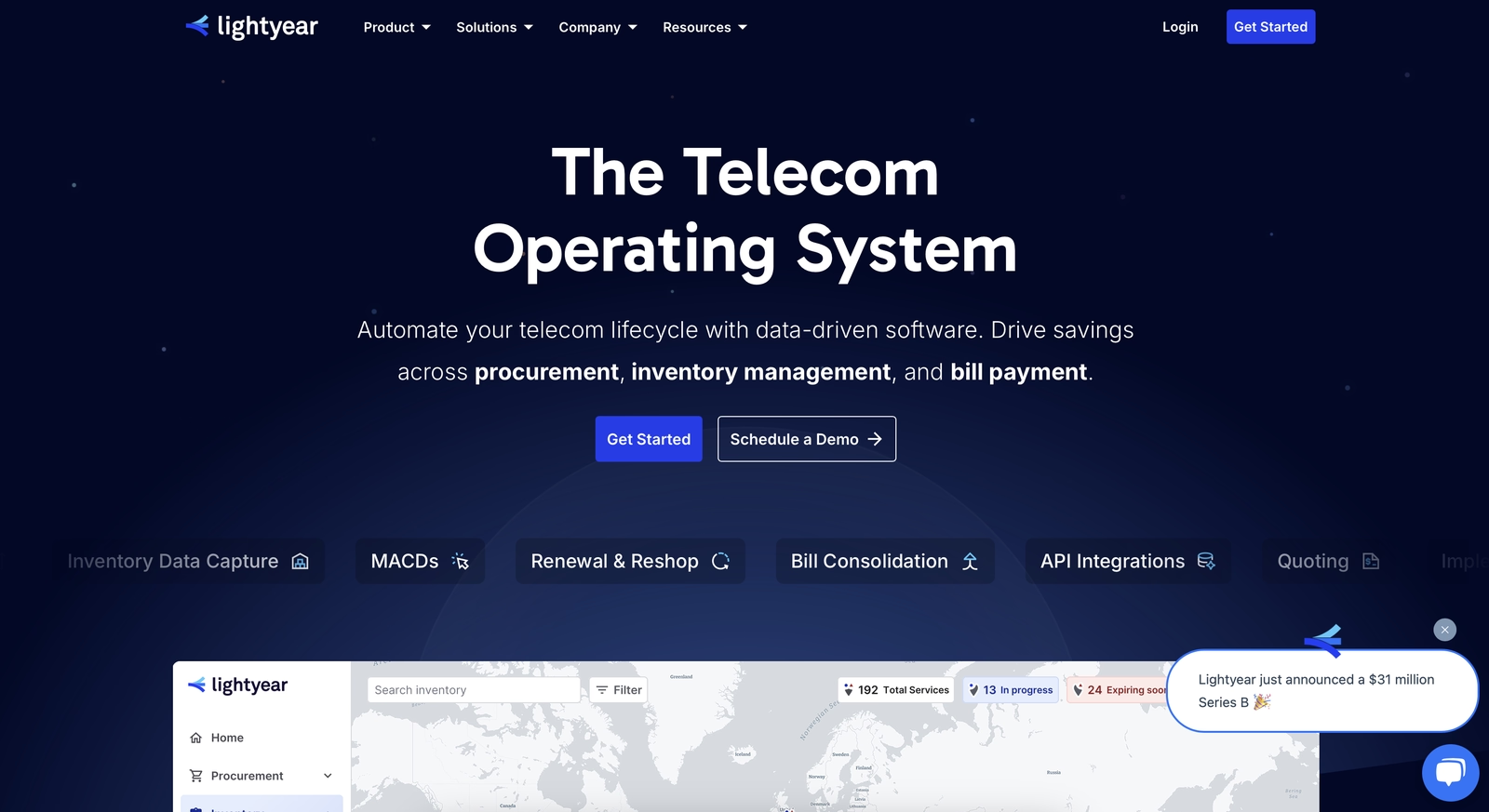
Whether you choose broadband, SIM routers, or a hybrid approach, managing these services across multiple locations can be complex. Lightyear automates the entire process, from procurement and inventory management to bill consolidation, helping businesses save over 70% in time and 20% in costs.
Schedule a demo or get started with our questionnaire today.
Frequently Asked Questions about SIM Router vs Broadband
Does 5G make SIM routers a viable primary option over broadband?
5G offers speeds comparable to some broadband plans, making it a stronger contender. However, factors like network availability, data caps, and potential congestion mean wired broadband often remains the more stable choice for a primary connection at a fixed headquarters.
Can a SIM router integrate with an existing SD-WAN setup?
Yes, absolutely. Many enterprise-grade SIM routers are designed to function as an endpoint in an SD-WAN fabric. They can serve as a primary link for a small site or act as an automated cellular failover connection, managed centrally through your SD-WAN orchestrator.
Are there data caps on enterprise cellular plans for SIM routers?
While consumer plans often have strict data caps, enterprise cellular plans are more flexible. Many carriers offer pooled data or "unlimited" options for business use, though they may include fair use policies or throttling after a certain threshold is reached.
Let us show you the product and discuss specifics on how it might be helpful.
Schedule a Demo





Revolutionize Your Telecom Experience
Learn how you can get one step closer to optimal business efficiency for all your telecom services.