SIM Router vs Mobile Hotspot: Enterprise Differences
SIM router vs. mobile hotspot: which is right for your business? Learn the key differences in performance, security, and cost for enterprise use.


Both SIM routers and mobile hotspots provide internet access using a cellular connection, which can make them seem interchangeable. However, they are designed for fundamentally different applications, especially within a business context.
This guide will clarify the key distinctions between the two. We'll compare their features, performance, and management capabilities to help IT and operations teams determine the right solution for their specific connectivity needs.
What is a SIM Router?
A SIM router, often called a cellular router, is a device that uses a SIM card to connect to a 4G or 5G network and share that connection with other devices. It functions much like a traditional broadband router, but its internet source is cellular data instead of a physical cable. This makes it an excellent solution for primary connectivity in locations without wired internet or as a failover backup to ensure business continuity.
- Continuous Operation: They are built for 24/7 uptime, providing a stable and persistent internet connection for business-critical applications.
- Versatile Connectivity: Most SIM routers feature multiple Ethernet ports for wired devices (like PCs, printers, or POS systems) alongside Wi-Fi capabilities.
- Advanced Network Control: They typically support enterprise-grade features like VPN, custom firewall rules, and Quality of Service (QoS) for prioritizing traffic.
- Fixed Power Source: Designed for stationary use, these routers must be plugged into a power outlet to operate.
What is a Mobile Hotspot?
A mobile hotspot is a compact, portable device that converts a 4G or 5G cellular signal into a private Wi-Fi network. Think of it as a personal internet bubble you can carry with you. It's designed for on-the-go connectivity, providing internet access for laptops, tablets, and other Wi-Fi-enabled devices when you're away from a stable wired connection.
- Designed for Portability: Small, lightweight, and battery-powered, they are built for travel and temporary use.
- Simple to Use: Mobile hotspots offer straightforward functionality with minimal setup or configuration required.
- Limited Connections: They typically support a smaller number of simultaneous device connections compared to a dedicated router.
- Personal Use Focus: Ideal for individual professionals or small teams needing temporary internet access during travel or at off-site meetings.
SIM Router vs Mobile Hotspot: Key Differences
While both devices use cellular data, their design philosophies lead to significant differences in how they operate in a business environment.
1. Performance and Reliability
A SIM router is engineered for continuous, high-performance operation. It can support more simultaneous users and manage heavy data traffic without faltering, making it suitable for business-critical applications that demand constant uptime.
A mobile hotspot, in contrast, is built for temporary access for a few devices. Its performance can degrade with more connections, and it is not designed for the rigors of 24/7 use.
2. Hardware and Connectivity Options
The most significant hardware difference is the inclusion of Ethernet ports on SIM routers. This allows for stable, wired connections to essential equipment like PCs, printers, and POS terminals.
Mobile hotspots are almost exclusively Wi-Fi-based, lacking the physical ports needed to integrate into a wired office network. They also rely on internal antennas, whereas many routers support external ones for better signal strength.
3. Network Management and Security
SIM routers provide enterprise-grade control over the network. IT teams can configure VPN tunnels, set custom firewall rules, assign static IPs, and prioritize traffic with Quality of Service (QoS).
Mobile hotspots offer only basic security features, like password-protected Wi-Fi, and lack the advanced management capabilities required to enforce corporate security policies or manage network traffic effectively.
Benefits of Using a SIM Router
For businesses managing multiple locations, SIM routers offer several operational advantages that go beyond basic connectivity.
- Ensure Business Continuity: A SIM router is a powerful tool for disaster recovery. When configured for failover, it automatically switches to a cellular connection the moment your primary internet goes down. This keeps your POS systems, payment processing, and critical cloud applications online, preventing costly downtime and revenue loss.
- Rapid Deployment for New Sites: Setting up a new retail store, construction site, or temporary office can be done in hours instead of weeks. A SIM router provides instant, reliable internet without waiting for a lengthy ISP installation, allowing your team to be productive from day one.
- Centralized Fleet Management: Many enterprise-grade SIM routers can be managed through a central cloud-based platform. This gives IT teams full visibility and control over their entire network of devices across all locations, simplifying tasks like configuration updates, monitoring, and troubleshooting.
- Improved Signal Reliability: Unlike hotspots, many SIM routers support external antennas. This allows you to overcome weak indoor cellular signals by mounting an antenna outside or in a better location, ensuring a stable connection for locations where signal strength is a challenge.
Advantages of a Mobile Hotspot
While SIM routers excel in fixed locations, mobile hotspots offer their own set of benefits, particularly when mobility is the top priority.
- Unmatched Portability: Their compact, battery-powered design makes them perfect for employees on the move. Sales teams, field technicians, and remote workers can have reliable internet access anywhere with a cellular signal, without being tied to a power outlet.
- Immediate, Simple Connectivity: Mobile hotspots are designed for ease of use. They require virtually no setup, allowing any employee to create a Wi-Fi network in seconds. This simplicity is ideal for non-technical staff who need quick internet access without IT support.
- Cost-Effective for Temporary Needs: For short-term projects, business travel, or events, a mobile hotspot is often a more economical choice. It provides necessary connectivity for a few devices without the higher upfront cost and feature set of an enterprise-grade router.
- Flexible On-Demand Access: They are the perfect tool for situations that demand temporary internet. Whether it's for a pop-up retail kiosk, a client presentation at an off-site location, or a small team working at a conference, a hotspot provides a quick and practical solution.
Choosing the Right Device for Your Business Needs
The right choice depends entirely on your specific operational needs and environment. To make the decision clearer, consider the primary application for the device.
1. When to Choose a SIM Router
Opt for a SIM router if you need a permanent, stable internet connection for a fixed location. They are the correct tool for primary connectivity in places without wired internet or as an automated failover backup for your main office line.
If you need to connect wired equipment like POS terminals or require advanced security features like a VPN, a SIM router is the appropriate choice for your infrastructure.
2. When to Choose a Mobile Hotspot
A mobile hotspot is the better option when your priority is portability and temporary access for individuals or small teams. It's ideal for employees who travel frequently or for setting up quick internet at a conference.
If your users need simple, on-demand Wi-Fi for a few devices without complex configuration, the hotspot provides the necessary connectivity with minimal fuss.
Final Thoughts on SIM Routers and Mobile Hotspots
Ultimately, the decision between a SIM router and a mobile hotspot comes down to choosing the right tool for the job. They are not interchangeable; each serves a distinct business purpose.
A SIM router is the correct choice for stationary applications requiring a stable, permanent connection. It's built for business infrastructure, offering features like Ethernet ports, advanced security, and failover capabilities to keep operations running smoothly.
In contrast, a mobile hotspot is designed for portability and temporary connectivity. It provides on-demand internet for traveling employees or small teams who need simple, immediate access without complex setup.
By evaluating your specific needs—whether for business continuity at a fixed site or for flexible access on the move—you can confidently select the device that aligns with your operational requirements and budget.
Need Help Managing Your Network? Lightyear Can Help
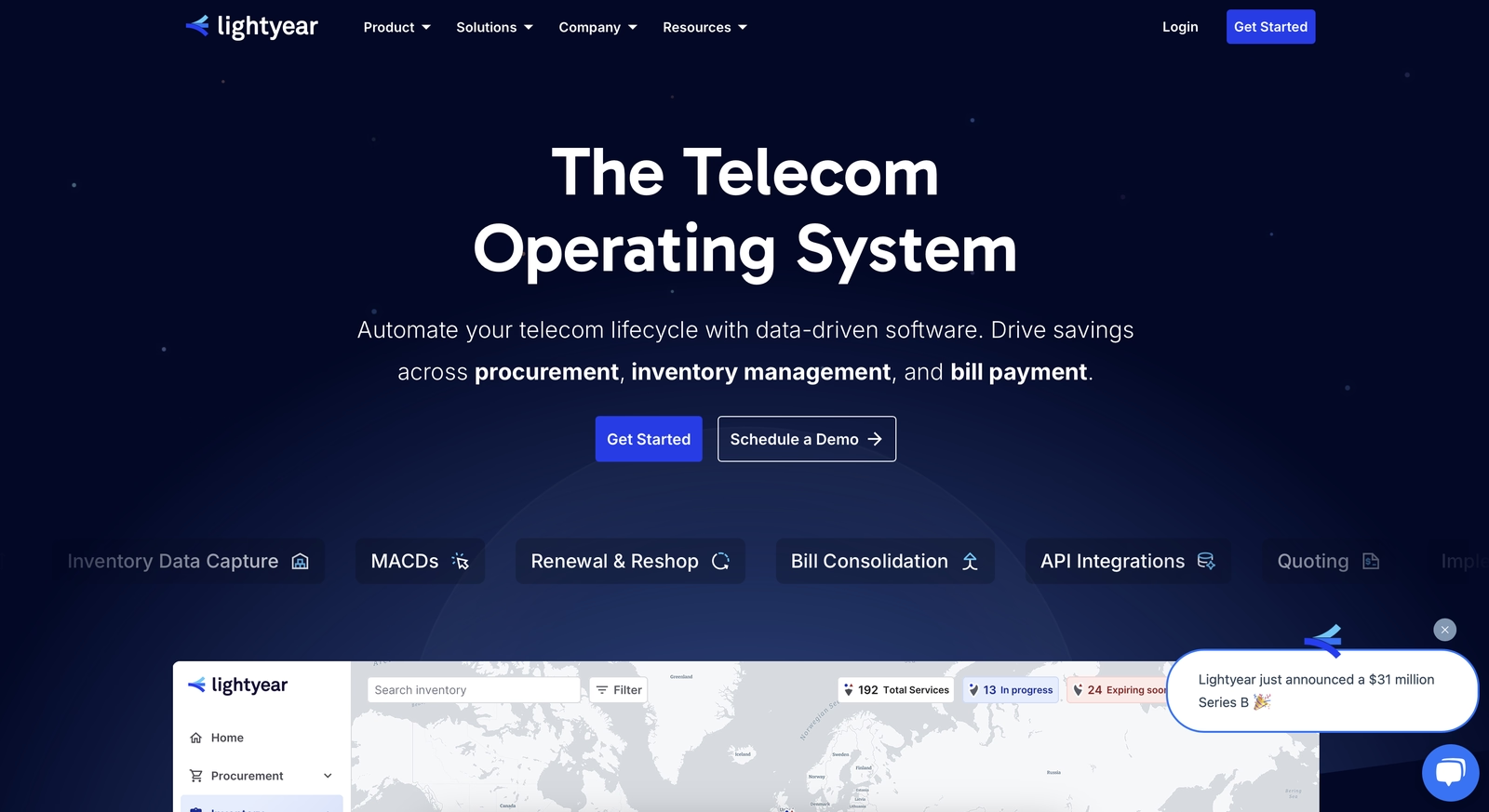
Whether you choose SIM routers for fixed sites or mobile hotspots for teams on the go, managing your telecom services can be complex. Lightyear automates the entire lifecycle, from procuring new devices to tracking inventory and consolidating bills.
By automating network service procurement and management, enterprises that use Lightyear save over 70% in time and 20% in costs. Schedule a demo or get started with our questionnaire today.
Frequently Asked Questions about SIM Router vs Mobile Hotspot
Can I use the same data plan for both a SIM router and a mobile hotspot?
Not always. Data plans for routers often accommodate higher, continuous usage and may have different terms than plans for mobile hotspots. It is important to check with your carrier for business plans specifically designed for each type of device.
Can a device connected to a mobile hotspot still use a corporate VPN?
Yes. While the hotspot itself lacks advanced security features, any connected device like a laptop can establish its own secure VPN connection to your corporate network. The hotspot's role is simply to provide the internet pathway for that connection.
How do SIM routers and mobile hotspots handle international travel?
Both can function abroad, but data roaming charges can be substantial. For frequent international work, consider getting a local SIM card at your destination or an international data plan to manage costs and avoid unexpected billing issues.
Let us show you the product and discuss specifics on how it might be helpful.
Schedule a Demo





Revolutionize Your Telecom Experience
Learn how you can get one step closer to optimal business efficiency for all your telecom services.
