VLAN Trunking vs Router: Enterprise Networking Guide
VLAN trunking vs. a router: which do you need? Learn the key differences in how they manage network traffic and when to use each for your enterprise.

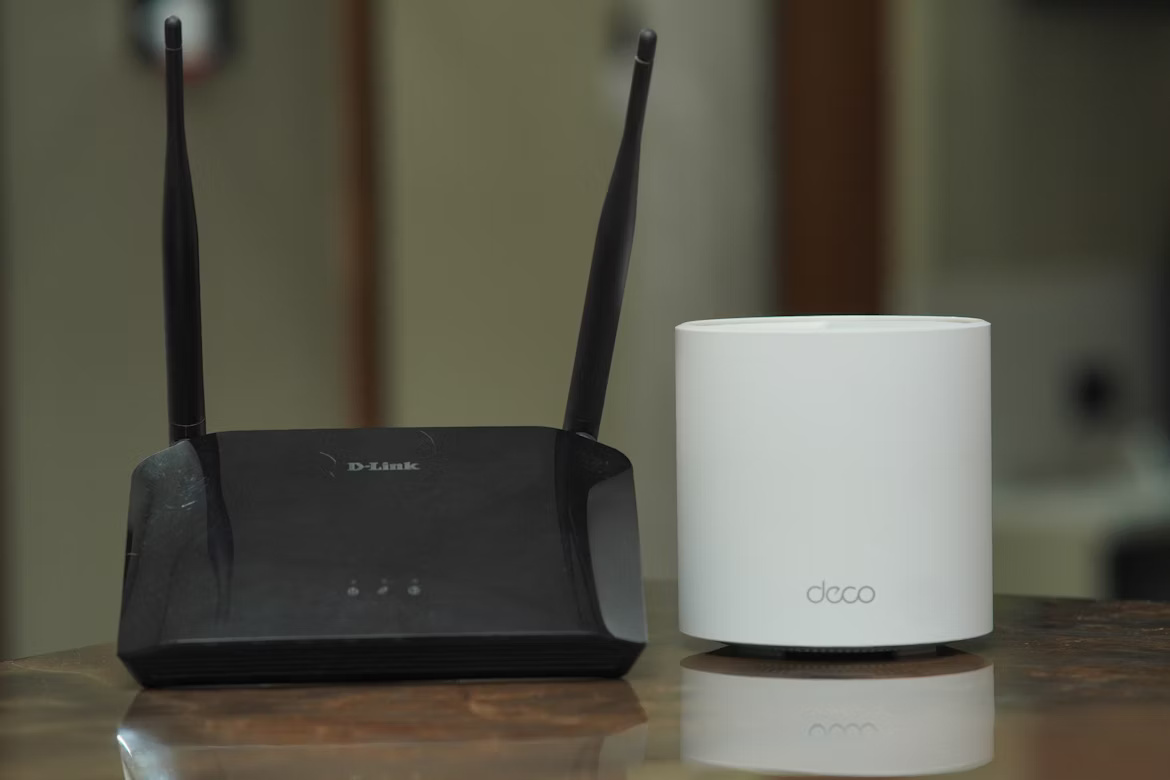
In enterprise networking, building a secure and efficient network often involves using both VLANs and routers. VLANs help segment a physical network into multiple logical ones, while routers are used to connect these different networks together.
However, the confusion often arises when comparing VLAN trunking with a router's function. This guide clarifies their distinct roles, explaining how they work to manage traffic and help you decide which is appropriate for your network design.
What is VLAN Trunking?
VLAN trunking is a method that allows network traffic from multiple VLANs to travel across a single physical link, typically between switches. Think of it as a multi-lane highway for your network data, where each lane is reserved for a specific VLAN, keeping traffic organized and separate.
This process is managed by configuring a "trunk port" on a switch. Here’s a simple breakdown of how it works:
- When a data frame from a VLAN leaves a switch via a trunk port, a special "tag" is added to it.
- This tag, most commonly using the IEEE 802.1Q protocol, acts as an identifier, marking which VLAN the frame belongs to.
- The receiving switch reads this tag and directs the frame only to the ports that are members of that specific VLAN.
- This ensures that even though they share one cable, traffic from different VLANs remains isolated and secure.
What is a Router?
A router is a networking device that operates at the network layer (Layer 3) to connect different networks. Its primary function is to forward data packets between these networks, such as connecting your local office network to the internet.
A router makes decisions based on IP addresses, determining the best path for data to travel from its source to its destination. Here are its core functions:
- Packet Forwarding: It inspects the destination IP address of each packet and uses a routing table to decide where to send it next.
- Inter-Network Communication: It enables devices on different networks or VLANs to communicate with one another, acting as a central traffic director.
- Network Address Translation (NAT): It often translates private IP addresses used within a local network into a single public IP address for internet access.
- Security Gateway: Most routers provide firewall capabilities, filtering traffic to protect the internal network from external threats.
VLAN Trunking vs Router: Key Differences
While both are essential for managing network traffic, they operate in fundamentally different ways. Here’s a breakdown of the main distinctions to help clarify their roles.
1. Layer of Operation
VLAN trunking is a Layer 2 (Data Link Layer) function. It focuses on moving data frames efficiently between switches within a single local area network.
In contrast, a router operates at Layer 3 (Network Layer). It is designed to forward data packets between entirely different networks.
2. Core Function
The main purpose of trunking is to consolidate traffic from multiple VLANs over a single physical link, which improves network efficiency.
A router's primary job is to enable communication between these separate networks or VLANs, acting as a gateway for inter-VLAN traffic.
3. Scope of Communication
Trunking facilitates communication for devices within the same VLAN, even if they are connected to different physical switches.
Routers are required when devices in different VLANs need to communicate with each other, bridging the gap between these logically separate networks.
4. Addressing and Identification
VLAN trunking identifies traffic using 802.1Q tags added to data frames. This tag simply marks which VLAN the frame belongs to.
A router makes decisions based on IP addresses. It reads the destination IP address to determine the best path to a different network.
Benefits of VLAN Trunking
Implementing VLAN trunking offers several practical advantages for managing a growing network infrastructure, primarily centered on efficiency and cost savings.
- Reduced Infrastructure Costs: By allowing traffic from multiple VLANs to travel over a single physical connection, trunking minimizes the need for extensive cabling and frees up switch ports. This directly translates to lower hardware and installation expenses.
- Efficient Use of Bandwidth: It allows you to make the most of high-speed uplink ports. Instead of dedicating separate, potentially underused links for each VLAN, you can aggregate traffic onto one link, ensuring bandwidth is shared effectively.
- Simplified Network Administration: Adding, moving, or changing VLANs becomes a matter of software configuration rather than physical rewiring. This makes network management more agile and less prone to error.
- Greater Scalability: As your organization grows, trunking makes it simple to extend VLANs across new switches and throughout your building or campus without requiring a major overhaul of your physical network layout.
Advantages of Using Routers
While trunking excels at efficiency within a network, routers provide critical control and connectivity between networks. Their advantages are centered on intelligent traffic management and security.
- Inter-VLAN Communication: Routers are the key to allowing devices in different VLANs to communicate. They act as the traffic director, forwarding data between logically separated network segments based on defined rules.
- Advanced Security Control: Routers operate at a layer where they can inspect IP addresses and enforce access control lists (ACLs). This allows you to create granular security policies, specifying exactly which users or devices can access certain network resources.
- Intelligent Path Selection: A router analyzes network paths to determine the most efficient route for data. This prevents bottlenecks and improves performance, especially in complex networks with multiple possible routes.
- WAN Connectivity: Perhaps their most fundamental role, routers connect your entire local network to external networks, including the internet or other corporate sites. This is a function that VLANs and switches cannot perform on their own.
When to Use VLAN Trunking or a Router
Deciding between them comes down to what you’re trying to accomplish. Here are the most common scenarios for each.
1. Use VLAN Trunking for Network Consolidation
You should use VLAN trunking when you need to pass traffic from multiple VLANs between two switches over a single connection. This is a common scenario when connecting an access switch on one floor to a core switch in a server room.
It keeps your physical infrastructure clean and makes efficient use of high-speed ports, avoiding the need for a separate cable for each VLAN. This is purely for consolidating traffic within your local network.
2. Use a Router for Inter-VLAN Communication and Security
A router becomes necessary when devices on different VLANs need to communicate. For instance, if a user on the 'Finance' VLAN needs to access a server on the 'Engineering' VLAN, a router must direct that traffic between them.
It also enforces security policies between these segments using access control lists (ACLs) and serves as the essential gateway to external networks, including the internet. Without a router, your VLANs would remain isolated from one another.
Final Thoughts on VLAN Trunking and Routers
Ultimately, the comparison between VLAN trunking and routers isn't about choosing one over the other. They are complementary technologies that perform distinct, essential jobs in a modern network.
VLAN trunking efficiently manages traffic from multiple VLANs across a single link between switches, operating at Layer 2. This keeps your local network organized and reduces cabling complexity.
A router, on the other hand, functions at Layer 3 to connect these separate VLANs, allowing them to communicate with each other and with external networks like the internet.
A robust network design almost always uses both. Trunking provides the efficient pathways within your LAN, while routers supply the intelligent routing, security policies, and WAN connectivity needed for a complete solution.
By understanding these separate functions, IT leaders can build a network that is not only scalable and secure but also easier to manage as business needs grow.
Need Help Managing Your Network? Lightyear Can Help
Optimizing your network with VLANs and routers is critical, but managing the services that run on them doesn't have to be complex. By automating network service procurement, inventory management, and bill consolidation, Lightyear helps enterprises achieve 70%+ time savings and 20%+ cost savings.
Schedule a demo or get started with our questionnaire today.
Frequently Asked Questions about VLAN Trunking vs Router
Can a Layer 3 switch do a router's job for VLANs?
Yes, for internal traffic, a Layer 3 switch is often used for inter-VLAN routing. It combines switching and routing functions for high-speed performance. However, a dedicated router is still typically required for more advanced security features, WAN connectivity, and connecting your network to the internet.
Does VLAN trunking add latency to the network?
The process of adding and removing VLAN tags introduces a tiny amount of latency, but it is generally negligible. Modern network switches are built to perform this function in their hardware, so the impact on overall network performance is not a practical concern for most business applications.
What is a "router on a stick" configuration?
This is a cost-effective setup where a single physical router interface connects to a switch's trunk port to route traffic for multiple VLANs. The router handles all communication between the different VLANs, avoiding the need for a separate physical router port for each one.
Let us show you the product and discuss specifics on how it might be helpful.
Schedule a Demo





Revolutionize Your Telecom Experience
Learn how you can get one step closer to optimal business efficiency for all your telecom services.