VPN on Router vs Device: Enterprise Considerations
VPN on router vs. device? Get a clear breakdown of the differences in cost, security, and control to protect your company's network.

For any business with remote or hybrid employees, a Virtual Private Network (VPN) is a fundamental tool for securing company data. A key decision for IT teams is where to deploy this security layer: directly on each employee's device or centrally on the office router.
This choice affects everything from network administration and security policy enforcement to the daily experience of your employees. This article will compare both approaches to help you determine the right fit for your organization's needs.
What is a VPN on a Router?
A VPN on a router involves installing VPN software directly onto your office's main network router. This approach creates a single, secure gateway for all internet traffic passing through that network.
Instead of managing individual VPN connections on every computer or phone, the router itself establishes and maintains the connection to a VPN server. Consequently, any device that connects to the router's Wi-Fi or wired network has its traffic automatically encrypted and routed through the VPN.
- Centralized Protection: It extends VPN security to every device on the network. This includes devices that don't natively support VPN software, such as printers, smart TVs, or various IoT sensors.
- Always-On Security: The VPN connection is active 24/7. As long as the router is powered on, the network is protected, which removes the need for employees to remember to connect manually.
- Simplified Management: You configure the VPN once on the router, and all connected devices are covered under that single configuration. This simplifies administration, as you don't need to install, update, or monitor software on each individual endpoint.
What is a VPN on a Device?
A VPN on a device involves installing a standalone VPN application onto each endpoint, such as a laptop, smartphone, or tablet. This approach creates a secure, encrypted connection directly from that specific device to the VPN server, protecting its data regardless of which network it joins.
- Individual Device Protection: Security is tied directly to the device, not the network location. This is essential for protecting employees who work remotely or travel frequently, as their connection remains secure on public Wi-Fi at airports, hotels, or coffee shops.
- User-Controlled Connection: The employee typically manages the VPN through the software application. They are responsible for turning the connection on when accessing company resources and can turn it off for personal use, giving them direct control.
- Granular Access Policies: This model allows IT teams to set specific security rules and access permissions on a per-user or per-device basis. This offers more detailed control over who can access sensitive parts of the corporate network.
VPN on Router vs Device: Key Differences
When you get down to the details, the main differences between these two setups come down to how they are managed, where they provide protection, and the level of control given to users.
1. Scope of Coverage
A router-based VPN casts a wide, stationary net of security. It protects every device connected to that specific network, which is ideal for a central office where you need to cover equipment like printers, servers, and IoT devices automatically.
In contrast, a device-based VPN provides focused protection for the device itself, regardless of its location. The security travels with the employee, making it essential for securing connections on any external network, from public Wi-Fi to a home office setup.
2. Scalability and Administration
Setting up a VPN on a router can be technically involved, often requiring specific hardware and firmware configurations. Once it's running, however, scaling is simple. New devices are protected as soon as they join the network, with no extra steps needed.
Deploying a VPN on devices requires installing and managing software on every single endpoint. For a large workforce, this becomes a significant administrative task unless your organization uses a Mobile Device Management (MDM) platform to automate rollouts and updates.
3. User Flexibility and Control
A router VPN is a fixed, "always-on" solution. Users on the network generally cannot turn it off, switch server locations, or modify the connection. All control lies with the network administrator, ensuring consistent policy enforcement.
A device VPN gives control directly to the end-user. They can activate the VPN for work tasks and deactivate it for personal browsing, offering a clear separation. This also allows them to select different VPN servers if their role requires it, providing greater operational freedom.
Security Considerations for VPN on Router vs Device
From a security standpoint, the choice between a router or device-based VPN introduces different risk profiles that IT teams must weigh carefully.
- Router as a Single Point of Failure: With a router VPN, the router itself becomes a critical security asset. If it is compromised through outdated firmware or a weak password, the security of the entire network is at risk.
- Endpoint Device Health: A device-based VPN secures the data tunnel but offers no protection for the endpoint itself. If a laptop is infected with malware, it can still access and potentially harm network resources once the secure connection is established.
- Inconsistent User Application: The security of a device-based VPN depends on user diligence. An employee forgetting to activate the VPN on public Wi-Fi can expose sensitive data, a risk that is eliminated with an always-on router configuration.
- Split Tunneling Vulnerabilities: Device VPNs often allow split tunneling, where some traffic goes through the VPN and other traffic does not. If not managed carefully with strict policies, this can create security gaps that attackers could exploit.
Performance Impact: VPN on Router vs Device
Both VPN setups introduce an encryption overhead that can affect network speed, but where that impact is felt differs significantly. The performance of your connection will depend on hardware processing power and how traffic is managed.
- Router VPN Performance: The router's processor handles all encryption and decryption. A powerful, enterprise-grade router can manage this for many devices without a noticeable slowdown. However, a standard or underpowered router can become a bottleneck, reducing internet speeds for every connected device.
- Device VPN Performance: The performance impact is distributed, with each device's CPU handling the encryption. This prevents a single piece of hardware from slowing down the entire network. While it uses resources on the endpoint, the effect is typically minimal on modern computers and smartphones.
- Connection Latency: A router VPN funnels all traffic through one connection, which can become congested. Device-based VPNs often allow users to select different servers, giving them the option to find a faster, less crowded connection path if needed.
Cost Implications: VPN on Router vs Device
The financial models for router and device-based VPNs are quite different. Your choice will determine whether you face a larger upfront investment or a recurring operational cost that scales with your workforce.
- Router VPN Costs: This approach often involves a significant one-time capital expenditure. You'll need to purchase a business-grade router with a processor powerful enough to handle encryption for the entire network without causing slowdowns. Some VPN services may also charge a separate, higher-tier license for router compatibility.
- Device VPN Costs: This model is almost always a recurring operational expense. Providers typically charge on a per-user, per-month subscription basis. While this avoids a large initial outlay, the total cost grows directly with the size of your team and can become substantial for a large enterprise.
- Scalability and Licensing: With a router VPN, adding a new employee to the office network generally incurs no extra VPN cost. For device VPNs, every new employee requires a new paid license, making it a scalable but continuously growing expense.
Making the Right Choice for Your Enterprise
Choosing between a router or device-based VPN depends entirely on your company's operational structure and security priorities. The right solution aligns with how and where your team works.
A router-based VPN is an excellent solution for securing a single, physical office location. It provides comprehensive, always-on protection for every device on your network, from computers to IoT sensors, with minimal ongoing management.
In contrast, a device-based VPN is built for a distributed workforce. It secures employee connections wherever they work, offering the flexibility and granular control needed to protect data on public Wi-Fi and home networks.
Many enterprises find that a hybrid approach offers the most robust security posture. This involves using a router VPN for the main office while deploying device-based VPNs for remote employees, ensuring all assets are protected regardless of location.
Need Help Managing Your Network? Lightyear Can Help
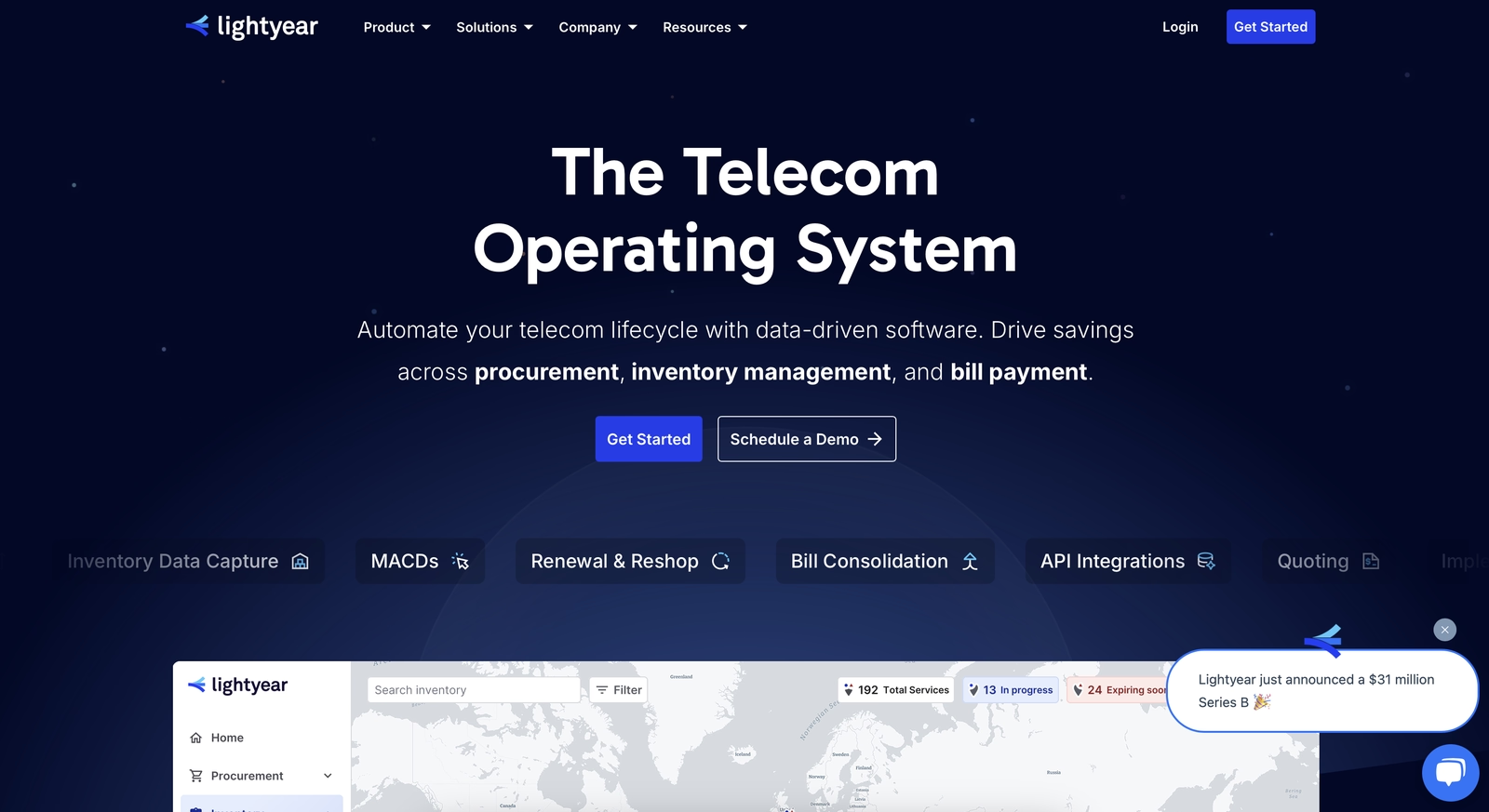
Whether you're deploying VPN-capable routers or managing connectivity for remote devices, the underlying telecom infrastructure can be complex. By automating network service procurement, inventory management, and bill consolidation, Lightyear takes the pain out of managing it all. Enterprises who trust Lightyear achieve 70%+ time savings and 20%+ cost savings on their network services.
Schedule a demo or get started with our questionnaire today.
Frequently Asked Questions about VPN on Router vs Device
Can a router VPN also cover a guest network?
Yes, if your router supports it. Many business-grade routers let you apply VPN protection to your main network while leaving the guest network with a direct internet connection. This is ideal for keeping guest traffic separate and maintaining network security.
Can you use a device VPN while connected to a router VPN?
Yes, this is called VPN chaining. While it adds another layer of encryption, it can significantly slow your connection speed. It's generally unnecessary and only used in situations requiring extreme security, as it introduces complexity and performance issues.
What about a kill switch? Is it available for both?
Most device VPN apps include a built-in kill switch that cuts internet access if the VPN connection drops. For router VPNs, this feature is less common and depends entirely on the router's firmware, making it a key advantage for device-based security.
Let us show you the product and discuss specifics on how it might be helpful.
Schedule a Demo





Revolutionize Your Telecom Experience
Learn how you can get one step closer to optimal business efficiency for all your telecom services.